EU aims to reduce dependence on critical metals from third countries, with recycling set to help
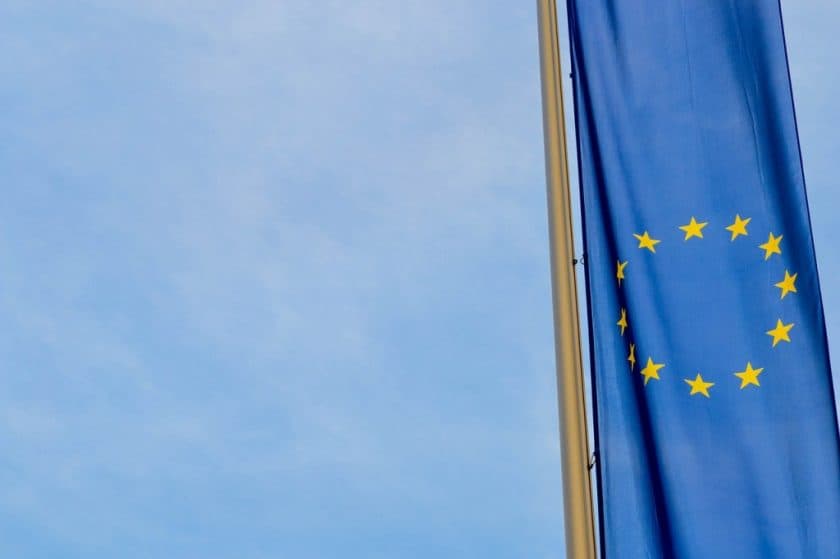
EU government and European Parliament negotiators have reached an agreement on targets for domestic supplies of critical raw materials such as lithium and nickel. This should reduce dependence on third countries, particularly China.
The agreement concerns the Commission’s proposed legislation on critical raw materials, which is central to the EU’s plans to reduce the bloc’s dependence on China and other countries for key metals such as rare earths, which are needed to manufacture products in the field of “clean” technologies.
Under the proposal, by 2030 the European Union was to mine 10%, recycle 15% and process 40% of its annual needs for 16 “strategic raw materials”.
Focus on recycling
A Eurometaux study concluded that demand for lithium in Europe will increase 35-fold by 2050 to meet climate targets, while demand for rare metals will rise 26-fold. Demand for copper and nickel will also increase, by 35% and 100%, respectively, compared with current levels. However, recycling could meet up to 75% of demand.
Negotiators were stricter on recycling than the original proposal, Euractiv reports. The EU will aim to recycle at least 25% of its annual consumption of strategic raw materials by 2030, up from 15% in the Commission’s original proposal.
The recycling target will be based on materials recovered from consumer waste, rather than the EU’s annual consumption. This change in calculation methodology will be explained by the European Commission in an implementing act due to be adopted in 2027. Meeting the target will not be a legally binding obligation for EU countries.
Negotiators also agreed to add aluminium and synthetic graphite to the list of strategic raw materials. Natural graphite was already on the list.
“The agreement is an industrial policy blueprint for secure and sustainable supplies of raw materials in Europe,” said Nicola Beer, a German liberal MEP and the European Parliament’s lead rapporteur on the file.
Reducing dependence
The European Parliament and the Council of the EU, the institution representing EU member states, had to agree on a common text. They did so on Monday, paving the way for the law to enter into force at the beginning of 2024.
The law aims to ensure that no third country supplies more than 65% of any strategic raw material. The list also includes cobalt, copper, magnesium and titanium.
The legislation also sets time limits for granting permits for strategic mining, recycling and processing projects. It requires large companies that need strategic materials for key technologies to regularly assess the risks to their supply chains. It also contains provisions aimed at limiting consumption.
“Through targeted economic incentives, we are creating planning certainty for projects for private investors—with one-stop shops for companies and fast, simple permitting procedures with clear deadlines for national authorities. This will support mining, processing and recycling in Europe,” the statement reads.
The political agreement must now be formally approved by both Parliament and the Council before it can become law, a process that usually amounts to a rubber stamp. The agreement will be put to a vote in the Committee on Industry, Research and Energy (ITRE) on 7 December 2023.
Translation disclaimer
This article is a machine translation of the Czech original and has not yet been fully reviewed. In case of any doubt, please refer to the Czech version.




