23 October 2026, 14:38
Loading...
Diplomats: Czechia and Germany push to end Russian energy imports to the EU

Eduard Majling
29 May 2024, 14:01
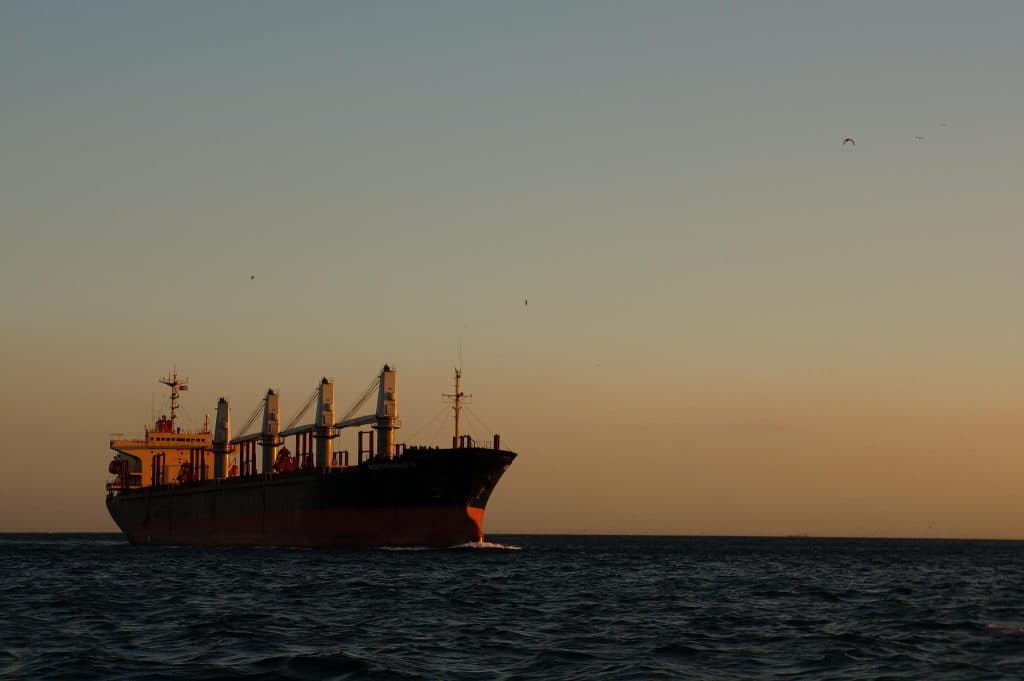
Czechia, together with Germany, is pressuring the EU to end the remaining imports of Russian energy commodities. According to Reuters sources, the countries want to ask the EU to begin regular discussions among member states on how to end the imports. So far, the EU has banned or significantly restricted imports of coal, oil and petroleum products. Sanctions have not yet targeted imports of natural gas or nuclear fuel.
Imports of energy commodities from Russia to the EU have declined significantly over the past three years. While sanctions restricted imports of coal, biomass and oil, Russia itself halted natural gas supplies to a large number of customers. The halt in supplies through the Nord Stream pipeline and its subsequent sabotage hit Germany and Czechia particularly hard.
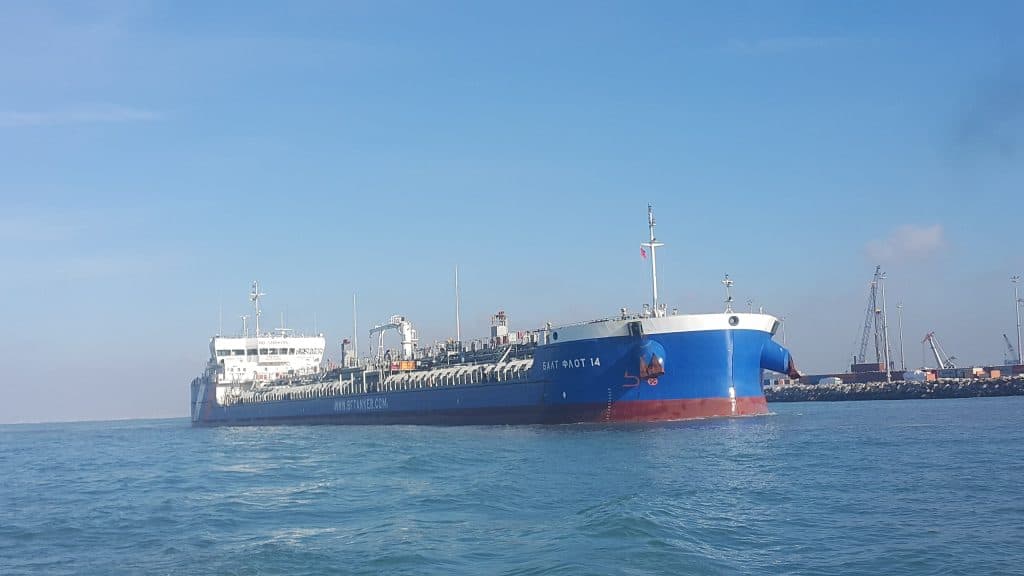
Part of the shortfall in pipeline supplies was replaced by increased imports of Russian liquefied natural gas (LNG), although this represents only a fraction of the missing volume. According to diplomats contacted by Reuters, Germany and Czechia are expected to raise the request for talks during the meeting of energy ministers this Thursday.
According to documents seen by the agency, EU ministers are due to discuss on Thursday the obstacles faced by countries that complicate the complete end to imports of energy commodities from Russia. Representatives of Hungary and Austria, countries that remain heavily dependent on Russian gas supplies, will also attend the meeting.
Parallel discussions have for some time been under way on options for restricting transshipments of Russian LNG at European ports. However, a complete ban on imports of Russian LNG is not yet on the agenda. The EU has also recently allowed member states to block Russian companies from using local gas infrastructure. In the case of LNG imports, however, the ban would have to be EU-wide, otherwise there would be a risk of supplies being redirected to other EU countries.
Translation disclaimer
This article is a machine translation of the Czech original and has not yet been fully reviewed. In case of any doubt, please refer to the Czech version.
Sdílejte článek prostřednictvím:
You might also like

23 October 2026, 11:01
23 October 2026, 06:34