
23 October 2026, 14:38
Loading...
Draghi's report: how to lower energy prices and strengthen EU competitiveness
Veronika Jurcová
17 September 2024, 09:19

Mario Draghi, former president of the European Central Bank, presented a report on Monday, 9 September, setting out a vision for the future of European competitiveness at the request of the European Commission. From the perspective of climate and energy policy, it is a key analysis of the impact of energy prices on competitiveness, the ability to meet climate targets and Europe's ability to maintain its global standing.
The report on the future of European competitiveness focuses on the impact of climate and energy policy on the EU and analyses individual sectors. It sets out a plan for decarbonisation, strengthening security, reducing dependence and closing the innovation gap.
Against the backdrop of global challenges such as economic change, technological development, the climate crisis and geopolitical shifts, Mario Draghi presents a strategy for ensuring that the EU remains competitive in the world. The report identifies three main transformation challenges: accelerating innovation, lowering energy prices and managing geopolitical instability.
Energy is a key factor in European competitiveness. Energy costs and decarbonisation play a crucial role in the competitiveness of European industries, while energy prices in the EU are significantly higher than in China or the US, reducing its ability to compete.
Draghi points out in the report that the cost of carbon increases expenses in energy-intensive sectors, which need significant investment in decarbonisation. The EU, however, still lacks a clear business model for these investments.
So-called “green” technologies have high upfront and operating costs, particularly because of expensive energy and fuels such as clean hydrogen, and their technological development is not always sufficiently advanced. Energy-intensive industries, with technologies that have long lifespans (30–40 years), need stable policies and regulations to mitigate investment risks.
The report also highlights significantly weaker financial support in the EU compared with the US Inflation Reduction Act (IRA) and China, which provide significant grants, tax breaks and subsidies to key sectors. The EU also faces more complex regulation than other regions.
Recommendations for lowering energy prices and decarbonisation
Draghi puts forward several specific proposals intended to reduce the final price of energy for consumers while enabling decarbonisation, which is being held back by high prices.
To address high gas prices, he proposes a gradual shift away from spot markets, increasing the EU's bargaining power, strengthening long-term contracts and expanding joint purchasing.
He also recommends developing strategic import infrastructure and improving coordination of storage across Europe. At the same time, speculative behaviour should be curbed through financial limits and trading rules in the EU.
The long-term goal is to decarbonise industry using hydrogen and renewable gases, ensure that gas prices better reflect purchasing conditions, and make it easier for industry to access competitive energy sources.
For electricity, he proposes using long-term power purchase agreements (PPAs) and support in the form of Contracts for Difference (CFDs). The aim is to simplify administrative and permitting processes and accelerate the development of renewable energy, modernise grids and invest in their expansion to prevent bottlenecks as the economy is electrified.
The prices of renewable and nuclear energy should be decoupled from those of fossil fuels through long-term contracts, while self-generation by energy-intensive users and the use of PPAs by industrial consumers should be supported. The emphasis is on system integration, storage and demand flexibility, maintaining nuclear power and developing new nuclear capacity. It is also important to support carbon capture, utilisation and storage (CCUS) technologies and ensure that industry has access to competitive energy sources in the EU.
Funding for decarbonisation should be increased by using ETS revenues. Subsidy allocation needs to be harmonised and common instruments introduced across the EU. He also proposes improving the mechanism and operation of the so-called carbon border adjustment mechanism (CBAM), and potentially postponing the reduction of free ETS allowances, which will also be crucial for industry.

Source:
Thomas Millot / Unsplash
Demand for environmentally friendly products can be supported by introducing standardised low-carbon criteria for public procurement. The EU should also improve the recycling of raw materials, support the circular economy and ensure effective trade agreements.
Rapid implementation of the Net-Zero Industry Act (NZIA) is crucial for the development of clean technologies. Quotas for sustainable products manufactured in the EU should be set for public procurement and funding. Access to European funds needs to be made easier, funding increased and operating costs supported. The focus is on attracting private capital and growth financing. Clean technologies should be a priority in EU research and innovation, with new programmes to boost competitiveness. Raw material sources need to be diversified, intellectual property protected, workforce qualifications harmonised and cooperation between the EU, industry and research centres strengthened.
According to the report, the EU should improve coordination between energy, climate and trade policies and ensure competitive supplies of natural gas, low-carbon electricity and clean hydrogen during the transition period.
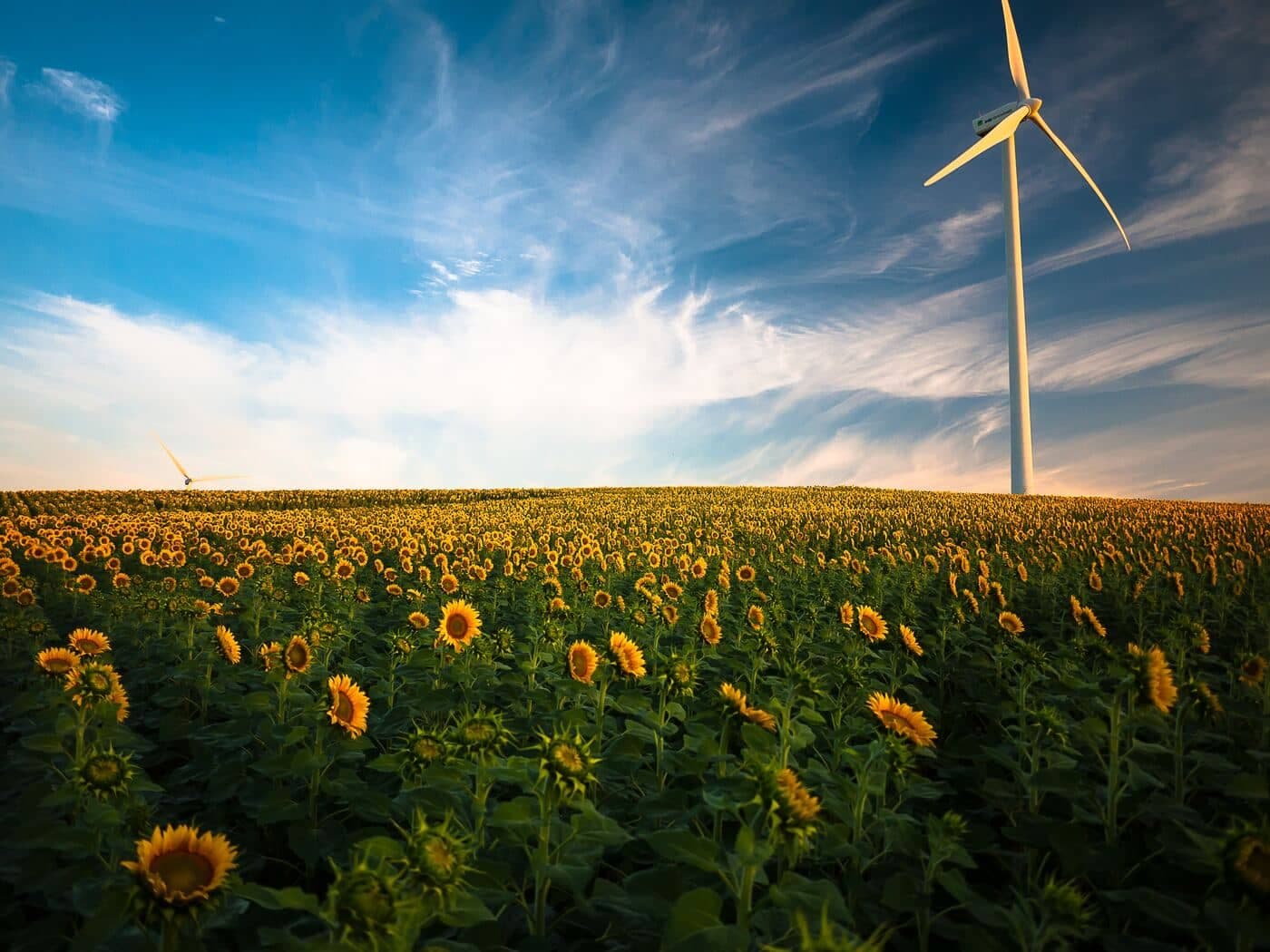
Wind power plant Source: Unsplash
Draghi also stresses the need to simplify permitting processes, reduce bureaucracy and regulatory burdens, and develop financial solutions for energy-intensive sectors, including improving financing conditions. Excessive bureaucracy and administrative burdens are often criticised in the EU's 27 member states.
Simpler regulation and coordinated efforts
Overall, the report calls for greater integration and coordination, higher investment and a reduction in administrative and regulatory burdens. The EU must lower high energy prices, strengthen its independence and invest in new technologies that will enable the transition to a green economy. Key elements include simplifying regulations, making better use of financial instruments, strengthening cooperation between industry and research, and creating a stable environment for investment. Europe must act in a coordinated and swift manner to secure a leading position in the global market and strengthen its resilience to future challenges.
The report is not binding, but it provides a fairly comprehensive analysis of the problems facing the EU, identifies many interconnected issues and proposes specific measures. European Commission President Ursula von der Leyen, who has returned to the role, said in her plans for the Commission's current 2024–2029 term that she would draw on the Draghi report when proposing a new plan for Europe's sustainable prosperity and competitiveness. It may also inform the announced Clean Industrial Deal.
Translation disclaimer
This article is a machine translation of the Czech original and has not yet been fully reviewed. In case of any doubt, please refer to the Czech version.
Sdílejte článek prostřednictvím:
You might also like


23 October 2026, 11:01


23 October 2026, 06:34