23 October 2026, 11:01
Loading...
European energy independence: How to break free from Russian energy supplies

Jakub Malý
13 May 2025, 15:12
The European Commission presented a roadmap in early May with statistics on imports of Russian energy commodities and a list of steps to end this dependence on imports. Legislative proposals are expected to follow the roadmap in June.
The first important step in ending reliance on Russian gas is to improve transparency and data reporting, as EU countries currently differ in how they report the origin of gas. The European Commission plans to put forward a new legislative proposal requiring companies to provide detailed information on the volumes and duration of Russian contracts not only to national energy regulators but also to the Commission itself.
The aim is to create a database that will enable targeted and coordinated measures. These could, for example, require companies to provide the relevant authorities in member states and the Commission with information on contracts for Russian gas supplies, such as volumes or contract duration.
Another element of the proposed strategy is for each member state to draw up national plans to phase out Russian gas imports by the end of 2025. These plans should include not only information on volumes covered by supply contracts (including take-or-pay clauses), but also a realistic timetable with milestones, diversification scenarios and technical options for replacing supplies.
Perhaps the most ambitious part of the plan is its third element: a legislative proposal to legally ban imports of Russian gas. The ban is to be introduced in two stages:
By the end of 2025, all gas imports under new contracts and spot contracts (i.e. short-term purchases without a long-term commitment) are to be banned.
By the end of 2027, imports under existing long-term contracts are also to be phased out.
Spot supplies make up a smaller share of imports and can be replaced relatively quickly if they are cut off. Long-term contracts, by contrast, often cover larger volumes, involve legal obligations and require carefully planned replacement supplies.
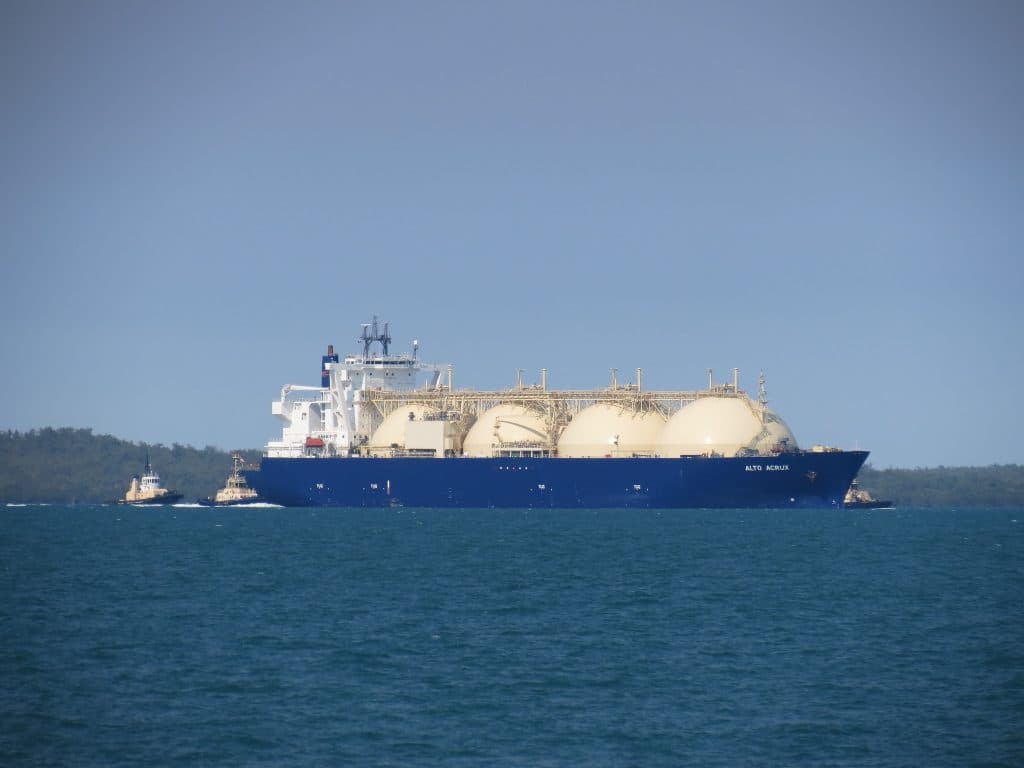
The Commission also stresses that, given the expected growth in global LNG capacity—by more than 200 billion m³ by 2028—the global market is well placed to absorb the EU's shift away from Russian gas without triggering price shocks. EU LNG terminals currently have capacity of approximately 250 billion m³, more than double current LNG imports.
The final measure planned by the EU is to expand the AggregateEU mechanism, which enables joint gas purchasing and helps secure better prices and terms. The Commission therefore plans to continue developing the platform and is also considering extending it to biomethane or hydrogen. Infrastructure is also set to be strengthened, whether through interconnections within the EU or the use of gas pipelines from the Black Sea region (e.g. the Trans-Balkan pipeline) and projects such as Neptun Deep in Romania.
Nuclear materials and technology pose a challenge
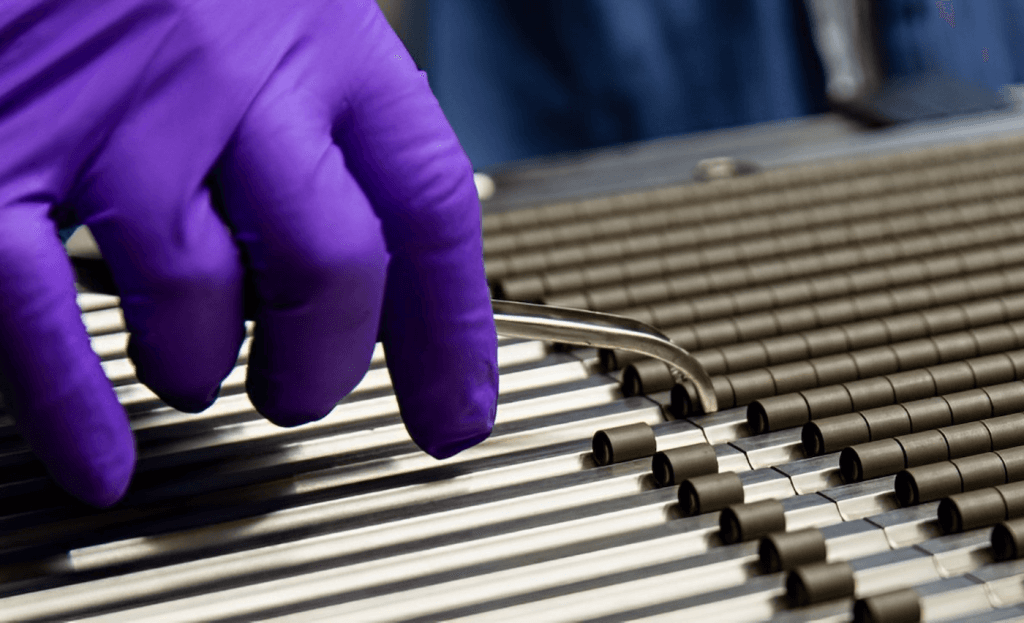
Dependence on Russia in the nuclear energy sector is particularly sensitive—it concerns not only fuel for VVER-type reactors in five member states (Bulgaria, Czechia, Finland, Hungary and Slovakia), but also other uranium-related services, spare parts for existing plants and medical isotopes. The Commission proposes gradually banning new contracts and restricting existing contracts concluded through the Euratom agency. It also calls on member states to draw up national diversification plans by the end of 2025. The Commission is also preparing the European Radioisotopes Valley initiative, which aims to increase European radioisotope production and reduce dependence in nuclear medicine.
Insufficient uranium conversion and enrichment capacity in the Western world will remain a challenge. The first new facilities in the EU are not expected before 2027, and some will not come online until after 2030. This means the transition will be a long one and could be disrupted by unexpected supply interruptions or price fluctuations. On the positive side, most countries have built up fuel stocks for several years, and tests of alternative fuel (e.g. from Westinghouse or Framatome) are already underway.
The European Commission plans to present a legislative proposal as soon as next month setting specific targets for member states to reduce their dependence on the Russian nuclear sector. The proposal will include the following specific measures:
- Replacing Russian nuclear fuel: Member states will be urged to speed up the signing of contracts with alternative suppliers and the licensing of their fuel, with an emphasis also on developing fully European solutions for fuel cells.
- Gradually ending dependence on Russia for uranium: The proposal envisages gradually restricting imports of Russian natural and enriched uranium, as well as other nuclear materials, with the aim of diversifying the supply chain.
- Greater transparency and support for service diversification: The Commission will seek greater visibility into dependence on Russian spare parts and maintenance services, while supporting a shift to other reliable providers.

Illustrative image, Source: TVEL
Efforts to end dependence on oil are making more progress
Unlike with gas, the EU has made significant progress in reducing imports of Russian oil, from 27 % in 2022 to 3 % in 2024. This result follows sanctions on seaborne imports of crude oil and petroleum products. However, some member states, particularly Hungary and Slovakia, continue to import Russian oil via the Druzhba pipeline and are exempt from the sanctions regime. The situation has changed significantly for Czechia thanks to the completion of the TAL-PLUS project, which has enabled it to fully replace Russian oil with supplies from alternative sources since April 2025.
The European Commission is now calling on these dependent countries to prepare national plans by the end of 2025 to completely end Russian oil imports by 2027. Infrastructure, particularly the Adria pipeline, should make these plans technically feasible.
The member states concerned will have to draw up and submit to the European Commission national plans setting out their strategy for replacing Russian oil imports by the end of 2027. These plans will have to include:
A timetable with milestones and specific measures leading to a complete end to Russian oil imports;
Diversification options and technical capacity available to the country to replace these supplies;
The volume of Russian oil imported under existing contracts and information on when those contracts expire.
However, the so-called “shadow fleet”—a fleet of unidentified tankers used by Russia to evade sanctions—remains a worrying phenomenon. The EU plans to strengthen maritime surveillance, including the possibility of a joint naval mission, which would set a certain precedent in protecting the EU's energy interests.
Translation disclaimer
This article is a machine translation of the Czech original and has not yet been fully reviewed. In case of any doubt, please refer to the Czech version.
Sdílejte článek prostřednictvím:
You might also like


23 October 2026, 06:34