Gascade and HH2E sign agreement to connect Lubmin hydrogen plant to EUGAL pipeline
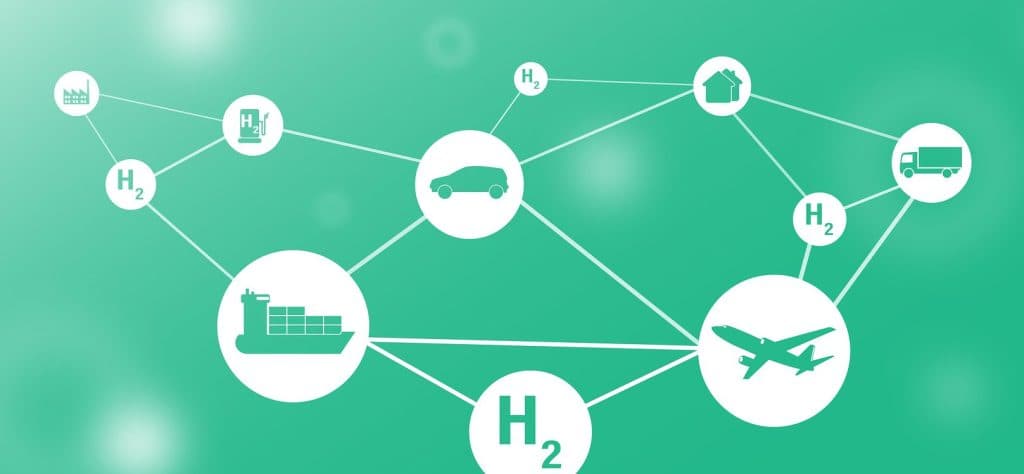
German gas transmission system operator Gascade and HH2E have signed an agreement to connect HH2E’s planned renewable hydrogen production plant in Lubmin to the European gas interconnector EUGAL (lines 1 and 2). Gascade announced the news in a press release on 10 January.
The agreement represents a key step in Germany’s strategy for developing green hydrogen. HH2E plans to start producing green hydrogen at the Lubmin plant by the end of 2025. In the initial phase, the pipeline will be used to transport a mixture of hydrogen and natural gas. The possibility of blending green hydrogen into the existing gas pipeline network is a key element in efforts to replace natural gas and support a more sustainable energy future.
Blending green hydrogen into natural gas offers several benefits. First, it reduces the fuel’s carbon footprint, as green hydrogen is produced using energy from renewable sources. Existing infrastructure for transporting natural gas can also be used, making it a cost-effective strategy for transitioning to cleaner energy use.
It also enhances energy security by diversifying fuel supplies and reducing dependence on fossil fuels. In addition, it supports the development and expansion of green hydrogen production technologies, which could be used more widely across various sectors. Blending green hydrogen into natural gas is therefore a practical step towards reducing the energy sector’s environmental impact.
“Blending hydrogen is an important intermediate step for us on the way to transporting pure hydrogen. By converting existing natural gas pipelines to transport hydrogen, we are actively driving forward the transformation of the energy sector. With the Flow - making hydrogen happen project, we will create substantial transport capacity and a central backbone for hydrogen transport in Germany by 2025,” says GASCADE CEO Ulrich Benterbusch.
The EUGAL pipeline, around 480 kilometres long, runs from the town of Lubmin on the Baltic Sea coast to Deutschneudorf on the German-Czech border and is further connected to the Czech gas transmission network. The conversion of the EUGAL pipeline, which was originally intended to transport gas from the Nord Stream pipelines, is part of the FLOW - making hydrogen happen project.
This large-scale onshore pipeline system is part of the proposed German hydrogen backbone network and has been confirmed by the European Commission as a Project of Common Interest (PCI).

The FLOW project includes:
- 1100 kilometres of pipeline,
- conversion of gas pipelines, which is due to start as early as 2025,
- connections to other major projects in the country, such as MosaHYc and HyPipe Bavaria,
- planned cross-border exchanges, with expansion into Austria, Switzerland, France, the Czech Republic, Poland and Denmark expected
HH2E hydrogen production plant
The HH2E renewable hydrogen production plant in Lubmin, on Germany’s Baltic Sea coast in the northeast of the country, is currently under construction and will use renewable electricity from offshore and onshore wind farms.
The Lubmin plant will begin producing green hydrogen in 2025. In the first phase, an alkaline electrolyser with an input capacity of 50 MW will be able to produce more than 6,000 tonnes of renewable hydrogen per year. By 2030, the electrolyser’s input capacity will increase to 500 MW, with annual hydrogen production reaching 60,000 tonnes. The design also includes battery storage, which will enable continuous production of renewable hydrogen even without a constant supply of renewable energy.
To develop the project, the company secured financing from British infrastructure fund Foresight, as the Czech Hydrogen Technology Platform reported in July. By 2030, HH2E aims to establish 4 GW of green hydrogen production capacity in Germany. In addition to the Lubmin plant, it plans to build another plant in Thierbach, south of Leipzig. A further 10 sites for green hydrogen production have also been identified in Germany, with a focus on the eastern region.
Translation disclaimer
This article is a machine translation of the Czech original and has not yet been fully reviewed. In case of any doubt, please refer to the Czech version.




