
23 October 2026, 14:38
Loading...
German solar reaches another milestone as installed capacity exceeds 100 GW

Eduard Majling
8 January 2025, 07:03
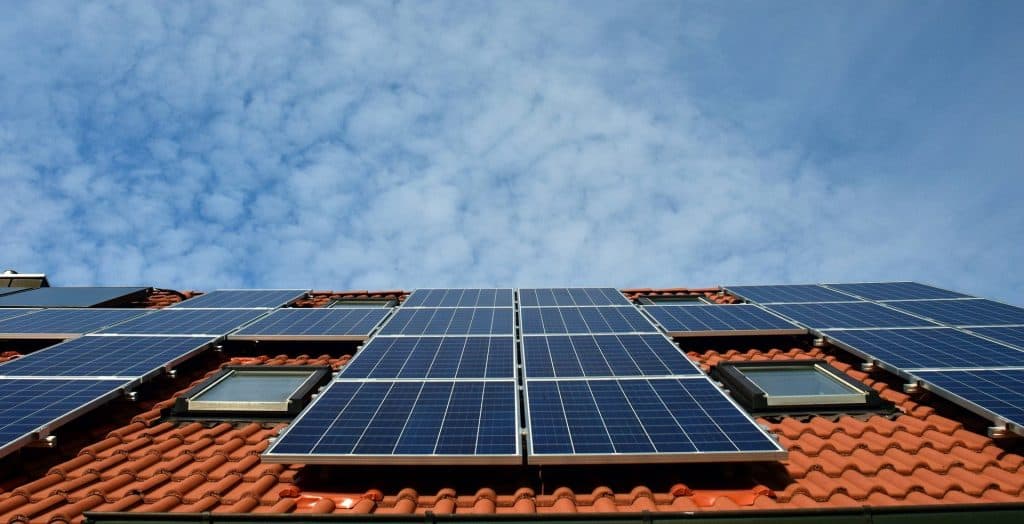
Installed photovoltaic capacity in Europe continued to grow last year, with neighbouring Germany no exception. It even reached a new milestone, as the country’s total installed photovoltaic capacity climbed to 100 GW. Ground-mounted solar parks saw the biggest growth, although rooftop installations continued to drive the overall increase in installed capacity. Germany thus installed a record volume of solar capacity last year. However, 2024 also set a record for the number of hours with zero or negative electricity prices.
Renewable energy development continues apace in Germany, particularly in solar and wind power, which are the backbone of the country’s Energiewende, or energy sector transition. Last year alone, according to the German Solar Industry Association (BSW), citing data from the German grid regulator, 17 GW of new solar capacity was added.
Residential rooftop photovoltaic systems accounted for the largest share of this growth, at 6.7 GW, although the sector saw a 15% year-on-year decline. Ground-mounted installations, by contrast, grew strongly, rising 40% to 6.3 GW. Newly installed capacity on the rooftops of commercial buildings also increased, up a quarter year on year to 3.6 GW. Several hundred more MW of capacity were added in balcony systems, whose total installed capacity doubled year on year to 0.7 GW.
“Reaching further milestones in the energy transition is not a foregone success. An attractive and reliable regulatory framework is essential to ensure a willingness to invest. This requires further political effort,”BSW’s executive director warned, according to S&P Global, referring to Germany’s target of reaching 215 GW of installed solar capacity by 2030. He also called on the next German government to “remove market barriers and ensure an attractive investment framework”.
Strong solar generation could slow further development
As installed photovoltaic capacity grows, zero or negative electricity prices are appearing increasingly often on European markets. A higher number of hours when electricity is effectively worthless on short-term markets could, however, complicate further photovoltaic development.
Negative prices reduce the returns on projects that do not have their sale prices secured through operating support or a PPA, potentially making financing more difficult given banks’ cautious approach.
Translation disclaimer
This article is a machine translation of the Czech original and has not yet been fully reviewed. In case of any doubt, please refer to the Czech version.
Sdílejte článek prostřednictvím:
You might also like


23 October 2026, 11:01


23 October 2026, 06:34