
23 October 2026, 14:38
Loading...
Rooftop solar in Germany could lose operating support. Government preparing new rules

Eduard Majling
11 March 2026, 10:39
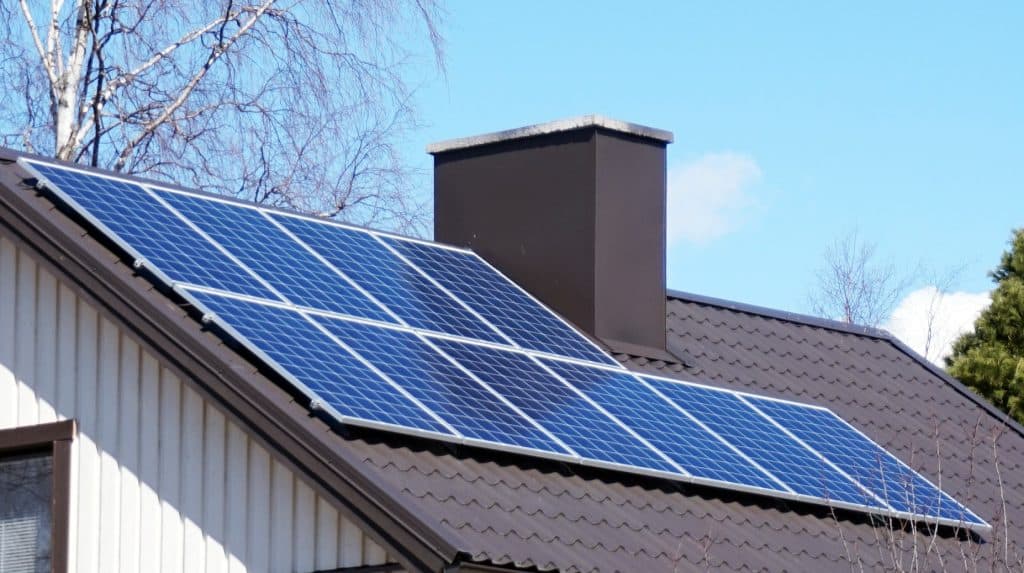
After several decades, Germany could end operating support for new small rooftop solar power plants. Households would lose their entitlement to feed-in tariffs, which have long been a key instrument for supporting new energy sources. According to the German Ministry for Economic Affairs, taxpayers are supporting profitable energy sources, but industry associations see the move as an attack on renewables.
Germany has long been known for actively developing renewable energy sources, particularly solar and wind power plants. At the turn of 2024 and 2025, the country reached the milestone of 100 GW of installed solar capacity, and this figure rose again last year.
The rapid growth of renewable energy capacity is helping the country gradually reduce its overall electricity generation from fossil fuels, but the trend also has a downside. In recent years, the occurrence of negative electricity prices on the day-ahead market has risen sharply, also negatively affecting the economics of solar parks, which are experiencing increasingly severe cannibalisation. This phenomenon is particularly evident during the summer, when solar power generation reaches its seasonal peak. Billions of euros from the state budget are therefore being spent on funding support for renewable energy.
The German government is preparing a new proposal to amend the rules governing support for renewable energy, which is expected to be presented later this year. According to Clean Energy Wire, however, the proposal no longer includes feed-in tariffs for new small rooftop installations with a capacity of up to 25 kW. The proposal argues that these systems are now generally profitable and are also used largely to cover their owners’ own consumption.
According to the outlet, a spokesperson for the German Ministry for Economic Affairs has not yet confirmed this information, as work on the rules is still ongoing. The spokesperson said, however, that cost-effectiveness and the goal of ensuring security of electricity supply had not received as much attention in the past. Taxpayers, they said, are now often funding energy sources that are profitable in their own right, while the rapidly growing number of new installations poses challenges for grid development and the integration of these sources into the system.
Associations warn of negative impacts on jobs and renewable energy development
German industry associations are nevertheless unhappy with the possible reduction in support for small rooftop solar installations. According to the German Renewable Energy Federation (BEE), such a change would amount to an attack on renewables. BEE President Ursula Heinen-Esser said, according to the outlet, that the proposed measures would block further progress in the energy transition and threaten jobs in Germany and the country’s resilience to energy crises.
Representatives of the BSW Solar association expressed similar views, saying the reform could lead to the loss of tens of thousands of jobs and make it impossible to meet the country’s emissions targets. According to the association’s president, Carsten Körnig, the feed-in tariff system is essential to ensuring the economic viability of these energy sources.
“If these measures are actually introduced, it will mean the end of solar panel installations on private homes,” BSW Solar said.
Translation disclaimer
This article is a machine translation of the Czech original and has not yet been fully reviewed. In case of any doubt, please refer to the Czech version.
Sdílejte článek prostřednictvím:
You might also like


23 October 2026, 11:01


23 October 2026, 06:34