Biden administration restricts oil, gas and other resource development in Alaska
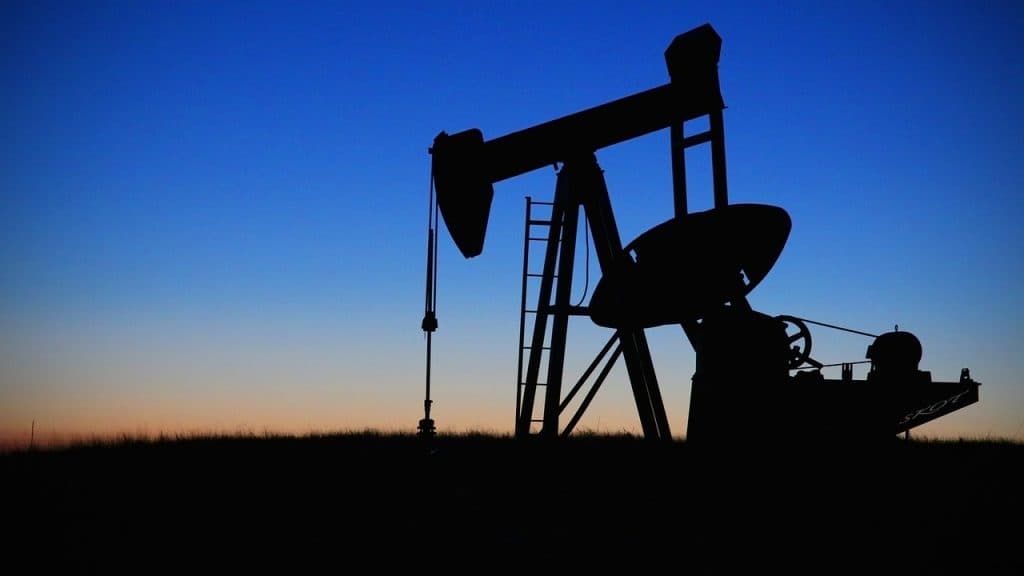
The Biden administration has taken steps to restrict oil, natural gas and other resource development in Alaska. The move has angered state officials, who say the restrictions will cost jobs and make the US dependent on foreign sources. Environmental groups, however, have welcomed the federal government’s actions.
The acronym NPR-A, which may mean little to Europeans, refers to an area of 9.3 million hectares in northern Alaska. It is the largest area of intact public land in the United States.
The US Department of the Interior has now completed an order, according to Reuters, to block oil and natural gas drilling on about 40% of the area, in order to protect the habitat of polar bears and other wildlife, as well as the way of life of Indigenous communities.
The new rule would prohibit oil and gas leasing on 4.3 million hectares of this land and restrict development on a further more than 809,000 hectares.
Conservationists welcome the restrictions
Environmental groups, an important part of Biden’s base ahead of the US election on November 5, praised the measures for protecting natural areas and cultural resources amid changes in the region.
“As the Arctic undergoes dramatic climate change, this new rule is absolutely essential to protecting birds and fish,” said David Krause, interim executive director of Audubon Alaska.
The new measure will not affect existing oil and natural gas production, including ConocoPhillips’ $8 billion Willow project, which the Biden administration approved last year.
Oil and natural gas leases currently cover an area of approximately 1 million hectares.
The measures align with President Joe Biden’s efforts to restrict oil and natural gas production on public lands and protect 30% of US land and waters as part of the fight against climate change.
“I am proud that my administration is taking steps to conserve more than 13 million acres in the Western Arctic and honor the culture, history and enduring wisdom of Alaska Native people who have lived on and stewarded these lands since time immemorial,” Biden said in a statement.
Alaska’s divided population
State officials cite risks to fish populations, on which dozens of Indigenous communities depend for their livelihoods, as a reason for the ban. Alaska’s Indigenous population is, however, divided over oil and natural gas development, and some groups have strongly opposed the administration’s decision, saying that taxes from the industry help fund schools and infrastructure in their communities.
“When you take away our access to our resources, when you say you can’t drill, you can’t mine, you can’t explore, you can’t move it—that’s the energy insecurity we’re talking about. We will still need germanium, gallium, copper. We will still need oil. But we won’t get it from Alaska,” said Senator Lisa Murkowski.
Republican senators from Alaska and several other states held a press conference last Thursday, criticizing the administration’s widely anticipated decision.
“The final decision on NPR-A will hurt the very people the federal government claims it is trying to help, by reversing years of progress, impoverishing our communities and endangering our Iñupiaq culture,” said Nagruk Harcharek, president of the Voice of the Arctic Iñupiat, in a statement.
Translation disclaimer
This article is a machine translation of the Czech original and has not yet been fully reviewed. In case of any doubt, please refer to the Czech version.