
23 October 2026, 14:38
Loading...
Germany: Renewables covered nearly 60% of electricity consumption in the first half of the year

David Vobořil
21 July 2024, 08:41
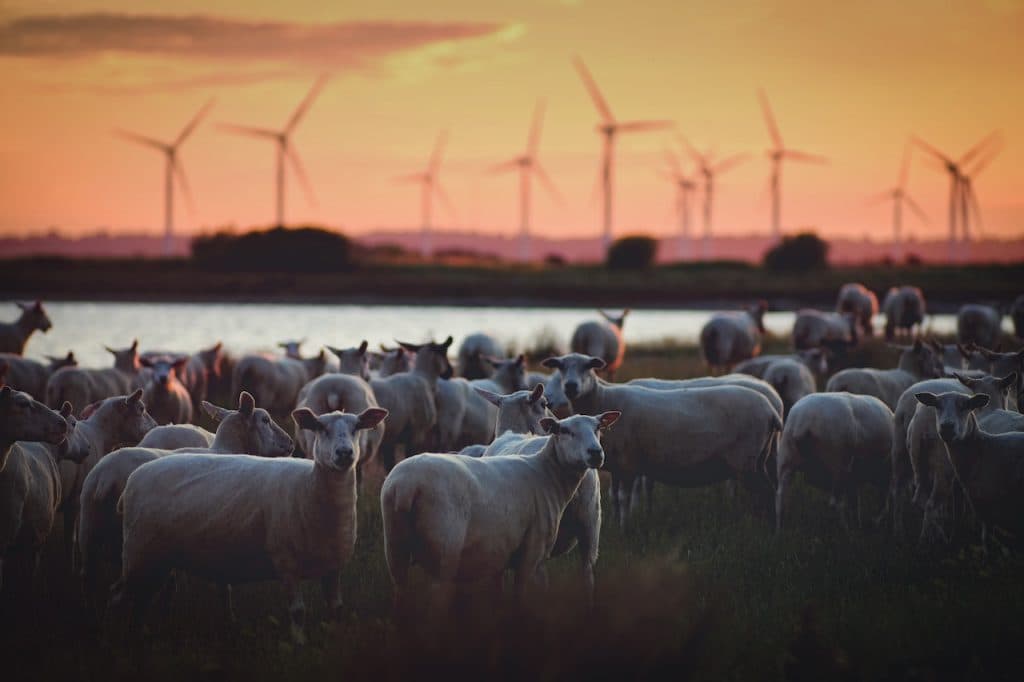
According to preliminary data published by the German Environment Agency (UBA), renewable energy sources covered approximately 57% of gross electricity consumption in Germany in the first half of 2024. However, Germany needs to accelerate the development of wind and solar power plants to meet its climate and energy targets.
Total renewable energy generation in Germany reached 147 TWh, up 9% compared with the same period the previous year. As electricity consumption this year was roughly the same as in the previous year, the share of renewable energy in gross electricity consumption rose significantly in the first half of 2024. According to calculations by the Working Group on Renewable Energy Statistics, this share was already around 57%.
"It is a success that the share of renewables in electricity generation continues to rise," said UBA head Dirk Messner.
However, Germany still needs to accelerate the expansion of renewable energy to meet its climate and energy targets, particularly in photovoltaics, Messner noted. He called for the careful further development of subsidy mechanisms and for information to be provided in good time to enable renewable energy projects to be planned. He also said it was essential to find a way to keep grid charges under control in areas with a high share of renewable energy.
In the first six months of 2024, wind power plants accounted for the largest share of renewable electricity generation (approximately 51%), followed by photovoltaics (24%), biomass (15%) and hydropower plants (8%).
Compared with the first half of 2023, electricity generation from wind power plants rose by 10%, mainly thanks to windy winter months and an increase in installed wind capacity. Growth in photovoltaic capacity also led to a 13% increase in generation from these sources. Electricity generation from hydropower plants rose by 12% thanks to unusually high rainfall in the first half of the year.
Germany has set a target of meeting 80% of gross electricity consumption with electricity generated from renewable sources by 2030. The growing electrification of sectors that still depend on other energy sources, particularly heating and transport, is also likely to increase overall electricity consumption in the coming years.
The country will therefore have to speed up the construction of wind and solar power plants to increase solar and wind capacity by the planned hundreds of GW by 2030.
Germany will also have to ensure that construction of transmission lines, which has so far stagnated and fallen several years behind schedule, keeps pace with renewable energy development. Transmitting electricity from the windy north of the country to industrial areas in the west and south is already a major challenge, requiring transmission system operators to intervene because of grid bottlenecks. Last year, measures to stabilize the transmission system cost more than EUR 3 billion.
Translation disclaimer
This article is a machine translation of the Czech original and has not yet been fully reviewed. In case of any doubt, please refer to the Czech version.
Sdílejte článek prostřednictvím:
You might also like


23 October 2026, 11:01


23 October 2026, 06:34