The UK, Finland and Estonia practised protecting infrastructure in the Baltic Sea

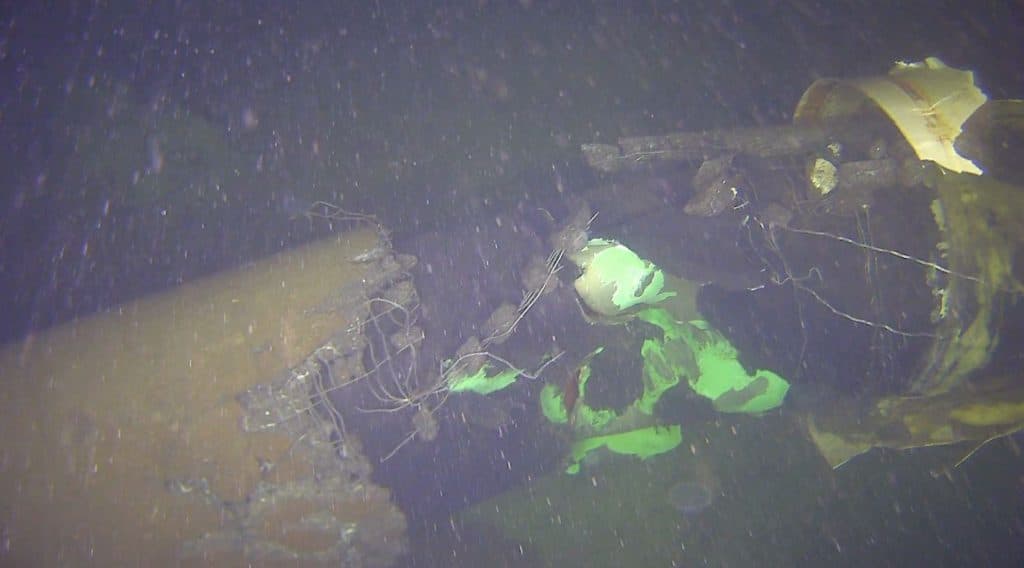
Following last year’s sabotage of the Nord Stream 1 and 2 pipelines and this year’s damage to the Balticconnector pipeline and adjacent communications cables, protecting energy infrastructure is moving to the forefront of attention. Navies and other security forces from three European countries practised protecting underwater infrastructure in the Baltic Sea region in early December.
Last year’s and this year’s incidents have prompted a number of European countries to strengthen the protection of underwater infrastructure, whether energy or communications. After last year’s damage to the Nord Stream 1 and 2 pipelines, another incident occurred this year, when the Balticconnector pipeline linking Finland and Estonia was damaged on 8 October.
According to the latest information, the pipeline was most likely damaged by the cargo ship Newnew Polar Bear, which is registered in Hong Kong. Investigators say, however, that it is still too early to determine whether the pipeline and telecommunications cables were damaged accidentally or deliberately.
A naval exercise held at the beginning of this week also focused on protecting underwater infrastructure. According to Finnish officials, the aim was to develop capabilities to monitor and protect underwater infrastructure and counter an underwater military threat.
“Following the Balticconnector incident, many countries in the Baltic Sea region have stepped up cooperation and their own national maritime surveillance operations,” said Janne Huusko of the Finnish Defence Command.
Although all three countries are NATO members, according to Reuters, the exercise took place under the Joint Expeditionary Force, led by the United Kingdom. The force brings together the Baltic and Nordic countries, along with the United Kingdom and the Netherlands.
According to Reuters, the United Kingdom said in October this year that it planned to step up military activity in northern Europe. The move is to include the deployment of 20,000 troops over the next year, tasked with protecting critical infrastructure.
Translation disclaimer
This article is a machine translation of the Czech original and has not yet been fully reviewed. In case of any doubt, please refer to the Czech version.




