
23 October 2026, 14:38
Loading...
When there is too much electricity: France's grid under pressure

David Vobořil
7 October 2024, 15:55
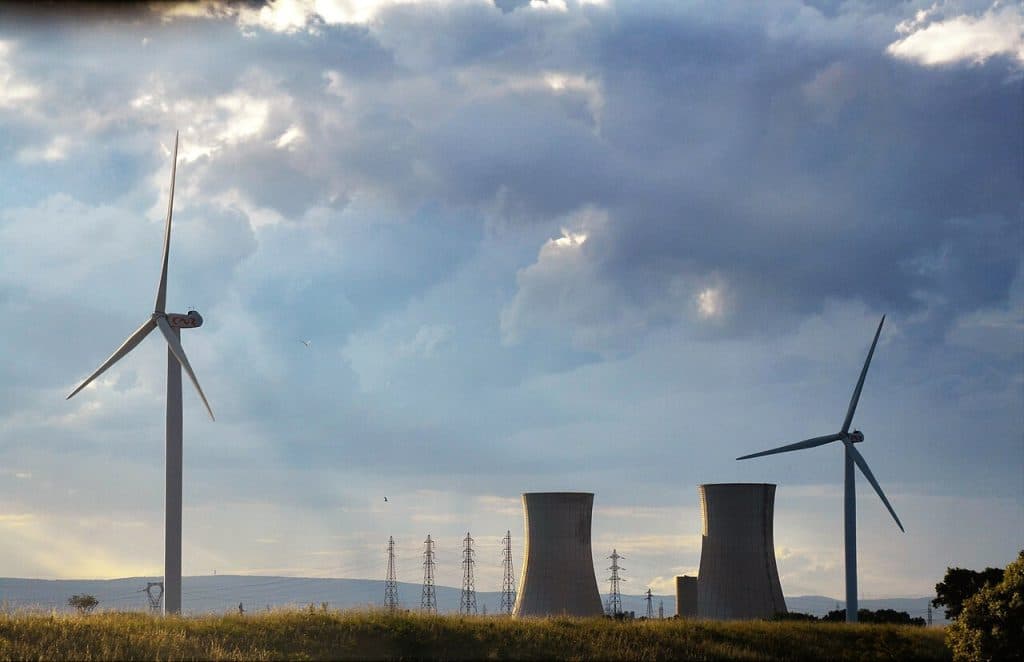
France is facing a problem with excess electricity on the grid. The transmission system operator is now urging renewable energy operators to manage the output of their plants according to the needs of the grid, Montel reports. France's energy mix is characterised by a high share of nuclear power generation, which in most cases has only limited flexibility.
French transmission system operator RTE was forced for the first time in its history this summer to fully or partially curtail generation at some wind and solar power plants to prevent a grid collapse. This happened during a period of high nuclear generation and a sharp rise in renewable energy generation, combined with weak demand. Generation at several offshore wind farms and one solar park was curtailed on three days in July and September.
Curtailment was the last resort for maintaining grid stability, as the transmission system operator's manual reserve for restoring frequency—which is usually used to balance the grid an hour ahead—had reached its limit, RTE officials said.
This reserve is provided primarily by nuclear, thermal or hydropower plants, which are selected in advance by the transmission system operator and undergo a so-called prequalification process. In return for payment, these plants are able to increase or decrease their output at a given time.
RTE wants to manage renewable output according to grid needs
As France, like its European neighbours, experiences periods of excess electricity generation and negative wholesale electricity prices on the spot market more frequently, the transmission system operator wants to require renewable energy sources, such as wind and solar power plants, to participate in the reserve. At present, only renewable sources with a total installed capacity of around 500 MW provide negative reserve capacity in France—that is, the ability to respond to an instruction from the transmission system operator by reducing their output—and they do so on a voluntary basis.
An electricity surplus on the grid occurs when some conventional power plants in the system cannot reduce their output cost-effectively to match current electricity demand. Alongside electricity supplied by renewable energy sources, which are prioritised under the merit order over sources with higher marginal costs per unit of energy generated, this creates an excess of electricity generation over consumption. This phenomenon often leads to negative prices for wholesale electricity on the spot or intraday market.
RTE is also calling for a review of public support for renewable energy sources, arguing that fixed or feed-in tariffs do not incentivise generators to reduce output when there is an electricity surplus on the grid. Many other countries with a high share of renewables in their electricity generation face a similar problem, including Germany. Germany previously introduced a rule under which renewable energy operators do not receive support when the spot market price of electricity remains negative for several consecutive hours. In the Czech Republic, operating support is already designed so that it is not paid when prices turn negative.
However, generators contacted by Montel said that curtailing renewable generation is not a long-term solution and should be a last resort. Instead, they said, the transmission system operator should focus on changing consumption patterns and increasing flexibility. One trader told Montel that revising feed-in tariff contracts after operators had built their plants and drawn up their business plans would be “impossible”. The aforementioned rule introduced in Germany also applied only to new renewable installations.
On the requirement for renewable energy operators to participate in the balancing market, Aymeric Ducrocq, head of marine energy in the renewables division of French energy company EDF, said project developers were not opposed, but that the terms for termination and compensation still needed to be defined.
The role of nuclear power in France
Last year, nuclear power accounted for approximately 67% of total electricity generation in France. France currently relies heavily on nuclear power plants to balance the grid.
Reducing nuclear power generation was sufficient in the past, but “now we will have to do something to balance the system, because in a few years we could be heading for disaster,” said Maxence Cordiez, an expert at the Institut Montaigne think tank.
In his view, it is urgent to shift consumption to periods of high generation and develop solutions for storing electricity.
“We must not hold back renewable energy [...] above all, we need to accelerate electrification, but do so efficiently and flexibly,” said Nicolas Goldberg, a partner at Colombus Consulting.
Translation disclaimer
This article is a machine translation of the Czech original and has not yet been fully reviewed. In case of any doubt, please refer to the Czech version.
Sdílejte článek prostřednictvím:
You might also like


23 October 2026, 11:01


23 October 2026, 06:34