
23 October 2026, 14:38
Loading...
Europe is building LNG terminals, but imports are lagging: what to expect in 2025
Veronika Jurcová
1 January 2025, 12:35
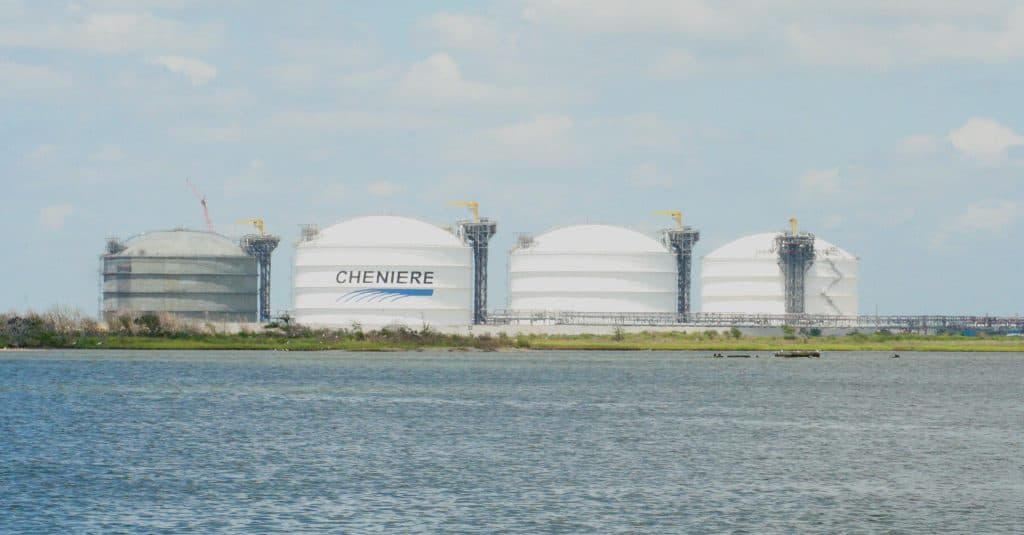
Europe continues to invest in LNG terminals, even as growth slowed in 2024 and LNG imports to the region fell. Traders, however, expect a change in 2025 after the gas transit agreement between Russia and Ukraine expired at the turn of the year. This could boost LNG imports to offset the shortfall caused by the reduction in Russian pipeline gas supplies, reports S&P Global Commodity Insights.
The strategic importance of liquefied natural gas (LNG) in Europe has grown as a result of Russia’s invasion of Ukraine in 2022 and the energy crisis that followed. European countries began urgently seeking alternative energy sources and diversifying import routes to ensure the region’s energy security.
The Russia-Ukraine war led to a significant increase in Europe’s reliance on liquefied natural gas. This trend was accompanied by the accelerated construction of terminals for LNG imports and regasification. In 2024, the growth in the capacity of these facilities even outstripped the volume of LNG imports themselves. The rapid expansion of regasification infrastructure made it possible to replace some Russian pipeline gas supplies with LNG.
Germany in particular played a key role in the shift to LNG. As the largest importer of Russian gas before the invasion, it accelerated its plans to build LNG terminals, which became a crucial part of securing gas supplies. The expansion even raised questions about overcapacity.
Although increased regasification capacity strengthened Europe’s position in the global LNG market, steady pipeline gas flows from Russia, Norway and Algeria limited further growth in LNG imports. According to S&P Global Commodity Insights data, LNG imports stood at 100 million tonnes (1650 cargoes) as of 27 December last year, 25% lower than in 2023, when volumes reached 124.15 million tonnes (2077 cargoes). The highest imports were recorded in 2022, at 126 million tonnes (2158 cargoes).
Despite continued investment in LNG infrastructure, regasification terminal utilisation remained low. Utilisation rates fluctuated between 31–55% during the year.
LNG terminal construction slows
The decline in LNG imports in 2024 slowed the pace of LNG terminal construction. While monthly regasification capacity increased by 3 million tonnes in 2023, growth was significantly lower in 2024, reaching just 1 million tonnes.
Greece recorded the largest increase in monthly capacity in September 2024, adding 360 000 tonnes through the new Alexandroupolis floating storage and regasification unit (FSRU). Belgium’s capacity rose to 940 000 tonnes from 730 000 tonnes, while Germany expanded its capacity to 1.28 million tonnes from 1.14 million tonnes.
Spain remained the country with the largest LNG import capacity, at 4.08 million tonnes per month, followed by Turkey (3.19 million tonnes) and the United Kingdom (2.99 million tonnes).
Traders say the main reason for the slowdown is that LNG is less competitive than pipeline gas, which has so far been plentiful in southeastern Europe.
Experts say the situation could change in 2025 with the expiration of the Russia-Ukraine gas transit agreement. This will force Europe to replace the loss of Russian pipeline gas supplies, which amounted to approximately 42 million m³ per day.
Commodity Insights analyst Alija Bajramovic said growth in combined gas production from other sources, such as domestic production, Norway, Algeria, Libya and Azerbaijan, is not expected in 2025. LNG will therefore remain the only way to replace lost Russian pipeline supplies and meet rising demand.
"We expect Europe’s reliance on LNG to reach record levels, with its share of total gas supplies exceeding 40 percent for the first time in history," Bajramovic added.
The halt in Russian pipeline gas imports is expected to increase LNG supplies to northwestern Europe, where this option is the most cost-effective. According to Commodity Insights, LNG supplies to terminals in France, Belgium, the Netherlands, the United Kingdom and Germany are expected to rise to 285 million m³ per day, a year-on-year increase of 22%.
Outlook for 2025
US exporters are working hard to strengthen their position in the European LNG market. Another US project began operations at the end of December, underscoring their efforts to increase liquefied natural gas supplies to the global market.
Germany is expected to play a key role in supplying regasified LNG to landlocked countries in Central and Eastern Europe, including the Czech Republic.
German LNG imports rose sharply in December. Between 1 and 25 December, they reached 508 million m³, an increase of 154 million m³ compared with the same period in November, according to S&P Global Commodity Insights data. Gas from German LNG terminals is expected to be a key source of supply for Central and Eastern European countries.
Some market participants in the region, however, expect limited volumes of Russian gas to continue flowing through Ukraine. This outlook is supported by political and commercial pressure, particularly from Slovakia and Hungary, where there is continued interest in maintaining transit.
Reduced Russian pipeline gas supplies through Ukraine could also contribute to declining gas reserves in the EU. According to Gas Infrastructure Europe data, EU gas storage facilities were 86.9% full on 25 December 2024, down from the same period a year earlier.
Translation disclaimer
This article is a machine translation of the Czech original and has not yet been fully reviewed. In case of any doubt, please refer to the Czech version.
Sdílejte článek prostřednictvím:
You might also like


23 October 2026, 11:01


23 October 2026, 06:34