Europe still faces the challenge of dependence on Russian gas


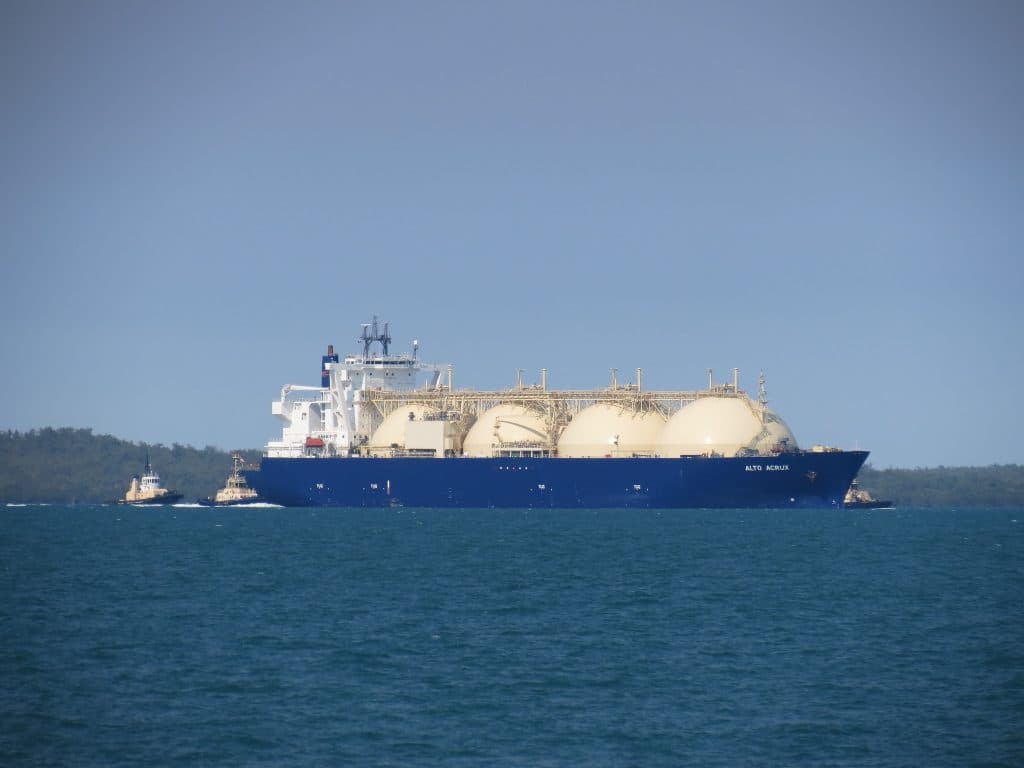
Europe’s shift away from imports of Russian gas following Russia’s invasion of Ukraine is not going smoothly. A ban on imports of this commodity from Russia, including LNG, could have a significant impact on gas availability in Europe and, consequently, on prices, according to many. However, Donald Trump’s plans to lift the ban on approving new LNG export terminals could ease the situation on the LNG market.
If imports of Russian liquefied natural gas (LNG) are banned, the situation for gas supplies to Europe will be “extremely challenging” given the tightness of the global market for the fuel, Axpo Iberia’s deputy head of natural gas and LNG, Alvaro Baillo, said on Thursday. It is unclear how the EU could gradually stop taking Russian gas by 2027, Baillo added.
Gas prices have risen steadily since the start of winter due to colder weather and concerns about gas supplies through Ukraine . Europe also began drawing gas from its storage facilities earlier than last year.
Europe remains dependent on Russian gas despite its efforts
More than two years have passed since the launch of the REPowerEU initiative, which aims to gradually end imports of Russian fossil fuels into the European Union by 2027, save energy, diversify energy supplies and produce clean energy. During that time, the EU says it has, among other things, reduced gas consumption by 18%, overcome its dependence on Russian fossil fuels and generated more electricity from wind and solar than from gas for the first time.
An analysis by The Brookings Institution, however, says that despite Europe’s rapid and creative response to the energy crisis caused by the war, Russian gas continues to find its way into the EU, either directly or through other suppliers. Although Russia is struggling to redirect its gas exports, because existing infrastructure does not allow it to easily export to other major markets, such as China, some EU member states continue to import Russian gas deliberately.
In 2023, Europe still imported 14.8% of its total gas supplies from Russia, of which 8.7% came through pipelines (25.1 billion cubic metres) and 6.1% in the form of LNG (17.8 billion cubic metres). By comparison, in the first quarter of 2021, 47% of Europe’s total gas supplies came from Russia: 43% via pipeline and 4% as LNG.
LNG from the US
According to two sources familiar with the plans, US president-elect Donald Trump’s transition team is preparing a wide-ranging energy package to be presented within days of his taking office. The package is expected to approve export permits for new LNG terminals and increase oil and gas production.
Translation disclaimer
This article is a machine translation of the Czech original and has not yet been fully reviewed. In case of any doubt, please refer to the Czech version.