International Atomic Energy Agency gains access to roof of Zaporizhzhia NPP

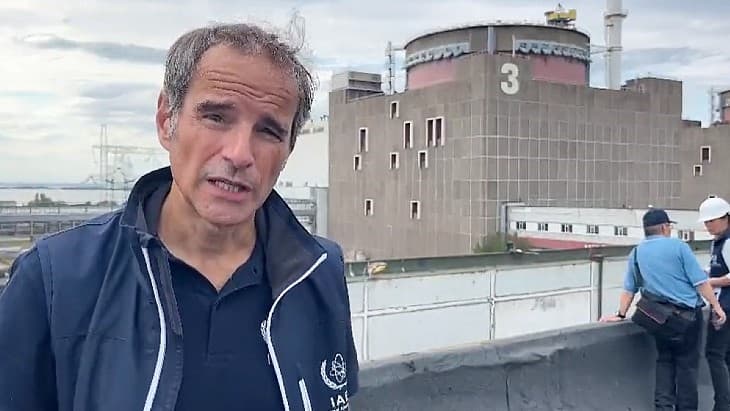
IAEA inspectors at the Zaporizhzhia nuclear power plant inspected the roof of Unit 2 and found no mines or explosives. They are still unsuccessfully seeking access to the roofs of all six reactor buildings and to the inside of the turbine halls.
IAEA Director General Rafael Mariano Grossi said: "After repeated requests over the past few months, we have finally been able to visit the roof of another reactor. While this is a step in the right direction, we still need more open access to assess compliance with the five principles for ensuring the safety and security of the plant, which were presented to and received support from the UN Security Council. We will continue to insist on this until inspectors are granted access."
During earlier inspections, the Agency’s inspectors found several anti-personnel mines at the plant.
Another Zaporizhzhia NPP unit placed in hot standby
The International Atomic Energy Agency (IAEA) reported that the second reactor at Ukraine’s Zaporizhzhia nuclear power plant, which is occupied by Russian forces, had been placed in hot standby. The move is intended to supply hot water and heating during the coming winter. This operating mode requires the reactor to increase power in order to heat and maintain the temperature of the primary circuit, which could make it more difficult to cool the reactor in the event of a sudden loss of residual heat removal systems.
The six-unit Zaporizhzhia nuclear power plant, which has been under Russian military control since early March 2022, has not supplied electricity to the grid since September 2022. Since April this year, five reactors have been cooled down and stabilized in cold shutdown. Only one unit—currently Unit 4—remains in "hot standby" to produce steam for radioactive waste processing and heat water for the city of Enerhodar, where most of the plant’s employees live.
Ahead of the coming winter, Unit 5 was heated up to hot standby to carry out safety maintenance and some tests.
National regulator and IAEA call for all units to be cooled down
The IAEA reported that the decision by the plant’s current management on how long Unit 5 will remain in "hot standby" will be made once Enerhodar’s heating system has stabilized after the start of the heating season, which begins in the coming days. There are currently said to be no plans to heat any other units up to "hot standby".
The IAEA strongly recommends that the plant find an alternative (external) source of steam so that all reactors can be cooled down and kept in "cold shutdown". The destruction of the Kakhovka dam four months ago is also a cause for heightened concern, as it has limited the plant’s cooling water supplies.
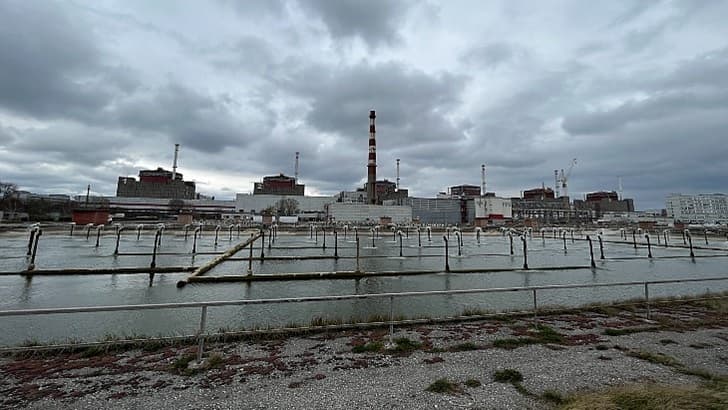
Eleven wells have been dug to pump groundwater to secure cooling water supplies. Together, they provide about 250 cubic meters of water per hour, which the plant operators consider sufficient to maintain water levels in the 12 cooling ponds, according to the IAEA.
The IAEA’s expert team at the plant was informed that the plant had sent technical requirements to potential suppliers to purchase an external steam generator. However, the equipment is not expected to be installed before early 2024, possibly not until after the heating season.
In June, Ukraine’s state nuclear regulator issued regulatory orders requiring all six units to be cooled down to "cold shutdown" in view of the plant’s location on the war’s front line and the damage to the dam that had ensured sufficient cooling water supplies.
Steam generator leaks being repaired
Unit 6 is currently undergoing an outage. The unit was recently cooled down to "cold shutdown". Boron has been detected on the secondary side of two steam generators (SGs), indicating a leak between the primary and secondary circuits. The leaks are much smaller than the one previously identified in the Unit 4 steam generator, which has already been repaired. Small leaks were identified in one tube each in two SGs at Unit 6 (each SG has 11,000 tubes). The tubes have been plugged, and tests are now underway to verify that the repairs were successful.

The IAEA team at the plant, which is on the front line between Russian and Ukrainian troops, continues to report explosions every day. They are usually heard farther away from the plant, but explosions closer to the site were reported on Tuesday. Inspectors are also examining staffing levels, training, and the licensing of plant employees.
Translation disclaimer
This article is a machine translation of the Czech original and has not yet been fully reviewed. In case of any doubt, please refer to the Czech version.




