5 November 2026, 16:11
Loading...
Japan plans to increase nuclear power generation, but frequent earthquakes pose a complication

Marek Kršák
11 January 2024, 07:06
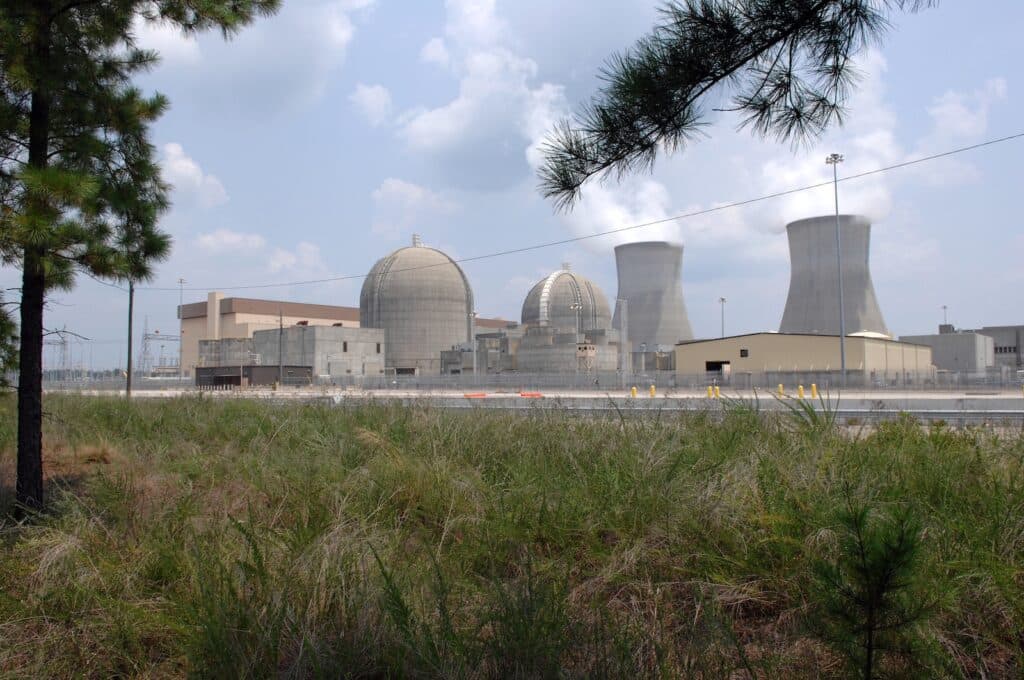
According to Japanese company Tohoku Electric Power, the restart of reactor No. 2 at the Onagawa nuclear power plant will be delayed. Reuters reports. The delay is due to additional safety construction work following the 2011 earthquake, which forced the plant to suspend electricity generation. To help cover electricity demand, the company responded by restarting the Higashi Niigata gas-fired power plant in 2011.
Since then, however, Japan has increasingly focused on replacing fossil fuels with nuclear power, particularly to meet its carbon neutrality targets and reduce its dependence on imports of liquefied natural gas, including from Russia.
In 2011, the Onagawa plant was located practically at the epicentre of a magnitude 9 earthquake. In 2020, it received approval from the regulator to restart reactor No. 2. However, this did not happen because of delays in completing safety construction work.
The company recently said it now expects a further delay of several months to complete the construction work. The original restart date was set for early February. However, it now appears that even the later restart planned for May is not feasible.
Despite being flooded by a tsunami in 2011, the plant survived with its cooling system intact, so its reactors were not at risk of meltdown as was the case at the Fukushima Daiichi plant.
Recent earthquake
Japanese company Hokuriku Electric Power said that a small oil leak at the Shika nuclear power plant, which was hit by a powerful earthquake on New Year's Day, did not damage any vital components of the plant and had no significant adverse effects on the environment or human health.
A few days before the recent magnitude 7.6 earthquake, which killed more than 200 people in the Hokuriku region, Japan's nuclear regulator lifted the operating ban on the Kashiwazaki-Kariwa nuclear power plant, the world's largest. The country is recovering from the recent earthquakes, which, according to reports, did not affect the normal operation of any nuclear power plant.
Translation disclaimer
This article is a machine translation of the Czech original and has not yet been fully reviewed. In case of any doubt, please refer to the Czech version.
Sdílejte článek prostřednictvím:
You might also like

5 November 2026, 12:44
5 November 2026, 06:36