12 October 2026, 10:27
Loading...
Netherlands advances preparations for new nuclear plants as suppliers tasked with detailed studies

Eduard Majling
27 August 2026, 13:16
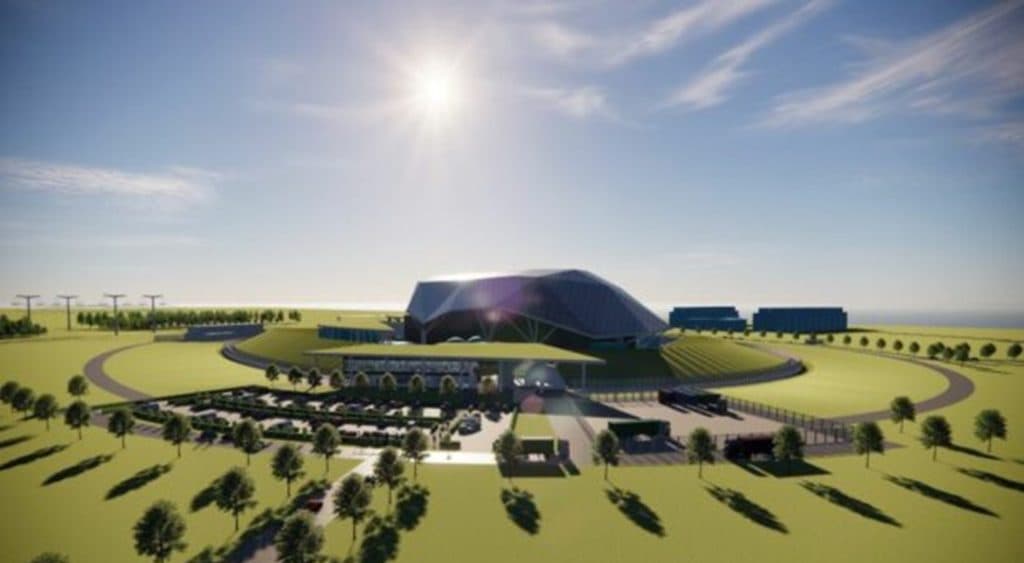
The Netherlands has moved preparations for two new nuclear power plants to the next stage. State-owned company NEO NL has commissioned EDF and Westinghouse to prepare detailed project studies aimed at reducing technical, regulatory and investment risks ahead of a future tender. The studies will proceed before the final site selection.
Dutch state-owned company NEO NL (Nuclear Energy Organisation Netherlands) has commissioned EDF and Westinghouse to prepare Front-End Engineering Design studies known as FEED 1. NEO NL is a state-owned company established to prepare, construct and eventually operate two new large nuclear power plants.
The first part of the study, FEED 1a, will not depend on the final site selection, allowing technology preparations to continue before the government decides on its preferred construction site. The second part, FEED 1b, is to follow after the adoption of a proposed decision on the preferred site and will focus directly on the specific conditions of the selected location.
This division of preparations is intended to allow the Dutch government to avoid losing time needed for project preparation while selecting a site. However, it does not yet constitute the selection of the future technology supplier. NEO NL told World Nuclear News explicitly that a supplier decision will only be made after a separate procurement procedure has been completed.
The studies are due to begin later this year and are expected to run for 12 to 18 months. Their actual duration will nevertheless depend primarily on when the government decides on the site selection. They are intended to provide a basis for better-prepared bids, more predictable costs and reduced project delivery risks.
EPR and AP1000 remain in the running
EDF and Westinghouse are following on from earlier studies that the Dutch government also commissioned from South Korean company KHNP. The EPR, APR-1400 and AP1000 designs were assessed in terms of compliance with Dutch legislation and regulatory requirements, suitability for the Borssele site, and preliminary estimates of costs and construction duration.
The Dutch nuclear regulator said last year that all three assessed designs could meet the necessary safety requirements, but KHNP has since withdrawn from the process. The detailed phase is therefore now continuing only with the EPR and AP1000 technologies.
From the perspective of the European nuclear sector, this approach is significant chiefly because the Netherlands is not proceeding directly to a final contract. The country is first commissioning technical work from two potential suppliers in order to clarify its regulatory and contractual requirements before the competition. In this way, it seeks to separate the political decision to develop nuclear power from the subsequent selection of a specific technology.
Borssele remains the leading candidate
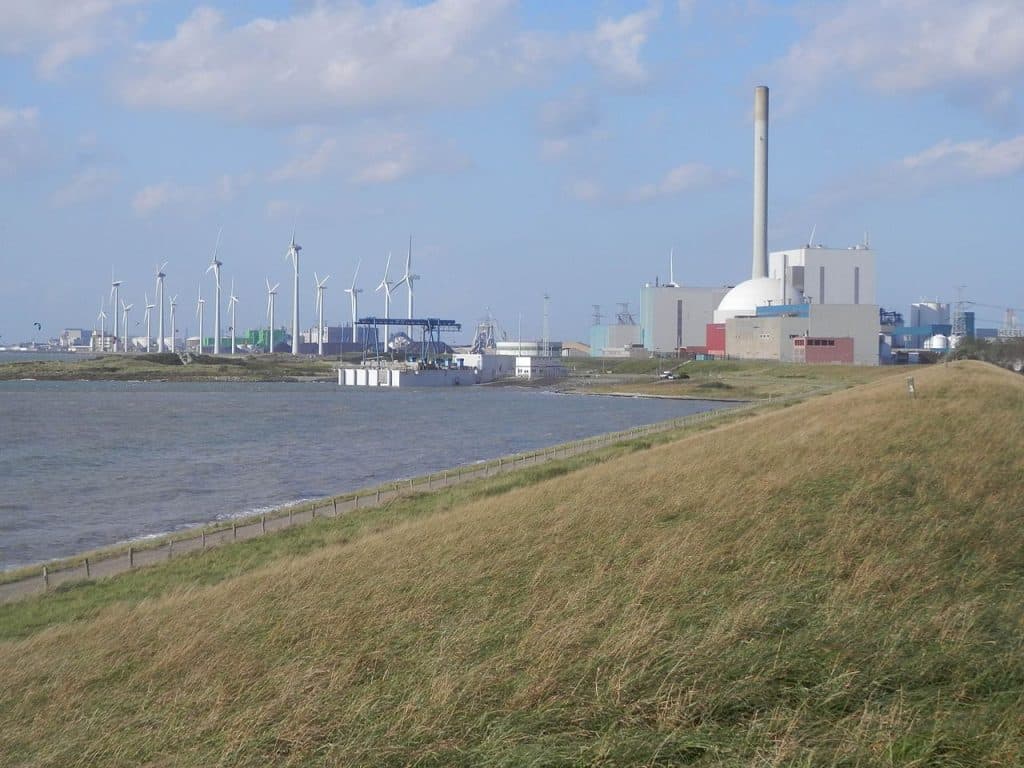
The Netherlands currently operates a single nuclear unit at the Borssele plant in the south-west of the country. It is a 482 MWe pressurised water reactor that was connected to the grid in 1973 and provides approximately 3 % of domestic electricity generation.
Government plans envisage two new units, each with a capacity of 1000 to 1650 MWe. Under current expectations, the new units should be completed around 2035 and account for 9 to 13 % of Dutch electricity generation.
Borssele has been considered the most suitable option since 2022, but the government is also assessing Tweede Maasvlakte near Rotterdam, Terneuzen in the province of Zeeland, and Eemshaven in Groningen. Site selection therefore remains one of the key steps in the project's further progress.
Netherlands confirms stronger state involvement
The Dutch model shows the state's effort to strengthen its own control over the preparatory phase through a specialised organisation. NEO NL was established in February this year specifically to play a central role in the preparation, construction and operation of the two planned plants.
For the Czech debate, the key question is whether detailed technical preparation before the final contract can limit future project changes, disputes over the scope of supply and pressure for cost increases. The Netherlands is now testing an approach in which technological and regulatory uncertainties are addressed before the state proceeds with a binding supplier selection.
Translation disclaimer
This article is a machine translation of the Czech original and has not yet been fully reviewed. In case of any doubt, please refer to the Czech version.
Sdílejte článek prostřednictvím:
You might also like
12 October 2026, 07:40
11 October 2026, 20:09
11 October 2026, 08:24