
23 October 2026, 14:38
Loading...
Slovenia will prioritize a new large nuclear unit over small modular reactors

Jiří Salavec
9 September 2024, 14:51
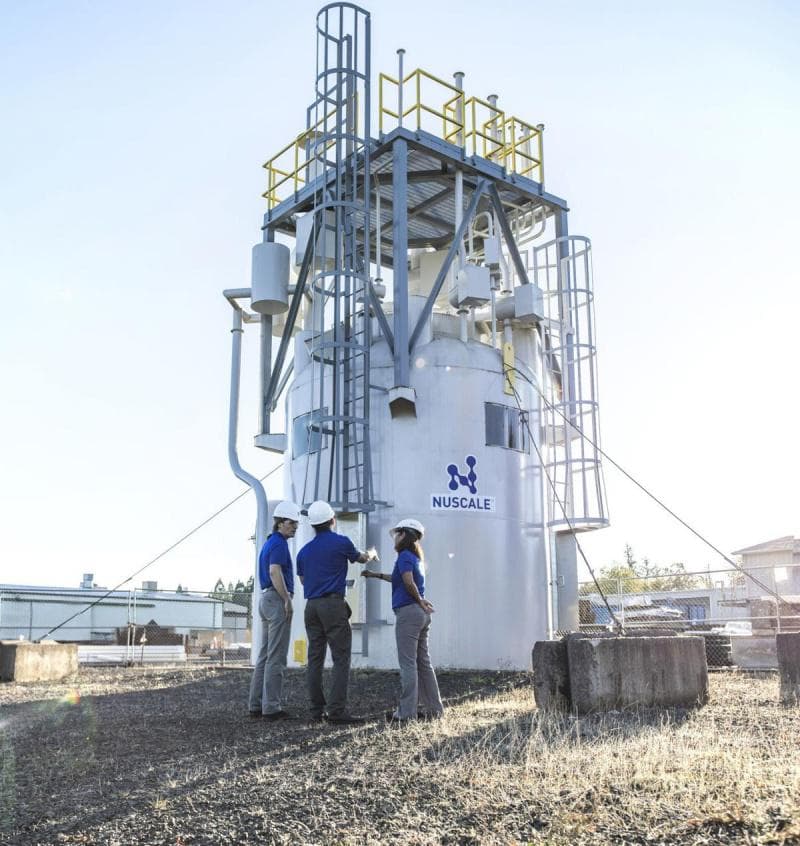
Slovenia’s expert working group on building a new nuclear power source has published further analyses. Among other findings, they indicate that, given the planned start of work in 2028, it would be advisable to select a supplier of a conventional large nuclear unit. A referendum will nevertheless be held in the country later this year, in which Slovenes will decide whether a new nuclear unit should be built at all. Ahead of the referendum, a “roadshow” will be held across the country, where experts will inform the public about all the potential impacts.
Slovenian energy company GEN energia has published further information on plans to build a nuclear power source in the country. In recent months, its working group has examined various aspects of building a new nuclear power source at the Krško power plant (JEK). The analyses’ conclusions cover flood safety, waste management, assessments of the financial and security risks associated with importing nuclear fuel, and the size of the nuclear unit.
The working group’s conclusions show that the development of small modular reactors (SMRs) is not sufficient for Slovenia’s nuclear energy sector in the short term. To fully benefit from serial production, a supply chain must be established and experience gained from pilot operations—a process the group says will take another 20 years.
Current plans for a new nuclear unit envisage the government making a final decision by 2028. Construction is expected to begin no later than 2032.
“An analysis comparing the expected JEK2 project timeline with the anticipated development of modular reactor technology showed that, by the time the contract with a supplier is expected to be signed, only three land-based SMRs would be operating, with another three under construction. All these reactors are also first-of-a-kind projects. Although we do not consider SMR technology suitable for the JEK2 project within the required timeframe, we will continue to closely monitor the development of this technology,” the group says in its conclusions.
Slovenes are also monitoring planned nuclear units in the Czech Republic, particularly to assess the estimated cost of building a new nuclear unit. Based on the bids for completing the Dukovany plant, they believe their cost expectations remain realistic for now.
Involving the public in the decision
In 2022, the Slovenian prime minister pledged that a referendum would be held before the construction of a new nuclear unit in the country is approved, giving citizens the opportunity to express their views. To help citizens make an informed decision, the expert working group is organizing a so-called roadshow to introduce the public to nuclear energy. The traveling presentation is taking place in major Slovenian cities from late August to late September.
“Experts are presenting comprehensive information about nuclear energy to the general public using graphics. In doing so, they aim to improve public awareness and foster a reasonable discussion about the JEK2 project and the future of Slovenian energy. The roadshow is stopping at ten locations across Slovenia,” GEN energia says.
Slovenia currently has a single 730 MW pressurized-water nuclear unit on its territory, at the Krško power plant. Slovenia plans to operate it in cooperation with neighboring Croatia until 2043.
Translation disclaimer
This article is a machine translation of the Czech original and has not yet been fully reviewed. In case of any doubt, please refer to the Czech version.
Sdílejte článek prostřednictvím:
You might also like


23 October 2026, 11:01


23 October 2026, 06:34