23 October 2026, 11:01
Loading...
Russia exported the least oil in a year in July

Eduard Majling
10 August 2024, 08:21
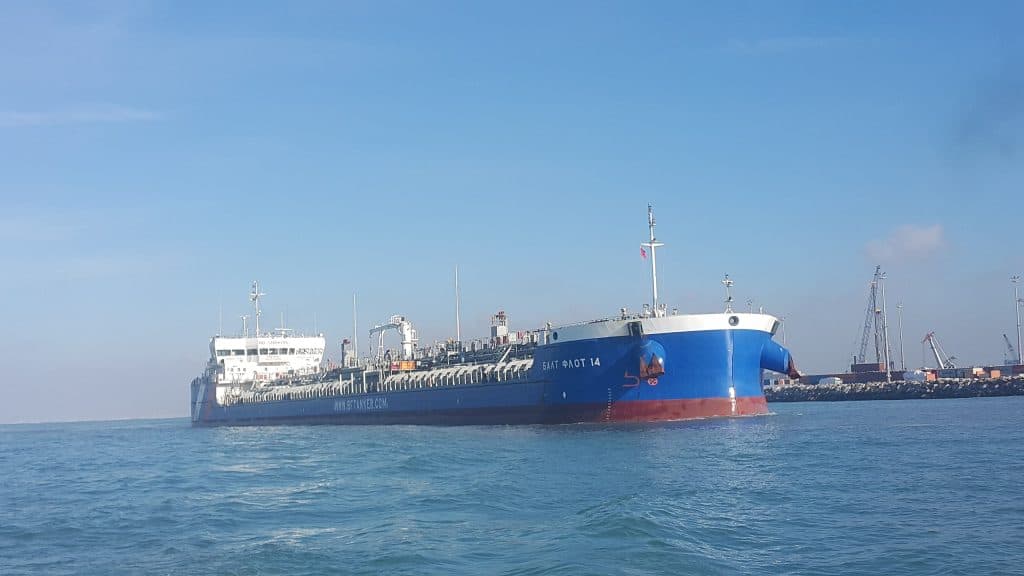
Russia's seaborne crude oil exports fell again in July, reaching their lowest level in a year. The further decline was apparently driven by a combination of factors, including the fact that Russian oil is no longer as attractively priced compared with competitors. At the same time, Russia diverted more oil to its refineries over the past month, after their operations were curtailed in June by further Ukrainian attacks.
Russia exported an average of 3.19 million barrels of crude oil per day by sea in July, half a million less than in June. According to data from S&P Global Commodities at Sea, the decline was driven by lower Urals crude exports from the ports near Ust-Luga and Novorossiysk.
The biggest drop in deliveries was recorded by India, which has become the largest buyer of Russian oil since Russia's invasion of Ukraine. While a record of nearly 2 million barrels per day (bpd) were shipped to Indian ports in June, imports fell by a fifth in July. One reason is likely to be planned maintenance at Indian refineries during the current quarter.

Monthly Russian crude oil exports since 2022. Source: S&P Global
Russian oil is becoming less attractive on price
Another reason for the decline in Russian oil exports is the price, particularly compared with that of other suppliers. The price gap between Russian oil and other markets, such as North Sea Brent, has recently narrowed. This is despite Western countries' efforts to limit Russia's revenues from fossil fuel sales, as Russia transports more oil using tankers that are not subject to the G7 price cap.
According to S&P Global Commodity Insights, Russian Urals crude was selling for almost $12 less than Brent at the start of the month. According to Platts, this is the smallest discount since February 2022, when the Russian military launched its ongoing invasion of Ukraine. Two years ago, Russian oil was selling for as much as $40 less per barrel than North Sea Brent. It was this substantial discount that made India, which imported almost no Russian oil before the war, its largest buyer.
Unlike crude oil exports, exports of refined Russian products rose slightly. With Russian refineries more readily available, partly because Ukraine launched fewer attacks on these facilities, exports increased by 6.3%. Even so, exports of refined products in July were around 15% lower than in January, when Ukraine began attacking Russian refineries more intensively, according to S&P Global.
Translation disclaimer
This article is a machine translation of the Czech original and has not yet been fully reviewed. In case of any doubt, please refer to the Czech version.
Sdílejte článek prostřednictvím:
You might also like


23 October 2026, 06:34