US extends sanctions waivers on Russian oil again
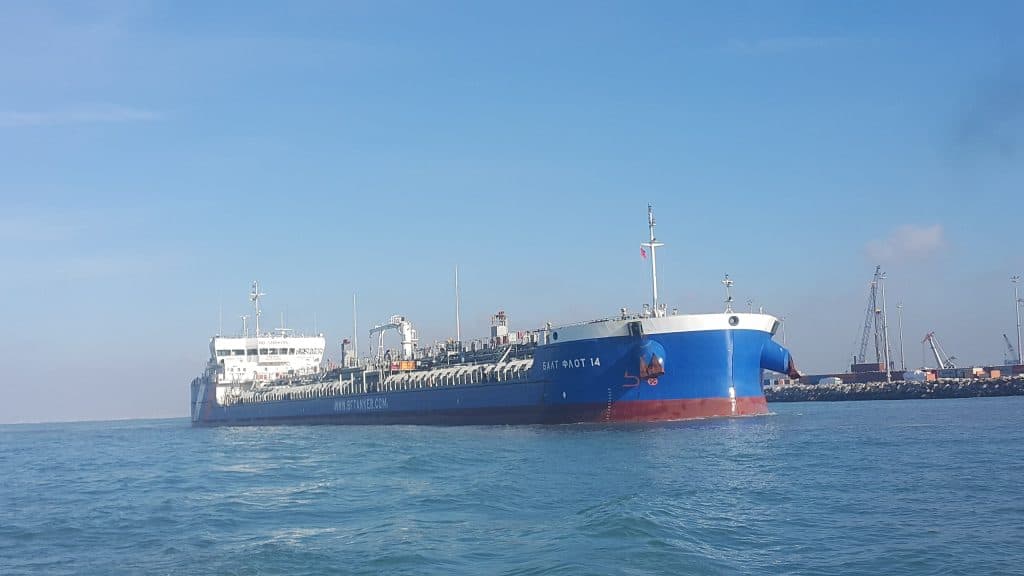
On Monday, the US Treasury once again extended the sanctions waiver for Russian oil. According to Treasury Secretary Scott Bessent, who announced the extension on his profile on social media platform X, the move is intended to provide relief to energy-vulnerable countries. The US first introduced the waiver of sanctions on Russian oil in the early days of the war and has continued to extend it.
The disruption to global oil supplies caused by the US-Israeli war against Iran is the largest in history. It is hitting hardest the vulnerable countries that consume a lot of oil and were more dependent on supplies from the Persian Gulf. The US initially granted the sanctions waiver for India, but later extended it to other countries as well. It was subsequently extended in mid-April until May 16.
On Monday, the US extended the waiver by a further 30 days. According to Reuters, vulnerable countries hit hardest by the crisis explicitly requested the waiver, including countries in Southeast Asia.
"The extension will provide additional flexibility, and we will work with these countries to provide specific licenses as needed…The license will also help stabilize the physical oil market and ensure that oil reaches the most energy-vulnerable countries," Bessent said in his post.
European and British sanctions on Russian oil remain unchanged.
Media outlets also reported claims by Iranian media that the US was considering further sanctions relief for Iranian oil. But according to CNBC, citing its sources, that is not true. Bessent said in Paris at a meeting of G7 countries that he wants other members of the group to enforce sanctions on Iran more rigorously.
Impact
The waiver will likely help individual countries, but is unlikely to have a significant effect on oil prices. Although Russia is benefiting from current high oil prices, it is unlikely to significantly increase production. In addition, Russian infrastructure is often targeted by Ukrainian attacks.
The waiver will therefore do little to ease pressure on the global market. Further reductions in consumption are likely. Global market reserves are expected to last until the end of June.
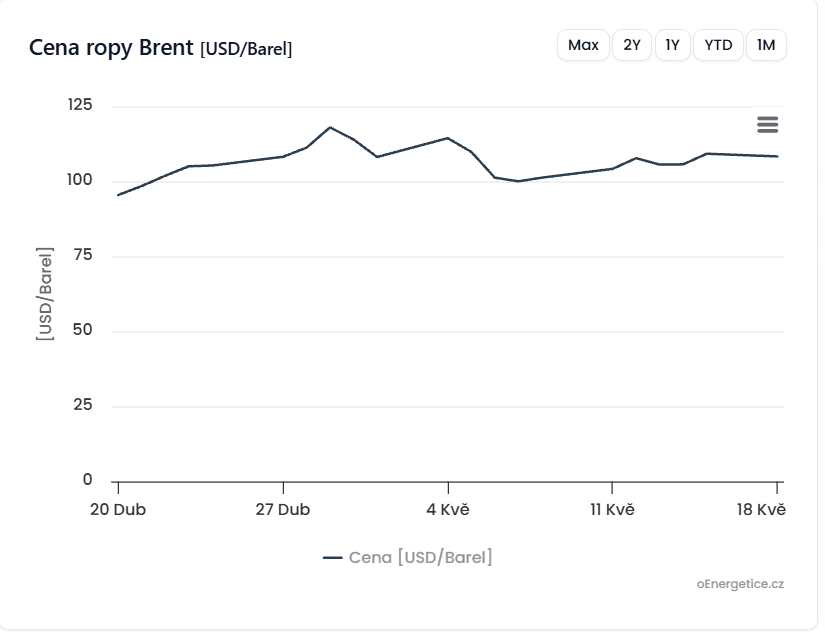
Talks to end the war are continuing, but Donald Trump is also escalating his rhetoric. On Monday evening, he said he had called off a planned attack at the request of allies in the region. Oil prices remain elevated but have been relatively stable over the past month. They could, however, be highly volatile, and the market is in wait-and-see mode. If an agreement is reached and the Strait of Hormuz reopens, oil prices are likely to fall sharply. If the war continues, however, prices could climb much higher.
Translation disclaimer
This article is a machine translation of the Czech original and has not yet been fully reviewed. In case of any doubt, please refer to the Czech version.