26 October 2026, 14:24
Loading...
Above-average temperatures may affect conventional power plant operations as early as spring
Daniel Grecman
28 March 2024, 06:47
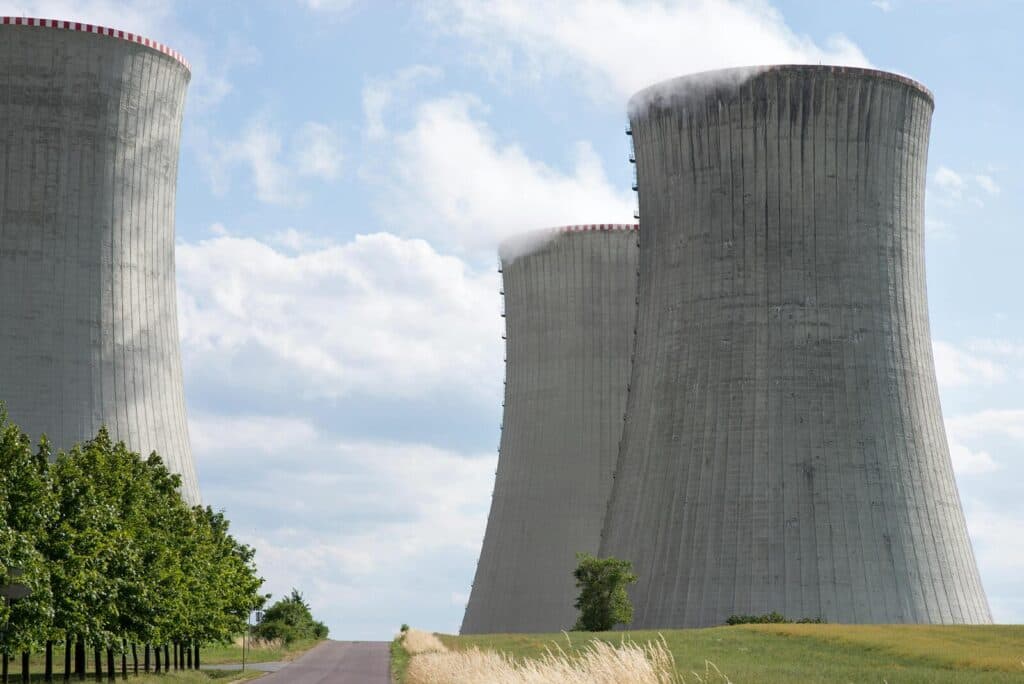
Above-average temperatures, which prevailed particularly during February this year, and the continuing warm weather may affect the further operation of conventional power plants as early as spring. Different river temperature limits are set for different times of year, which may make it necessary to curtail the output of thermal generation sources even outside the traditionally critical summer months.
In Germany, the average air temperature in February was 5.1 °C above the long-term average. Higher air temperatures subsequently also result in higher river temperatures. Some conventional power plants, whether coal-fired or nuclear, use river water for cooling. Thresholds above which river temperatures may not rise are set for individual watercourses and specific sections for different periods of the year. To prevent these thresholds from being exceeded, power plant output is curtailed, or rather the intake of cooling water is reduced.
Unusually high river temperatures
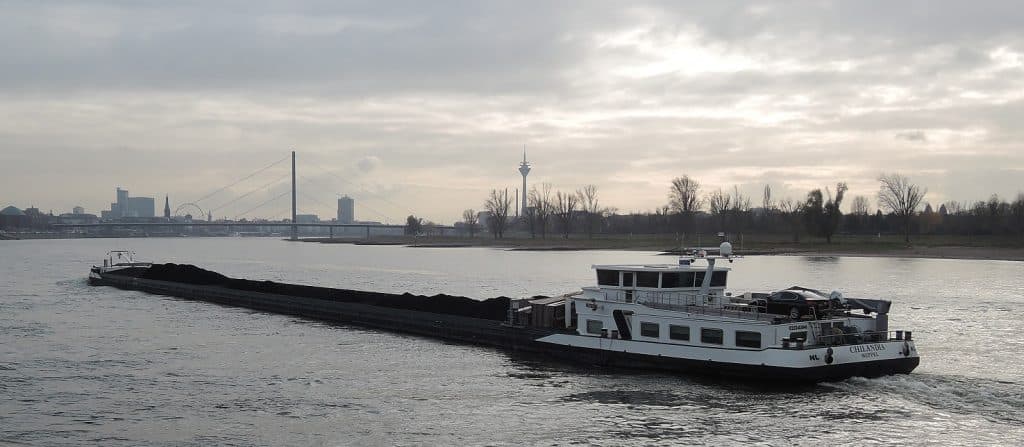
"Our data show that we have measured above-average temperatures for the period on the Rhine since mid-January 2024, and at the end of February we reached record levels for the entire 1988-2023 comparison period," said Tatjana Erkert, spokesperson for the Baden-Württemberg State Institute for the Environment.
Higher river temperatures may lead to restrictions at conventional power plants that use river water for cooling as early as spring. German generators ENBW and GKM had previously warned of possible operational restrictions due to the high temperature of the Rhine. Near the city of Karlsruhe, its temperature reached the recommended maximum levels for the given time of year.
At the beginning of April, however, the limit increases. Looking ahead, it is nevertheless necessary to take into account the volume of snow reserves, which affect river water levels. However, the winter was below average in terms of snow, as also reported in Czechia, specifically in the Krkonoše Mountains.
A new normal?
Germany's average air temperature reached 6.6 °C in February, 5.1 °C above the long-term average for 1991-2020. The average temperature was in fact the highest since records began in 1880.
A UN report last year warned that Europe faces a water crisis in the foreseeable future. This is not caused by a single season, but by a longer-term water deficit. According to the report, Europe must adopt a number of measures to improve its water management and avert the crisis. Last year, Italian hydropower plants reported lower available capacity as a result of drought.
"The snow reserves that would normally still be present in the Alps or the Apennines at this time of year are not there, as they have already melted," Paolo Taglioli of the Italian association said in an interview last June. "We do not have water everywhere and, what is more, we do not even have the necessary snow reserves to guarantee Italy a smooth transition into the autumn months, when we hope to receive more precipitation."
In recent years, for example, the Hungarian Paks nuclear power plant, French nuclear power plants and the aforementioned coal-fired power plants on the Rhine have experienced cooling problems due to high river temperatures.
Translation disclaimer
This article is a machine translation of the Czech original and has not yet been fully reviewed. In case of any doubt, please refer to the Czech version.
Sdílejte článek prostřednictvím: