European Union faces loss of key rare earth project
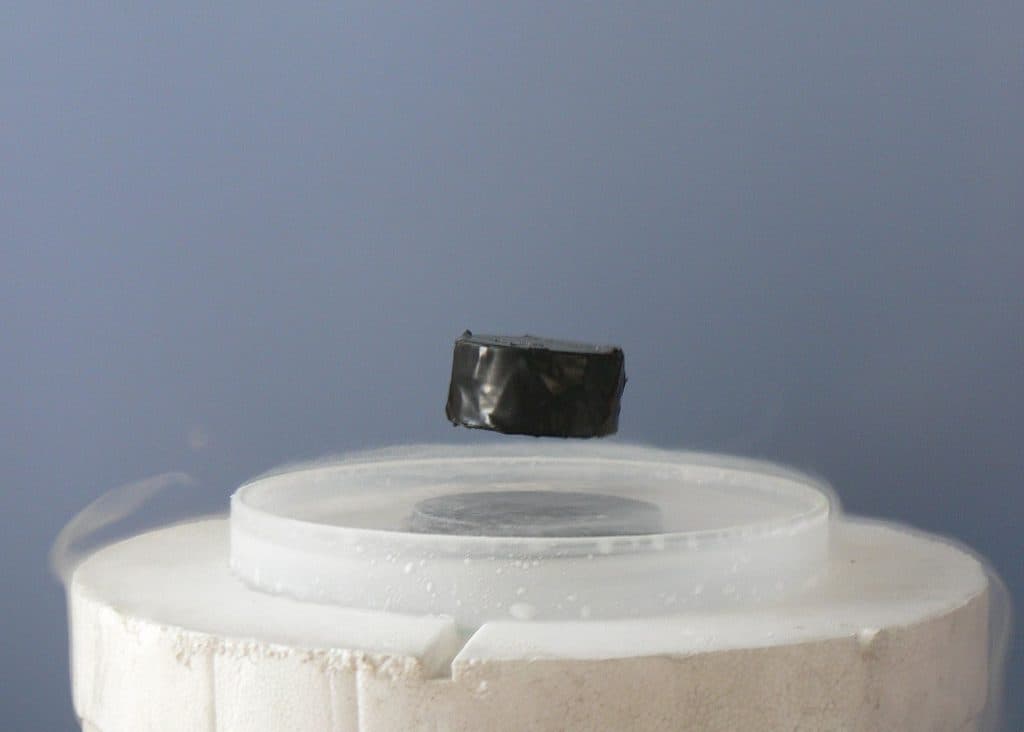
According to Reuters, GKN Powder Metallurgy, part of the British Dowlais Group, has scrapped plans to build a rare earth magnet factory. This is a setback for Europe as it seeks to gradually reduce its dependence on China for processing these materials.
China controls around 90% of processed rare earth products and roughly 70% of their mining (shares vary depending on the specific element). The European Union is seeking to change this through investment. GKN Powder Metallurgy had planned to produce rare earth magnets in Europe after operating a pilot plant in Germany since 2024. However, no site had been selected for the final factory. The company was reportedly also considering options in North America. It now appears likely to reassess its activities in this sector, at least for the time being.
The economics of these projects are uncertain, particularly because of price competition from China and reliance on long-term offtake guarantees.
Last year, the company and its parent were acquired by Detroit-based U.S. auto parts manufacturer American Axle & Manufacturing. Following the acquisition, plans to build factories of this kind in Europe were deemed outside the company’s core strategy and put on hold. It is not yet clear what will happen to the pilot plant in Germany. The acquisition was completed in early February and was valued at 1.44 billion dollars.
This development weakens the EU’s efforts to build a domestic processing chain for critical raw materials.
Impact on the EU
By 2030, the EU has set a target of locating 40% of critical materials processing capacity, including for rare earths, within the bloc. The Critical Raw Materials Act (CRMA) also aims to ensure that 10% of annual extraction and 25% of recycling take place within the EU. Another target stipulates that no more than 65% of the annual consumption of any individual critical material may come from a single third country. However, dependence is not limited to China. The Democratic Republic of the Congo, for example, plays a key role in cobalt supply.
GKN also worked with Ionic Technologies, a start-up that developed a process for recycling permanent magnets. Ionic operates a pilot plant in Belfast. According to Reuters, GKN informed Ionic in December that it was halting magnet production, having first delivered one test batch. GKN also had preliminary supply agreements with some companies in the German automotive industry.
The impact on European industry is unlikely to be significant immediately, as the project had not yet reached full production. Rather, this represents a further loss of potential in the sector.
Currently, only one major producer of rare earth permanent magnets operates in the EU: Canadian company Neo Performance Materials in Narva, Estonia. The company plans to reach a capacity of up to 5 000 tonnes per year. However, this is significantly below current and projected European demand, which is expected to grow particularly as electric mobility and renewable energy sources expand.
The cancellation of the GKN project is therefore not an immediate shock, but it confirms a structural problem: without greater support and a stable customer base, building European rare earth capacity remains economically fragile.
Translation disclaimer
This article is a machine translation of the Czech original and has not yet been fully reviewed. In case of any doubt, please refer to the Czech version.




