7 October 2026, 19:33
Loading...
Germany wants to accelerate distribution grid modernization. New package of measures to be presented by year-end

David Vobořil
9 July 2026, 13:18
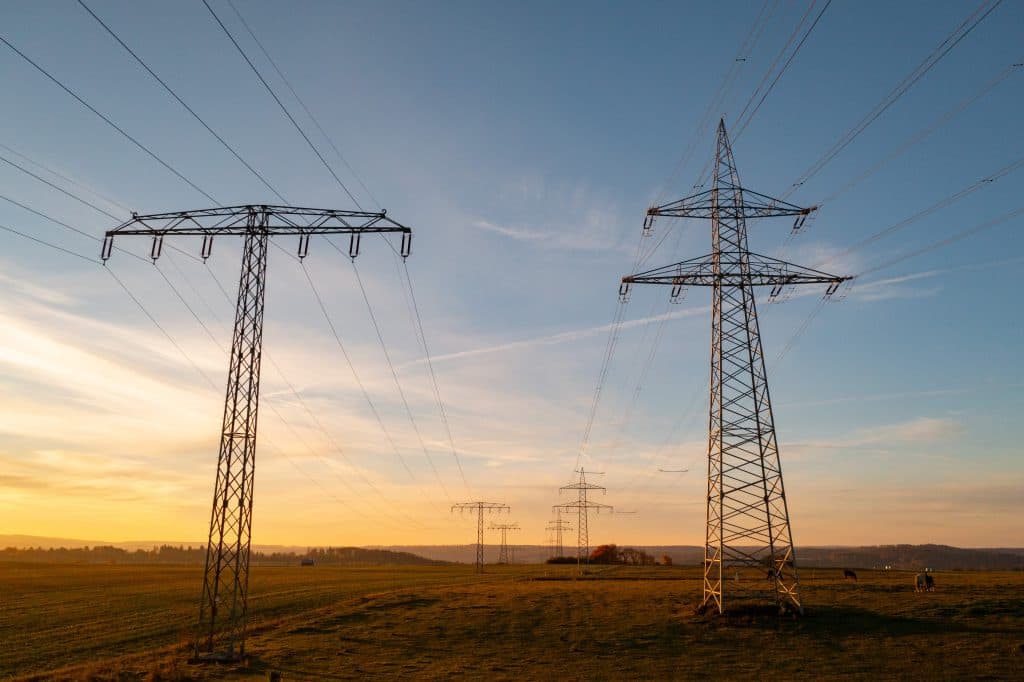
The German government is preparing a wide-ranging package of measures aimed at significantly accelerating the development of electricity distribution grids. The goal is to halve the time needed to prepare and build projects, support grid digitalization and make it easier to connect renewable energy sources, battery storage systems and heat pumps. The plans also include faster deployment of smart meters, whose rollout in Germany lags significantly behind the European average.
The German government has agreed to prepare a legislative package to support the development of distribution grids. The package is intended to accelerate the construction, modernization and digitalization of distribution grids. The government plans to present the proposal by the end of this year. According to a joint statement by the coalition parties, growing electrification will require a significantly faster pace of development for distribution infrastructure.
“Renewable energy sources and energy storage systems, industrial facilities, data centers, charging infrastructure, heat pumps—all of these need to be connected to the electricity grid. … It is therefore essential to accelerate the expansion of the distribution grid in particular,” said Chancellor Friedrich Merz’s conservatives (CDU/CSU) and the Social Democrats (SPD).
One of the main goals of the planned reform is to cut the time needed to deliver distribution grid projects by around half. The package is also intended to simplify permitting processes and create more favorable conditions for financing investments.
While German energy policy in recent years has focused primarily on developing the transmission system, distribution grids are becoming increasingly important. They are key infrastructure for connecting decentralized renewable energy sources and new points of consumption. In many regions, insufficient distribution grid capacity is currently slowing the connection of solar power plants, battery storage systems and charging stations.
Limiting device power draw and compensation for renewables
Germany therefore introduced rules in 2024 allowing distribution grid operators to temporarily limit the power drawn by newly connected heat pumps or electric vehicle charging stations in the event of local grid congestion. The measure is intended to prevent grid overload during peak demand while enabling new devices to be connected more quickly without the need to build new infrastructure immediately.
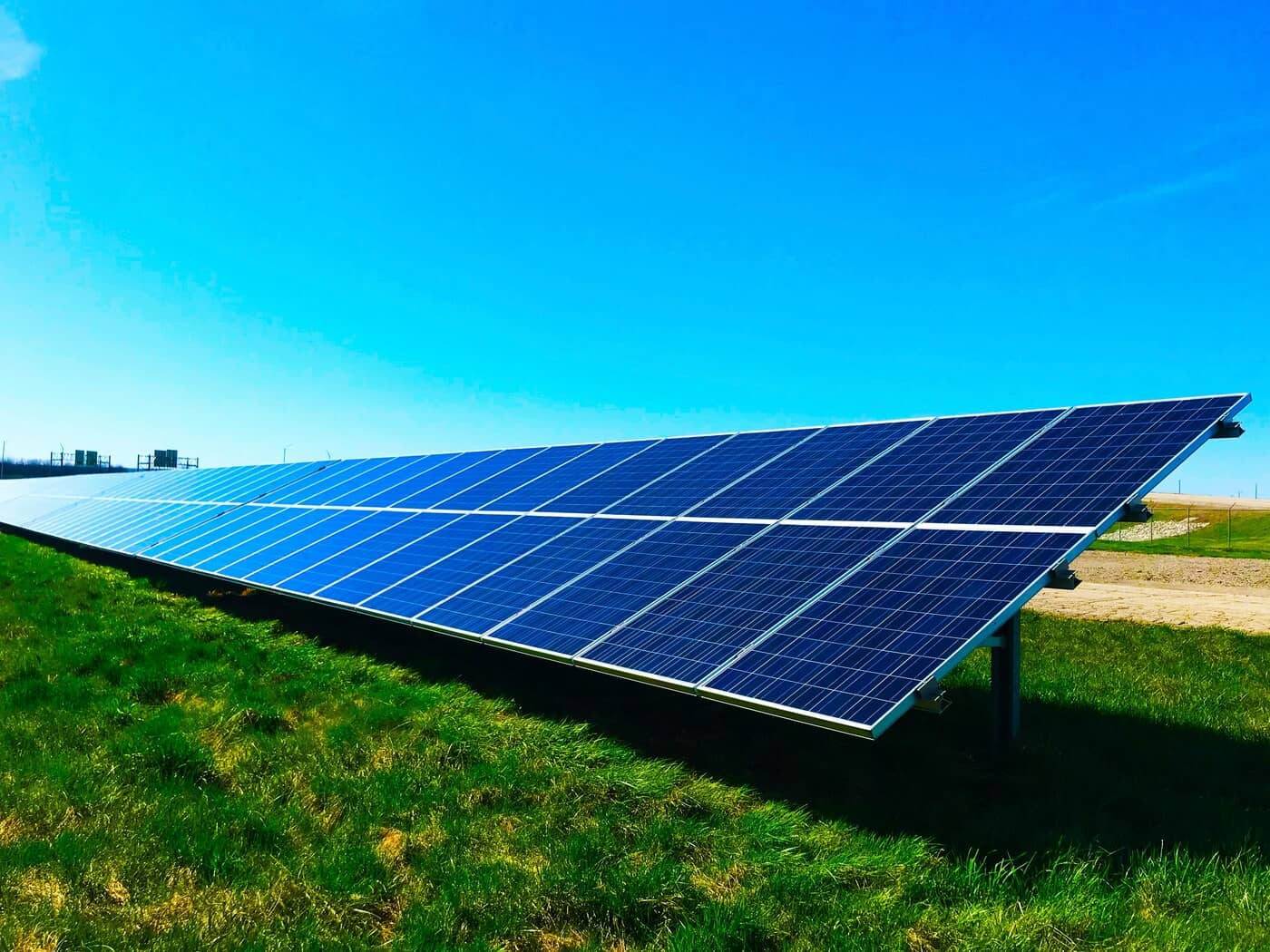
Solar power plant. Source: Unsplash
The German government is also considering an amendment to energy legislation that would better align the pace of renewable energy development with the capacity of electricity grids. Under earlier proposals, compensation for the forced curtailment of renewable generation in areas with grid congestion could, for example, be reduced, or investors in new renewable energy projects could be required to co-finance grid investments. However, renewable energy representatives have criticized these proposals, arguing that they could increase investment risks for new projects and slow their development.
The German plans also follow the European Commission’s grid package, approved in December. It includes proposals to speed up permitting, support investment in electricity grids and create the conditions for faster electrification of industry, transport and heating. The European Commission estimates that member states will need to invest hundreds of billions of euros in electricity grids to accommodate the expected growth in electricity consumption.
Germany itself faces an exceptionally costly modernization of its distribution systems. According to estimates by German grid operators and industry organizations, their development will require investments of several hundred billion euros by the middle of the century.
Developing “smart” meters
The German package will also support the rollout of a simpler version of smart meters known as Smart Meter Light. It is intended to make it easier to digitalize smaller consumption points and enable wider use of dynamic tariffs.
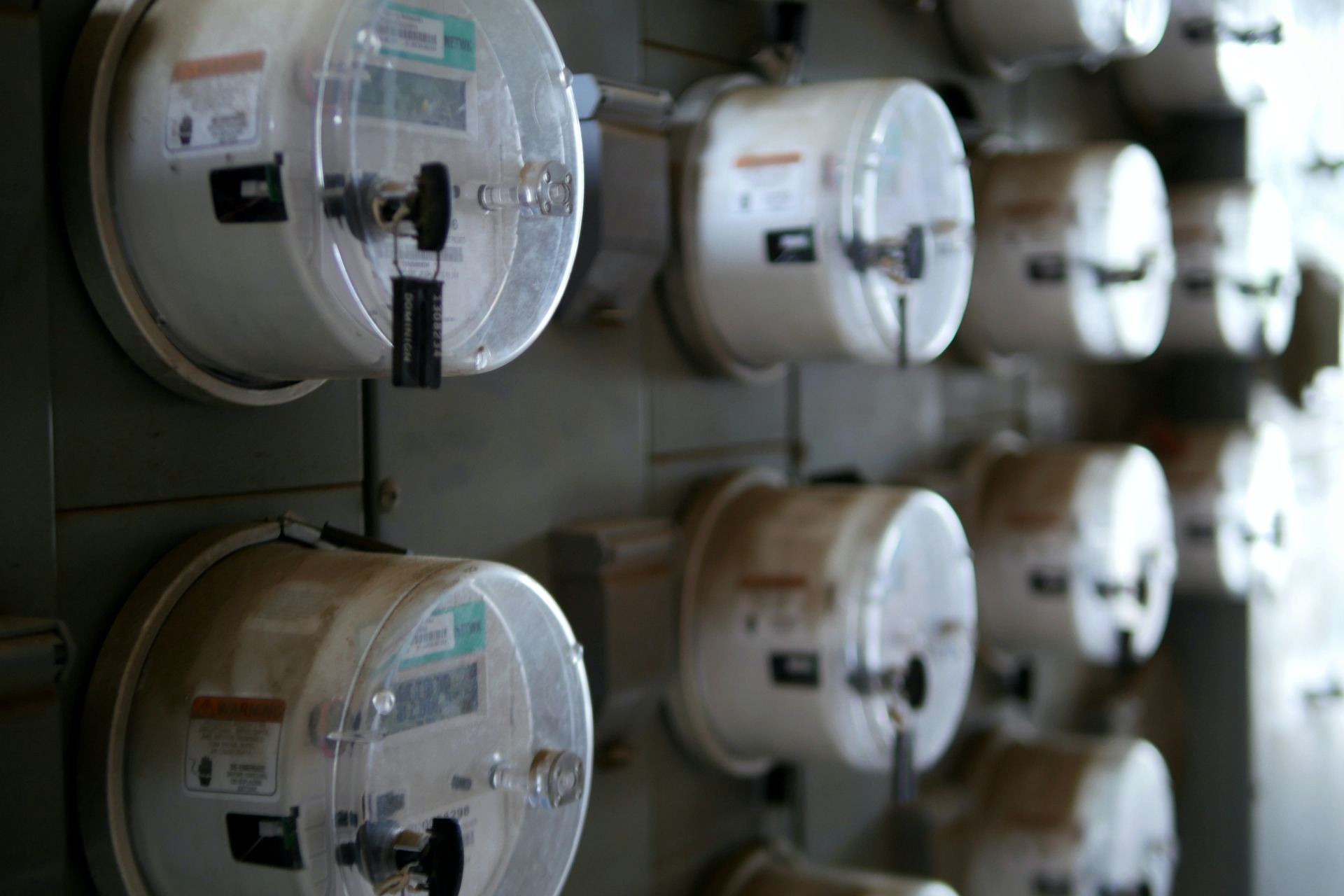
Electricity meters. Source: Pixabay
Germany is significantly behind most of the European Union when it comes to smart metering. According to a European Commission report, only 5.5 % of German consumption points had a smart meter at the end of 2025, compared with a European average of around 63 %. At the beginning of this year, Germany’s grid regulator, the Federal Network Agency (Bundesnetzagentur, BNetzA), warned that almost 85 % of metering point operators had failed to meet statutory quotas for smart meter installations by the end of 2025. Most therefore face administrative penalties.
What is a smart meter?
A so-called smart meter continuously measures electricity consumption and stores the data in its memory at regular intervals, for example every 15 minutes. Standard meters, by contrast, are read once a year, and consumption profiles are calculated using statistical methods based on measurements from so-called typical customers with similar consumption patterns. In this case, therefore, information on consumption patterns is not available for individual consumers.
Smart meters are essential for using consumer flexibility through so-called flexibility aggregators or dynamic tariffs, where consumption can be adjusted to current market prices. For example, consumption can be shifted from periods of low renewable generation and higher prices to periods with a generation surplus or lower electricity prices.
Translation disclaimer
This article is a machine translation of the Czech original and has not yet been fully reviewed. In case of any doubt, please refer to the Czech version.
Sdílejte článek prostřednictvím:
You might also like
7 October 2026, 16:15
7 October 2026, 11:20