Italy and Germany plan giant hydrogen pipeline to Africa
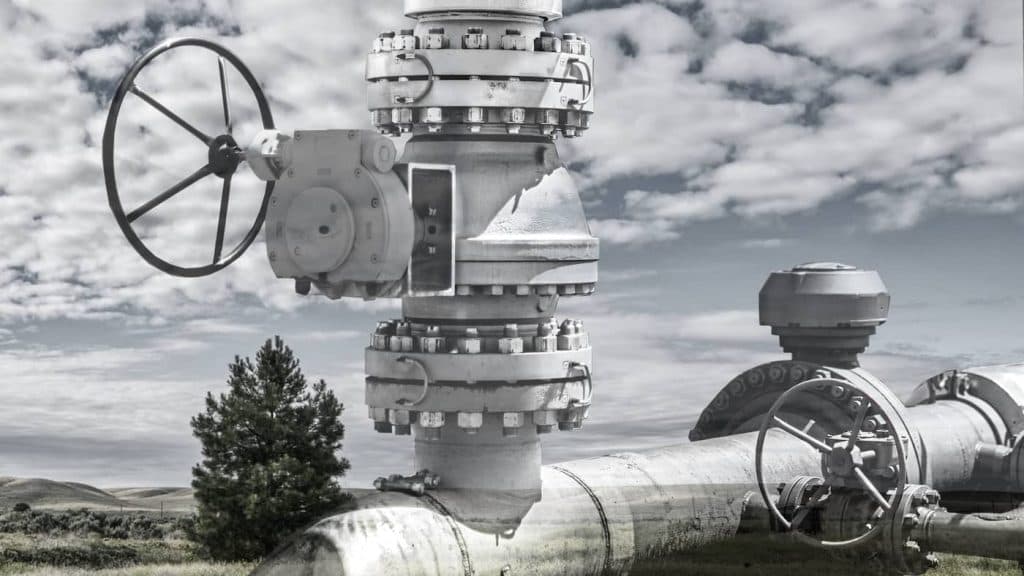
Germany plans to work with Italy to adapt existing gas pipelines to transport hydrogen, securing supplies of clean hydrogen from Tunisia. The “pipeline across the Alps” is expected to help Germany decarbonize industry. In addition to its own European hydrogen production, Germany is also planning imports from countries outside the EU, reports Euractiv.
German Chancellor Olaf Scholz met Italian Prime Minister Giorgia Meloni in Berlin on Wednesday, 22 November. At the meeting, they also pledged to work closely together on energy matters.
Italy and Germany plan to adapt the existing network of gas pipelines running across the Alps so that it can transport hydrogen. Germany plans to consume up to 4 million tonnes of hydrogen per year by 2030, and expects to import half of that volume. More broadly, Germany has shown growing interest in the African continent’s energy sector, particularly since turning away from Russia.
“It is especially important to expand the southern gas and hydrogen corridor,” Olaf Scholz said after the meeting.Both countries intend to become pioneers of a “new pipeline across the Alps” from Bavaria to Tunisia, which will “increase the security of supply for both our countries”, the chancellor said. He also plans to sign a gas supply agreement between the two countries soon.
This commitment builds on the existing network of pipelines carrying natural gas from Tunisia to Bavaria. The project to convert it for hydrogen transport is known as the South Central Corridor. It was first presented by the energy ministers of Austria, Italy and Germany in a letter sent to Brussels in May, and envisaged the transport of more than 4 million tonnes of hydrogen per year.
The project is also described in a Clean Hydrogen Alliance document from March 2023. It examines corridors for importing hydrogen into the EU, assesses their potential and bottlenecks—including storage options along their routes—and provides basic recommendations for possible further development.
“The aim of the South Central Corridor is to expand cross-border pipeline infrastructure and import 10 million tonnes of hydrogen by 2030,” the plan states.

The German government has also confirmed interest in this volume of hydrogen. According to a government document, the planned pipeline will connect demand centers in Italy, Germany, Austria and Switzerland and help create a larger European hydrogen network.
The companies involved say that 70% of existing gas pipelines can be converted to transport hydrogen, but it is not yet clear whether Tunisia can supply sufficient quantities of gas.
Tunisia aims to produce 8,3 million tonnes of hydrogen per year by 2050, the country’s energy minister said. A study by Germany’s Fraunhofer Institute estimates the country’s production potential at 11 million tonnes per year.
Translation disclaimer
This article is a machine translation of the Czech original and has not yet been fully reviewed. In case of any doubt, please refer to the Czech version.




