11 October 2026, 08:24
Loading...
New gas-fired power plants in Germany face further delays as support scheme remains unclear

David Vobořil
24 March 2026, 06:10
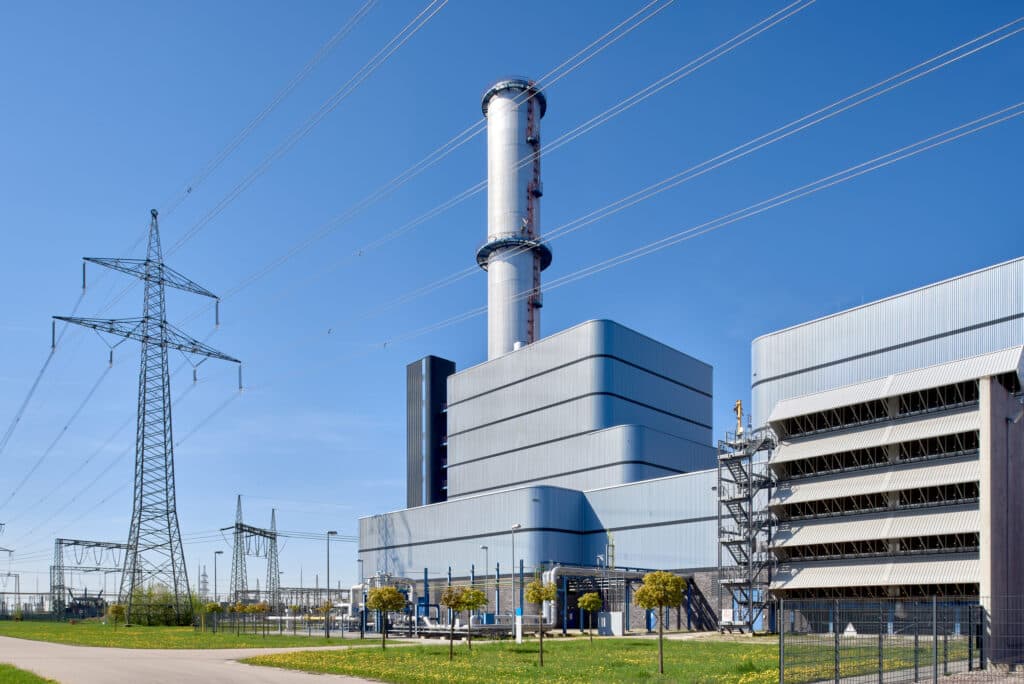
Highly anticipated auctions for new backup gas-fired power plants in Germany, which are intended to ensure stable electricity supplies as the share of renewables grows and coal-fired power plants are phased out, could be delayed further. Germany has yet to submit the relevant draft law to the European Commission. The key issue remains the unclear design of the support mechanism. The news magazine Der Spiegel reported.
Planned auctions for the construction of new gas-fired power plants in Germany, which are to serve as backup sources during periods of low renewable energy output, are likely to be delayed once again. According to available information, preparations for the auctions are running into uncertainty over the design of the support scheme.
As coal-fired power plants are phased out, Germany needs backup power plants to meet demand during periods of low electricity generation from wind and solar power. To this end, Germany plans to bring 12 GW of dispatchable capacity online, mostly gas-fired power plants, which are to be converted later to burn hydrogen.
Since these power plants will operate only for limited periods, running them under market conditions would not be economically viable. Germany therefore plans to support them with public funds and award the support to bidders through an auction mechanism.
In January, the EU agreed in principle to state aid for these gas-fired power plants, but Germany has yet to complete the regulatory framework for the auctions. Technical issues include legal guarantees to ensure that at least some of the power plants are built so they can later be converted to run on hydrogen. The Ministry of Economic Affairs has therefore said the auctions could be delayed until the summer.
The auctions were first proposed by the previous government, specifically by Robert Habeck of the Green Party, but have been postponed several times. Reasons include the premature end of the previous government, as well as current Economy Minister Katherina Reiche’s unsuccessful bid to expand the support to 20 GW of installed capacity, rather than 12 GW.
Germany’s coal phase-out under threat
Germany’s 2020 coal phase-out law sets a deadline of 2038 at the latest for ending coal-fired power generation. In the western part of the country, an earlier deadline around 2030 had been envisaged. However, a shortage of backup capacity is making this plan increasingly unrealistic.
Delays in building the gas-fired power plants will therefore raise further concerns about this target for western Germany. Energy industry representatives have previously warned that it will take at least five years to build new gas-fired power plants.
Energy law experts have long argued that, given the lengthy process, it is unlikely the first auctions will begin before the end of 2026. The Environment Ministry, led by Social Democrat Carsten Schneider, said it was waiting for a proposal from the Ministry of Economic Affairs before government coordination could continue, Spiegel reported.
Translation disclaimer
This article is a machine translation of the Czech original and has not yet been fully reviewed. In case of any doubt, please refer to the Czech version.
Sdílejte článek prostřednictvím:
You might also like

10 October 2026, 13:19

10 October 2026, 07:37

10 October 2026, 07:02