
23 October 2026, 14:38
Loading...
Top 10 energy stories from the past week
oEnergetice.cz
8 December 2025, 01:53
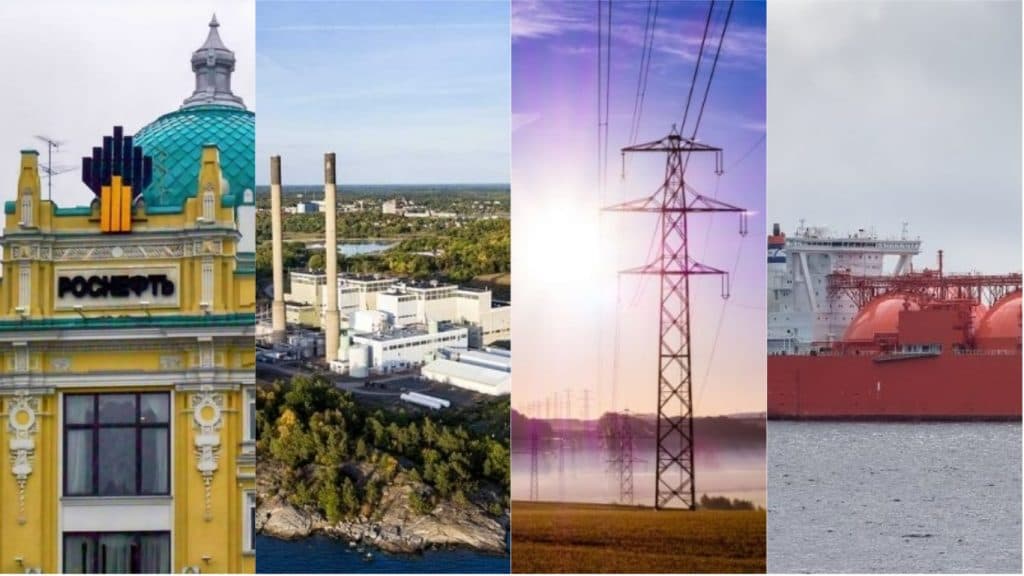
This week, we once again bring you a carefully selected list of the ten most important articles published on oEnergetice.cz. If you missed any of them, here is a selection of the stories that attracted the most interest from our readers. Best of luck in the new week!
1. IEA chief strongly criticises European energy policy

According to International Energy Agency (IEA) chief Fatih Birol, Europe is paying an unnecessarily high price these days for a poorly designed energy policy. Birol made these critical remarks about Europe just hours after the EU finally agreed to ban all imports of Russian gas.
In an announcement published on 3 December, the Council of the European Union reached an agreement with the European Parliament to end gas imports from Russia by autumn 2027. For long-term contracts to purchase and import natural gas via pipeline, the ban will enter into force on 30 September 2027, provided member states are on track to meet the gas storage filling targets set out in the Gas Storage Regulation, and no later than 1 November 2027. This will bring to an end six decades of trade relations which, in Fatih Birol's words, have put the EU “in a very bad situation”.
Read the full article HERE.
2. Gas flows from Russia to the EU are stable, but half last year's level
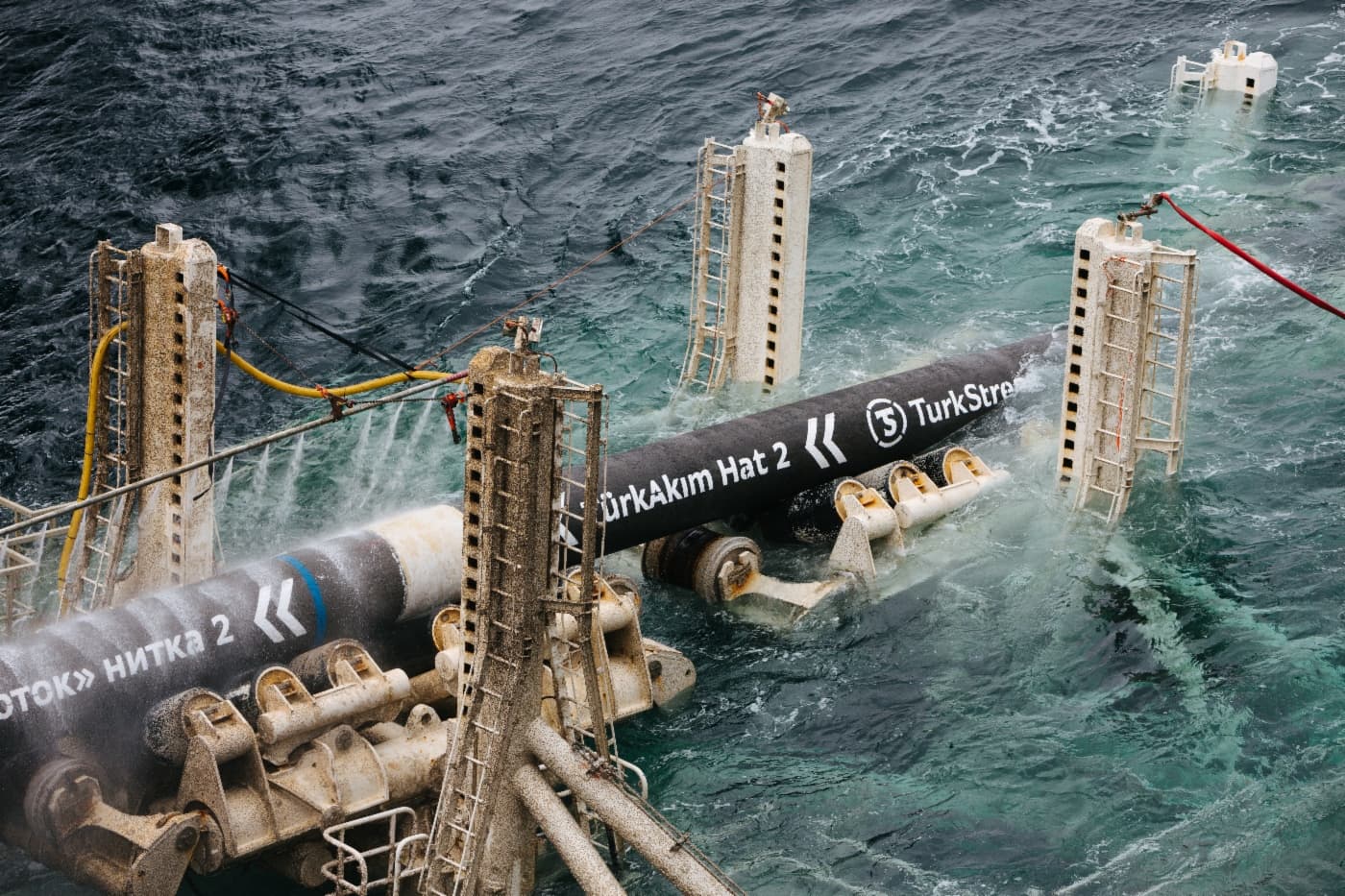
Russian natural gas supplies to the EU via pipelines are continuing, with November volumes comparable to those in October. Following the end of transit through Ukraine at the start of the year, the last route for Russian gas flowing to the EU is the TurkStream pipeline, which brings gas through Turkey to Bulgaria and beyond. Russia continues to supply Europe with additional gas in liquefied form (LNG), although the EU plans to end supplies in both cases in the near future.
As winter gas demand gradually picks up during the heating season, pipeline gas supplies are one of the key factors affecting prices on European markets. However, as flows from Russia—which was Europe's dominant gas supplier before the war in Ukraine began—have gradually declined, the share and importance of liquefied natural gas (LNG) supplies have also increased.
Read the full article HERE.
3. Germany's battery storage boom: A look at the biggest projects

Germany's market for stationary battery energy storage systems (BESS) is entering a new phase of rapid expansion. This article presents the largest projects that have already reached a final investment decision (FiD).
Publicly confirmed projects make it possible to rank the five largest BESS in Germany by capacity. These projects represent not only different approaches to the technology, but also different types of investors.
Read the full article HERE.
4. Belgium permanently shuts down Doel 2 reactor after 50 years of operation

The second unit of the Doel nuclear power plant in Flanders, Belgium, was permanently disconnected from the grid after 50 years of operation. This follows Belgium's shutdown of the first unit at the Tihange nuclear power plant in September this year. The end of electricity generation by this reactor was planned under the national policy of phasing out nuclear energy. Doel 2 is the fifth Belgian reactor to close, after Doel 3, Tihange 2, Doel 1 and Tihange 1.
The shutdown of Doel 2 was originally mandated by Belgian legislation on the phase-out of nuclear energy, which has since been revised. However, the Doel 2 plant no longer meets the statutory safety requirements for nuclear facilities, making further operation impossible.
Read the full article HERE.
5. Temelín nuclear power plant is gradually switching to a new control system
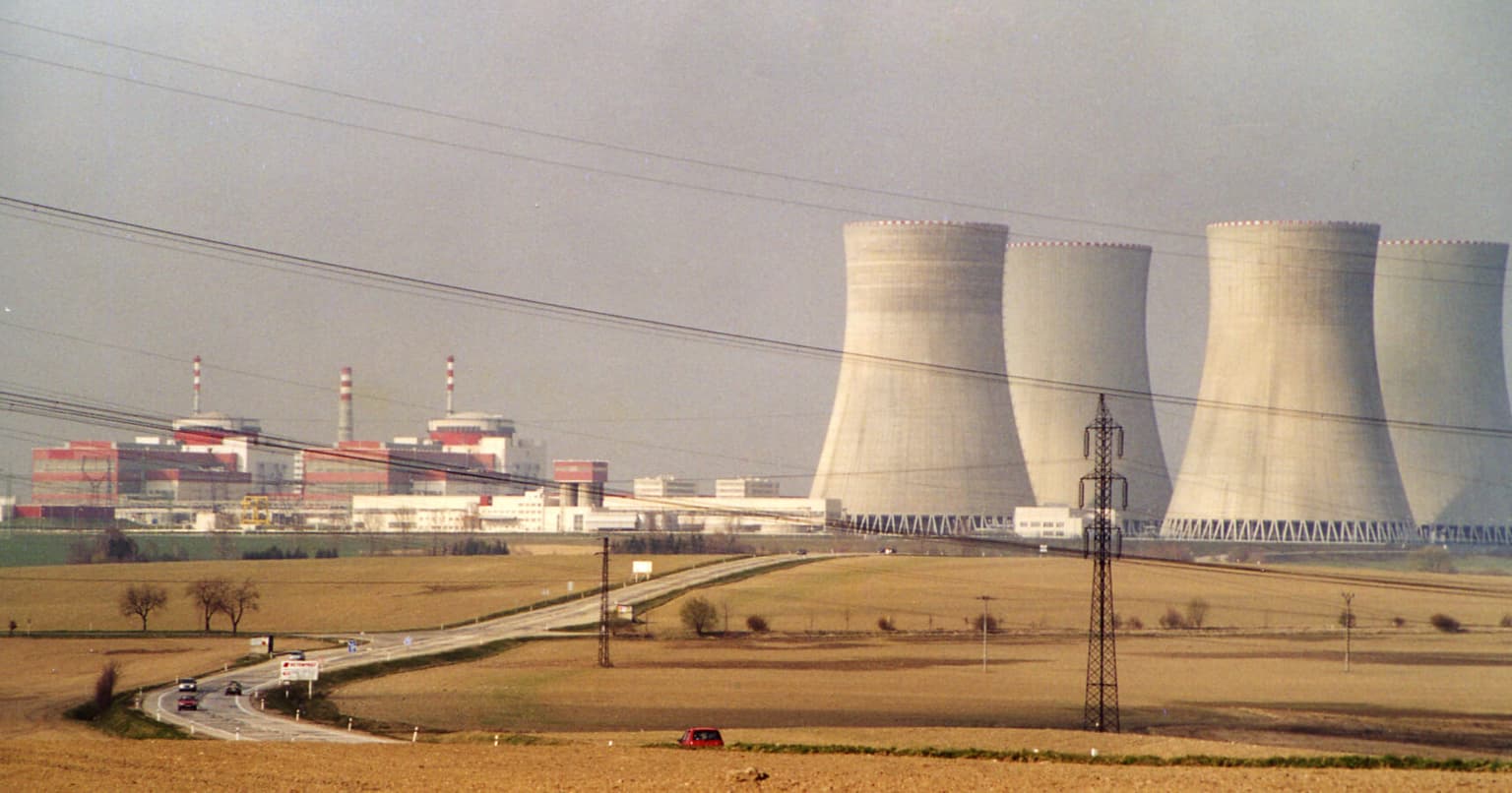
Temelín nuclear power plant is switching to a new control system. The modernisation, which began three years ago, will be completed in 2028. The new control system, intended to help ensure the plant can operate for at least 60 years, is being supplied to Temelín by US company Westinghouse. Plant spokesperson Marek Sviták announced the news in a press release.
According to Temelín plant director Jan Kruml, the transition to the new system is gradual and is being carried out during outages. “We have transferred all monitoring and control functions in the Unit 1 control room to the new system. Around one third of the automatic control functions have been transferred. These include, for example, control of the circulating cooling water pumps and spent fuel pool cooling. Other parts of the plant will follow during subsequent outages,” Kruml said.
Read the full article HERE.
6. Commission: Ban on combustion engines by 2035 remains in force

The European bloc is entering a decade that will be crucial for climate action and emissions reductions. The Commission is unlikely to ease legislation on reducing road transport emissions, despite political pressure from some member states.
Euractiv asked European Commission transport spokesperson Anna-Kaisa Itkonen about the planned ban on the sale of cars with combustion engines. Brussels insists that the transition to zero-emission mobility remains essential for Europe's competitiveness. Itkonen again confirmed that the EU is “staying the course” on banning the sale of new petrol and diesel cars from 2035, despite the issue being reopened at the instigation of German Chancellor Merz.
Read the full article HERE.
7. Energy association: Companies agree with Havlíček on government energy priorities
Measures to reduce energy prices for households and industry, as well as the construction of new generation sources—including the accelerated introduction of capacity mechanisms—are among the main priorities agreed at today's meeting by representatives of the country's largest energy companies and likely future Minister of Industry and Trade Karel Havlíček (ANO). The Czech Energy Association (SEČR) told the Czech News Agency (ČTK). According to the association, Havlíček confirmed at the meeting, for example, the new government's intention to transfer all charges for supported energy sources (POZE) to the state, as well as to continue investing in new nuclear and renewable sources and in grid modernisation.
The association brings together key players in the country's electricity, gas and heat sectors, as well as other industries. It currently has more than 60 members with over 100,000 employees, including the largest energy producers, distributors and suppliers in the Czech Republic.
Read the full article HERE.
8. China begins building new nuclear units at San'ao and Zhaoyuan plants

Technicians in China have officially begun construction of two more Hualong One nuclear units. The first is at the new Zhaoyuan nuclear power plant, which will have six reactors in total. The second unit will be built as part of the second phase of the San'ao nuclear power plant. Chinese-designed Hualong One units have an installed capacity of around 1.2 GW. The planned construction period is 5 years.
Construction of new Chinese Hualong One nuclear units has reached two important milestones. In the second half of November, technicians officially began construction by pouring the first concrete at two sites: the first unit at the new Zhaoyuan plant in Shandong province and the third unit at the San'ao nuclear power plant in Zhejiang province. The Chinese government approved construction of both nuclear units in August last year.
Read the full article HERE.
9. Survey: Czechs want energy self-sufficiency and support a mix of nuclear and renewables
Czechs want the country to be energy self-sufficient; most believe dependence on energy imports would increase the risk of higher prices and supply instability. They consider a combination of nuclear power and renewables the ideal energy mix, while support for coal- and gas-fired generation is declining. These are the findings of a survey by Ipsos for energy company ČEZ.
According to the survey, which involved 500 respondents, 93 percent agreed that the country needs to be self-sufficient in electricity generation. “The demand for energy self-sufficiency has long been very strong in the Czech Republic, across all socio-demographic groups. This view grew even stronger after the war in Ukraine began and during the subsequent energy crisis,” said Michal Straka, Ipsos energy research consultant.
Read the full article HERE.
10. Geographic information system at NET4GAS: A digital pillar of gas infrastructure and the energy transition

At first glance, gas infrastructure is invisible: pipes hidden underground, kilometres of pipelines, and thousands of facilities and structures. Yet it is one of the most important systems underpinning the Czech Republic's energy security. To ensure that everything works precisely, safely and without interruption, the operator of the gas transmission system, NET4GAS, needs not only reliable technology in the field, but also a clear picture of where every component is located, its condition and how the various parts are connected.
The gas system's digital tool is the Geographic Information System (GIS), which has become a key pillar at NET4GAS for modern system management, spatial analysis, safety management and project preparation—including the conversion of gas pipelines to transport hydrogen and the possible development of CO₂ infrastructure in the future.
Read the full article HERE.
Translation disclaimer
This article is a machine translation of the Czech original and has not yet been fully reviewed. In case of any doubt, please refer to the Czech version.
Sdílejte článek prostřednictvím:
You might also like


23 October 2026, 11:01


23 October 2026, 06:34