11 October 2026, 08:24
Loading...
Geothermal energy as an ideal source for data centers?

Marek Kršák
7 August 2025, 13:34
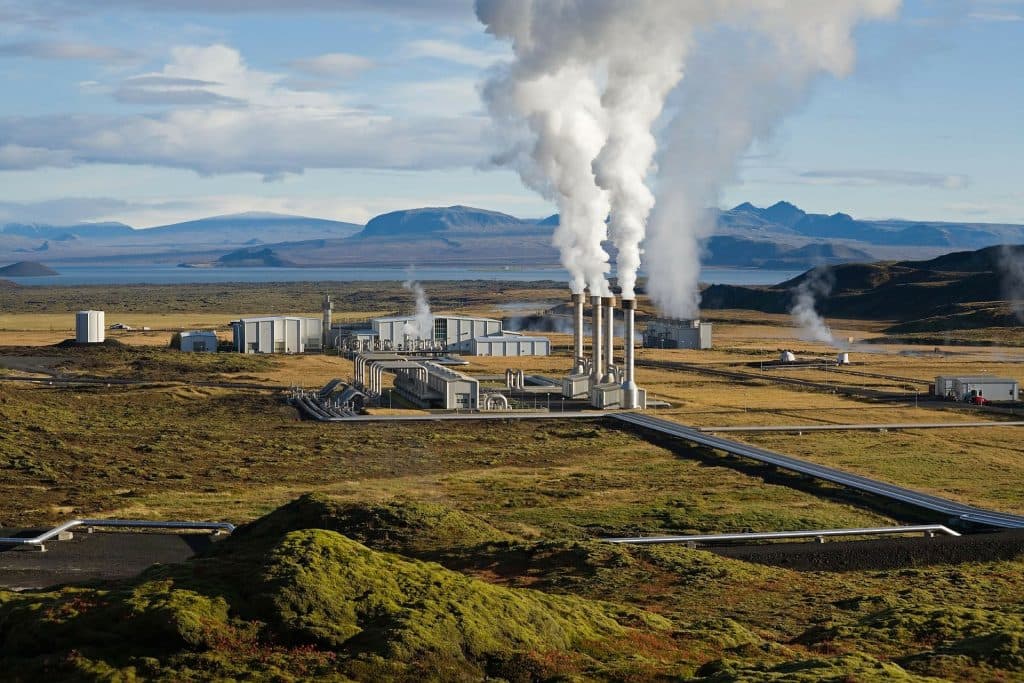
A debate about geothermal energy is currently underway in the United States. Given its enormous potential, it is considered one of the most promising sources of clean energy for the future. It could even meet the rapidly growing demand for energy consumed by data centers. This is reflected in the fact that companies such as Google and Meta have already signed agreements to use geothermal resources for their energy-intensive AI and cloud facilities.
Geothermal energy harnesses heat from the Earth's crust to turn water into steam, which drives turbines to generate electricity. It has been used for more than a century, but its application has been limited to places where hot water reaches the Earth's surface, including hot springs.
A new technology can now generate energy anywhere. It uses the same principle as fracking: horizontal drilling can reach hot rocks deep underground. So far, these wells have been located only in the western United States. One of Fervo Energy's most promising geothermal projects is in Utah. There are plans to gradually introduce the technology in the east of the country as well. The fracking boom has helped put the United States at the forefront of using this technology to extract heat from underground.
The use of geothermal energy through this method is still in its infancy, as shown by the fact that only 1% of electricity in the United States is currently generated this way. Given the high capital costs of the process, it is not currently able to compete with coal and natural gas. However, it is expected to be cost-competitive by 2030 compared with the country's average electricity generation costs.
Trump is reportedly putting obstacles in geothermal energy's way
Former Department of Energy officials are concerned, however, that U.S. President Donald Trump is not willing to make full use of this potential, despite geothermal energy enjoying significant bipartisan support compared with other renewable sources of clean energy. But drastic cuts to Department of Energy staff, delays in issuing low-interest loans and tariffs are creating uncertainty in this segment of the energy sector.
Although U.S. emissions have fallen over the past two decades, the country is unlikely to meet its climate targets. The rapid growth of artificial intelligence data centers is putting those targets at even greater risk. The main challenge is that these facilities consume energy almost continuously. Fossil fuels are currently being used to meet data center demand.
Wider use of geothermal energy could bring about a major shift and help meet the energy demands of data centers.
"To put it in perspective, this energy could cover 100% of the increase in AI data center load over the next 10 years," said Jigar Shah, who served as director of the Department of Energy's Loan Programs Office under Joe Biden.
Several former Department of Energy officials are concerned, however, that the Trump administration will fail to provide the certainty needed to get this emerging industry off the ground.
Under Biden, the Loan Programs Office worked to finalize a low-interest loan for geothermal energy. Similar loans have helped Tesla and solar power plants in the past. But according to Shah, the Trump administration has yet to finalize a low-interest loan for geothermal energy.
Several former Department of Energy officials said staff cuts have reduced the department's ability to support geothermal energy. Thousands of scientists, analysts, engineers and procurement staff accepted deferred resignation offers or were fired.
Trump's enthusiasm for tariffs is heightening concerns in the industry. Steel tariffs, now at 50%, are hurting companies that use steel in wells. Enhanced geothermal wells require kilometres of steel pipes to be installed.
The retention of geothermal tax credits under the Inflation Reduction Act provides investors with certainty. Geothermal energy can still qualify for the full tax credit if construction begins by 2033, when the value of the credit will start to decline gradually.
Translation disclaimer
This article is a machine translation of the Czech original and has not yet been fully reviewed. In case of any doubt, please refer to the Czech version.
Sdílejte článek prostřednictvím:
You might also like

10 October 2026, 13:19

10 October 2026, 07:37

10 October 2026, 07:02