
23 October 2026, 14:38
Loading...
Sweden rejects several wind farms that could undermine its defence capability

Eduard Majling
7 November 2024, 06:32
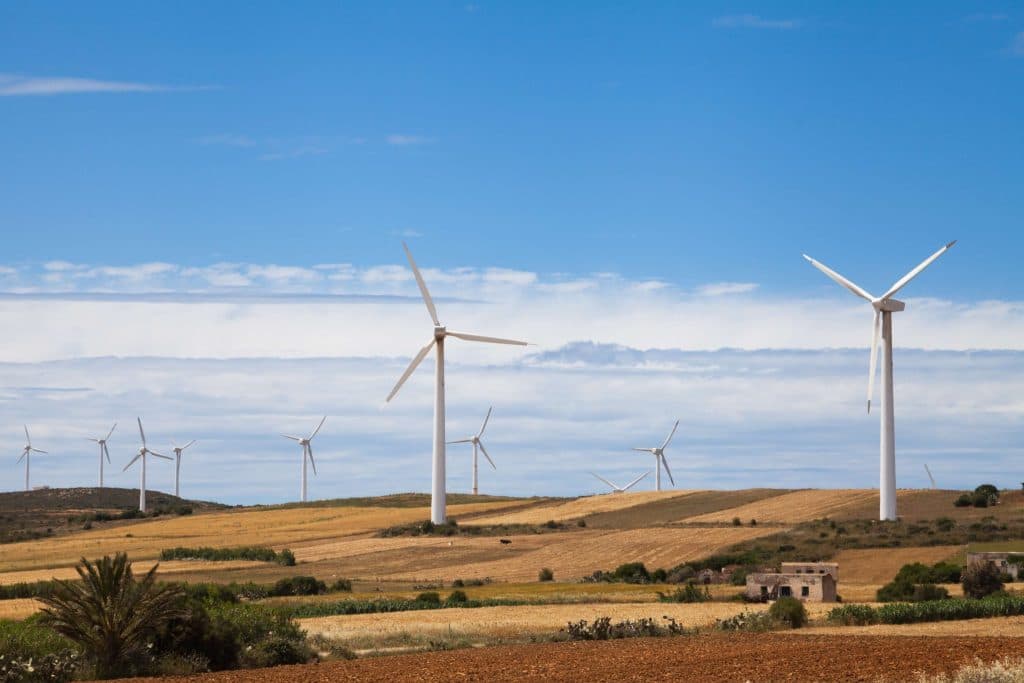
The Swedish government announced earlier this week that it had rejected more than a dozen applications to build wind farms in the Baltic Sea region. In this case, however, the decision to block the wind farms was not driven by environmental protection or protests from local residents. The reason was relatively unusual: safeguarding the country’s defence capability. According to the government, wind farms in the area could reduce the response time to a potential missile attack.
Securing permits to build wind farms has become more complicated in some European countries in recent years. The reasons often include opposition from local residents or environmental regulations. A shortage of permitted projects, for example, has been a problem for Germany in recent years, making it difficult for the country to fill its auctions. Projects can also be cancelled for economic reasons, as was the case with Vattenfall’s offshore wind farm project.
However, Russia’s invasion of Ukraine and the resulting rise in geopolitical tensions in eastern Europe have brought other reasons into play. The Swedish government has now taken the surprising step of rejecting a total of 13 applications for projects in the Baltic Sea region.
According to Reuters, Defence Minister Pal Jonson said the reason was that wind farms in the area could make it harder to detect missiles and shoot them down using missile defence systems. Jonson said the farms could cut Sweden’s response time in half, to just one minute.
“In the current, very serious international security situation, with Sweden where it is and Kaliningrad where it is... the Swedish Armed Forces believe this would pose unacceptable risks, and the government shares that view,” Defence Minister Jonson said, according to Reuters.
Translation disclaimer
This article is a machine translation of the Czech original and has not yet been fully reviewed. In case of any doubt, please refer to the Czech version.
Sdílejte článek prostřednictvím:
You might also like


23 October 2026, 11:01


23 October 2026, 06:34