Vineyard Wind 1: Installation of a new offshore wind farm begins in the US

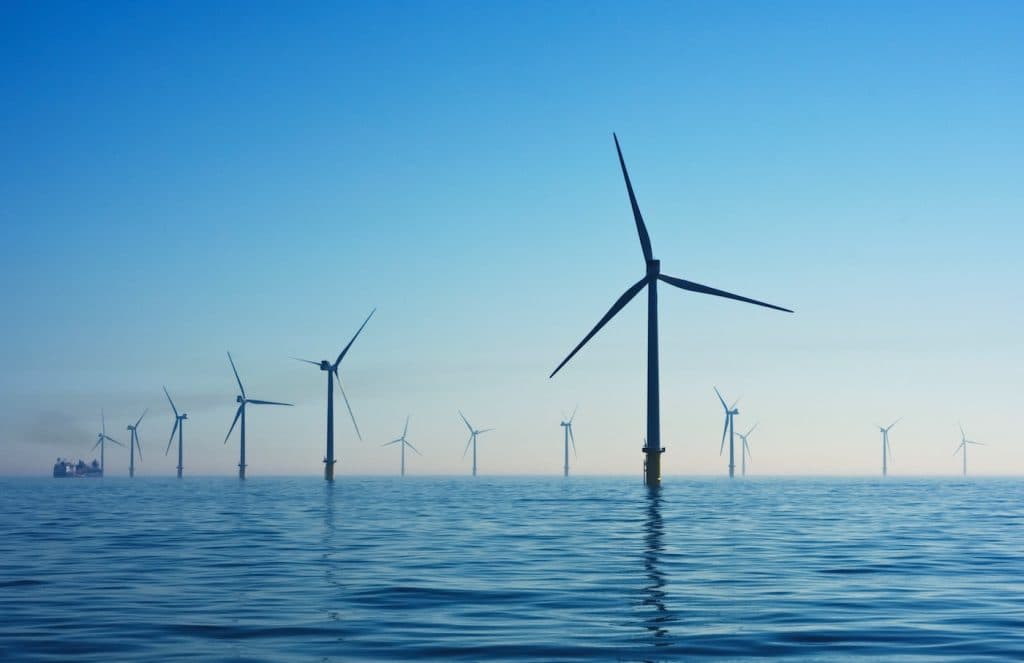
Installation of the first giant turbine for the Vineyard Wind 1 project has begun in the US. The project aims to build a wind farm off the East Coast, specifically near the state of Massachusetts. The offshore wind farm is expected to consist of 62 turbines in total, generating up to 800 megawatts. The US is thus continuing its efforts to develop the offshore wind energy sector, where it lags considerably behind Europe.
The project, described as the industry’s “first commercial-scale” project, aims to supply enough electricity for more than 400 000 households across the state of Massachusetts. This amount of energy will be generated by massive Haliade-X turbines from GE Vernova, which, for perspective, reach heights of up to 260 meters with blades 107 meters long. The first turbine of this type was installed in Rotterdam, the Netherlands.
Haliade-X turbines have an installed capacity of 13 MW and a larger design, meaning fewer installations are needed to achieve the same output. They also have a higher capacity factor than the industry standard. The capacity factor compares the amount of energy actually generated with the maximum amount that could be produced at rated capacity over a given period. The manufacturer gives these turbines an annual capacity factor of 61%.
Vineyard Wind 1 represents a $4 billion investment in renewable energy, with the entire project led by Avangrid. Sources say it will create up to 3600 new jobs and, through clean energy, eliminate more than 1,5 million tonnes of carbon dioxide emissions annually. The wind farm is located approximately 55 kilometers offshore, near the island of Martha's Vineyard, from which it takes its name.
Local fishermen opposed the construction of the wind farm
From an environmental perspective, the emissions figures should be considered alongside the legal proceedings the project went through. Commercial fishing groups challenged the offshore construction project, arguing that it would significantly disrupt the natural habitat of North Atlantic right whales. Another concern was that fishermen would be cut off from valuable fishing grounds.
However, these claims were not proven, so the investors were allowed to proceed with the project, albeit under certain conditions. The company signed an agreement committing to strict construction standards, limiting operations during certain times of the year, and carrying out comprehensive monitoring.
Translation disclaimer
This article is a machine translation of the Czech original and has not yet been fully reviewed. In case of any doubt, please refer to the Czech version.




