11 October 2026, 08:24
Loading...
End of coal in western Germany by 2030 at risk as delays to gas-fired power plants complicate plans

David Vobořil
22 January 2026, 12:42
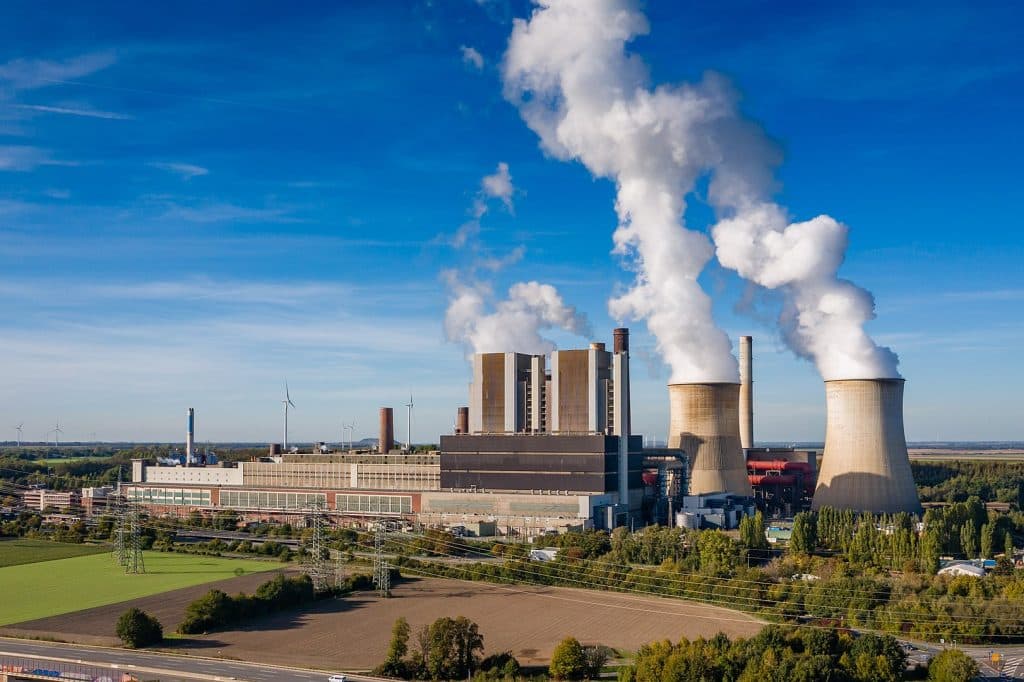
Plans to end coal-fired power generation in western Germany by 2030 are becoming increasingly unlikely, according to energy experts and government sources. The reason is the considerable delay in building new gas-fired power plants, which are intended to replace coal-fired power plants as a backup source during periods of low renewable generation. Without these plants being available on time, moving some coal-fired power plants into reserve may be unavoidable.
The western German state of North Rhine-Westphalia agreed with the German government and energy company RWE back in 2022 to end coal-fired power generation by 2030, eight years earlier than stipulated by Germany’s nationwide coal phase-out law.
However, the agreement assumes that suitable backup capacity—primarily new gas-fired power plants—will be ready to provide power when wind and solar plants are not generating enough electricity. Under the agreement, construction of the backup plants should already be underway. But the planned auctions and subsequent construction of these gas-fired plants are significantly behind schedule.
After previous delays, Economy Minister Katherina Reiche said in November that the first tenders for power plants could be launched in March, but sources close to the ministry told Tagesspiegel Background they would not begin until the summer. Energy law experts have long argued that, given the lengthy process, it is unlikely that the first auctions will begin before the end of 2026.
The government is now seeking to complete new power plants with a total installed capacity of 12 GW by 2031 at the latest through tenders, for which the European Commission has granted preliminary approval for state aid. However, Germany is still awaiting the European Commission’s final approval in the form of a state aid notification.
Plan B: Placing power plants in reserve
The delays increase the likelihood that the fallback option in the agreement between the government and energy company RWE will take effect. RWE operates coal-fired power plants and open-pit mines in the region. The option would see the company’s lignite-fired power plants, with an installed capacity of 3.6 GW, placed in reserve. In its newsletter, RWE said the agreement means its coal-fired power generation activities will end on 31 March 2030, adding that the decision on placing the plants in reserve rests with the government.
Under the agreement, the economy ministry must decide by this summer at the latest whether the power plants will be placed in reserve as of 1 April 2030. The ministry is to base its decision on a report on the consequences of the coal phase-out, which is due to be published this summer.
Former Green Party State Secretary for Economic Affairs Michael Kellner warned earlier this month that continuing to operate coal-fired power plants or keeping them in reserve not only harms the climate but is also very costly.
Translation disclaimer
This article is a machine translation of the Czech original and has not yet been fully reviewed. In case of any doubt, please refer to the Czech version.
Sdílejte článek prostřednictvím:
You might also like

10 October 2026, 13:19

10 October 2026, 07:37

10 October 2026, 07:02