6 November 2026, 14:13
Loading...
Germany will need coal plants on standby until spring 2031, regulator says

Eduard Majling
27 December 2023, 13:41
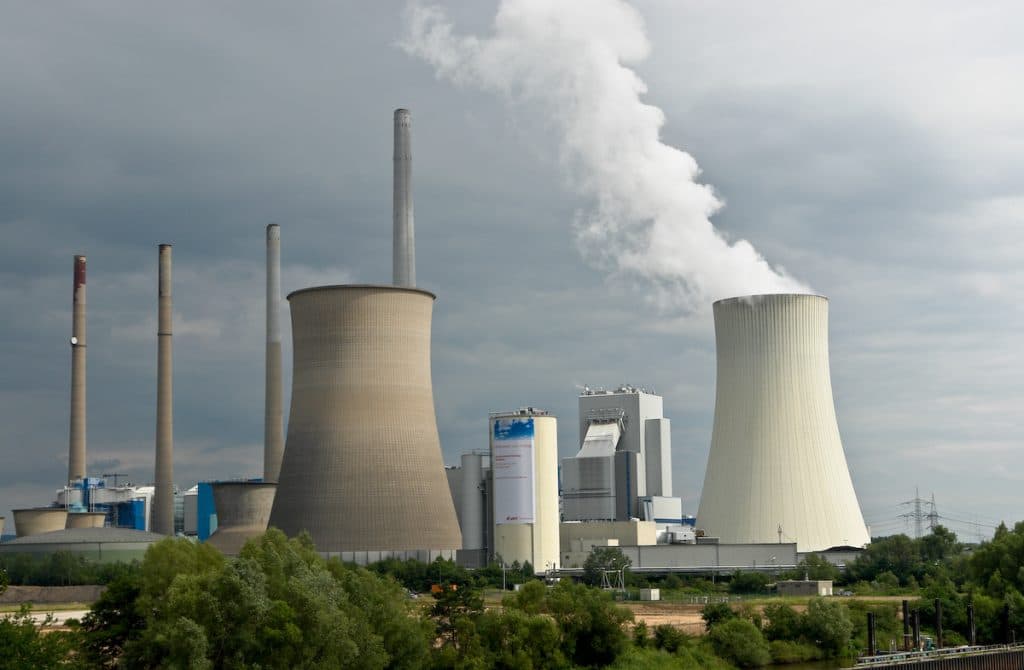
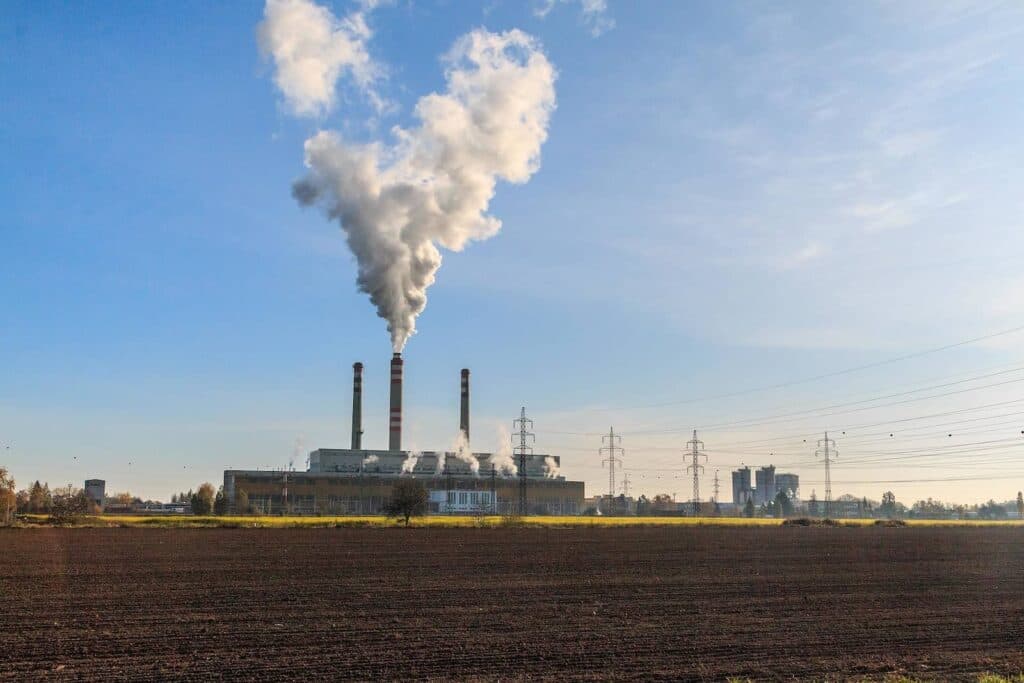
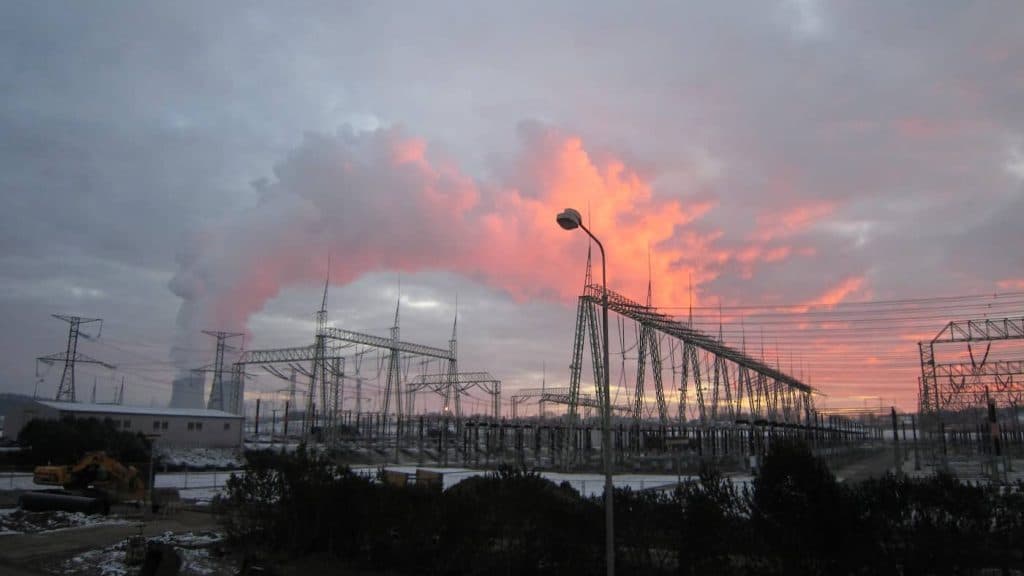
Germany is unlikely to be able to do without coal-fired power plants until at least the beginning of the next decade. According to the country’s grid regulator, they will be needed to ensure security of supply and grid stability. Although coal-fired power generation in Germany has fallen significantly over the past 10 years, it remains essential for covering peak demand and stabilising the grid.
Germany’s transition to renewable energy is tied to the closure of coal-fired power plants. Several years ago, the country set out a clear strategy and measures to help achieve it. One such measure was the establishment of a security reserve, to which several lignite-fired units have been transferred in recent years. Operators of coal-fired power plants also receive further compensation for the early closure of their plants.
Even so, Germany will most likely not be able to do without coal for many years yet. Conventional power plants in Germany also help compensate for insufficient transmission capacity, with the country spending significant sums on redispatch. According to the federal grid regulator, Germany will therefore need coal until at least March 2031. The information was reported by Clean Energy Wire, citing the German newspaper Die Welt.
“They will run only in very rare cases, so they will have no significant impact on our carbon footprint. The intention remains that no coal-fired power plant will be active on the market after 2030,” a spokesperson for the German regulator told Die Welt.
Some German transmission system operators have long called for coal-fired power plants to be kept on standby for longer than planned.
“This is essential to maintaining grid stability today and in the years ahead,” said a spokesperson for TransnetBW, one of the system operators.
The coal phase-out date is uncertain
Like several other countries, Germany has set a deadline for ending the use of coal in the power sector. It is currently set for 2038, although it could be brought forward to 2030. That would, however, depend on the continued construction of renewable and gas-fired power plants, as well as the expansion of the country’s transmission and distribution networks.
According to CLEW, regional governments in eastern Germany have repeatedly rejected the possibility of bringing the deadline forward to 2030, arguing that it could jeopardise security of electricity supply. LEAG recently also commented on operating coal assets after 2030, taking an optimistic view.
Translation disclaimer
This article is a machine translation of the Czech original and has not yet been fully reviewed. In case of any doubt, please refer to the Czech version.
Sdílejte článek prostřednictvím:
You might also like
6 November 2026, 10:25