This article is a machine translation of the Czech original and has not yet been fully reviewed. In case of any doubt, please refer to the Czech version.
This week, we once again bring you a carefully selected list of the ten most important articles we published on oEnergetice.cz. If you missed any of them, here is a selection of the articles that attracted our readers the most. Best of luck in the new week!
Under the European Commission's approval, the Czech capacity mechanism will be fully financed by electricity consumers. The European Commission approved its design with estimated costs of CZK 75 to 150 billion. However, this is not an amount for a single year, but the total support spread over the duration of the competitively awarded contracts, up to fifteen years for new fossil-fuel plants. Payments for the capacity mechanism will gradually replace part of the fees supporting renewable energy sources, whose support will expire after 2030.
The European Commission approved the Czech capacity mechanism in a decision in mid-July. The Czech Republic notified it this April with the aim of ensuring sufficient dispatchable capacity during the rapid phase-out of coal-fired power plants. The Commission concluded that the proposed support is compatible with the internal market.
Oil prices resumed their rise today, gaining around eight percent. The market is responding primarily to the escalating situation in the Middle East following strikes by the US and Saudi Arabian militaries in Iraq and a repelled Iranian missile attack on US forces.
The price of North Sea Brent crude was up 7.9 percent at around USD 90.70 per barrel at about 17:15 CEST. US light crude WTI was gaining 7.5 percent and trading at around USD 85.20 per barrel.
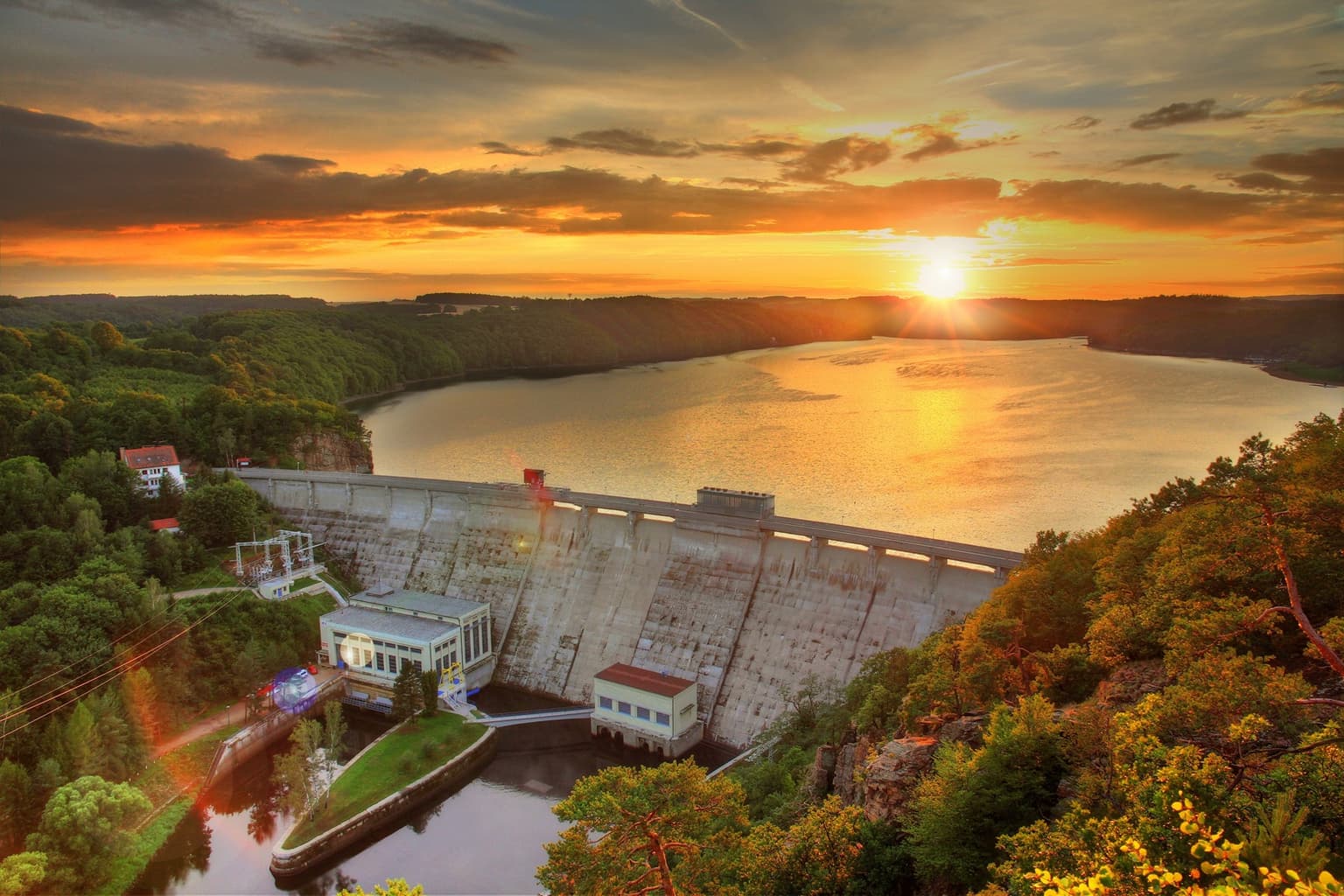
The Serbian-Romanian hydropower plant on the Danube, jointly operated by both countries, is delivering only one-third of its usual output. The Djerdap 1 plant was commissioned in 1970 and, according to the director of Serbian state-owned company EPS, experienced the worst period in its history this May and June. The reason is a sharp drop in the Danube's water level.
Djerdap 1 has installed capacity of 1 140 MW. According to the director of the state-owned company operating the plant, it is now generating only approximately 5 000 MWh of electricity per day, or around one-third of its usual daily output. As a result, Serbia's energy sector is coming under pressure.
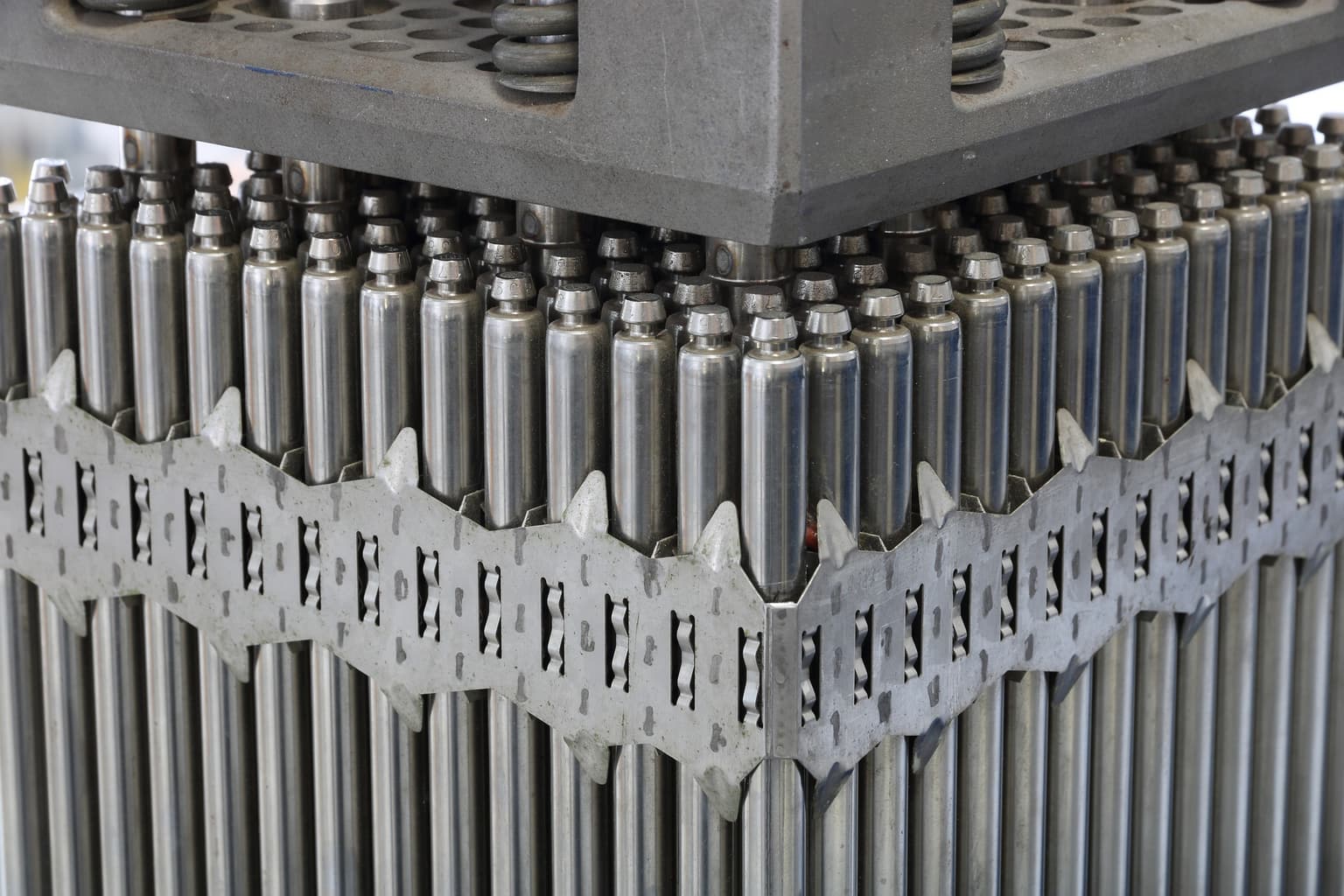
German authorities last week approved the controversial plan to expand nuclear fuel production at the Lingen plant in Lower Saxony. Advanced Nuclear Fuels (ANF), a subsidiary of French group Framatome, was given the green light to manufacture fuel assemblies for Russian VVER-type reactors. The project will be carried out on the basis of licences, know-how and component supplies from Russian state corporation Rosatom, specifically its subsidiary TVEL.
The decision has triggered strong reactions on the German and European political scenes, as it comes amid long-running efforts to reduce dependence on Russian energy commodities. Those efforts gained momentum after the outbreak of the open war in Ukraine in 2022.
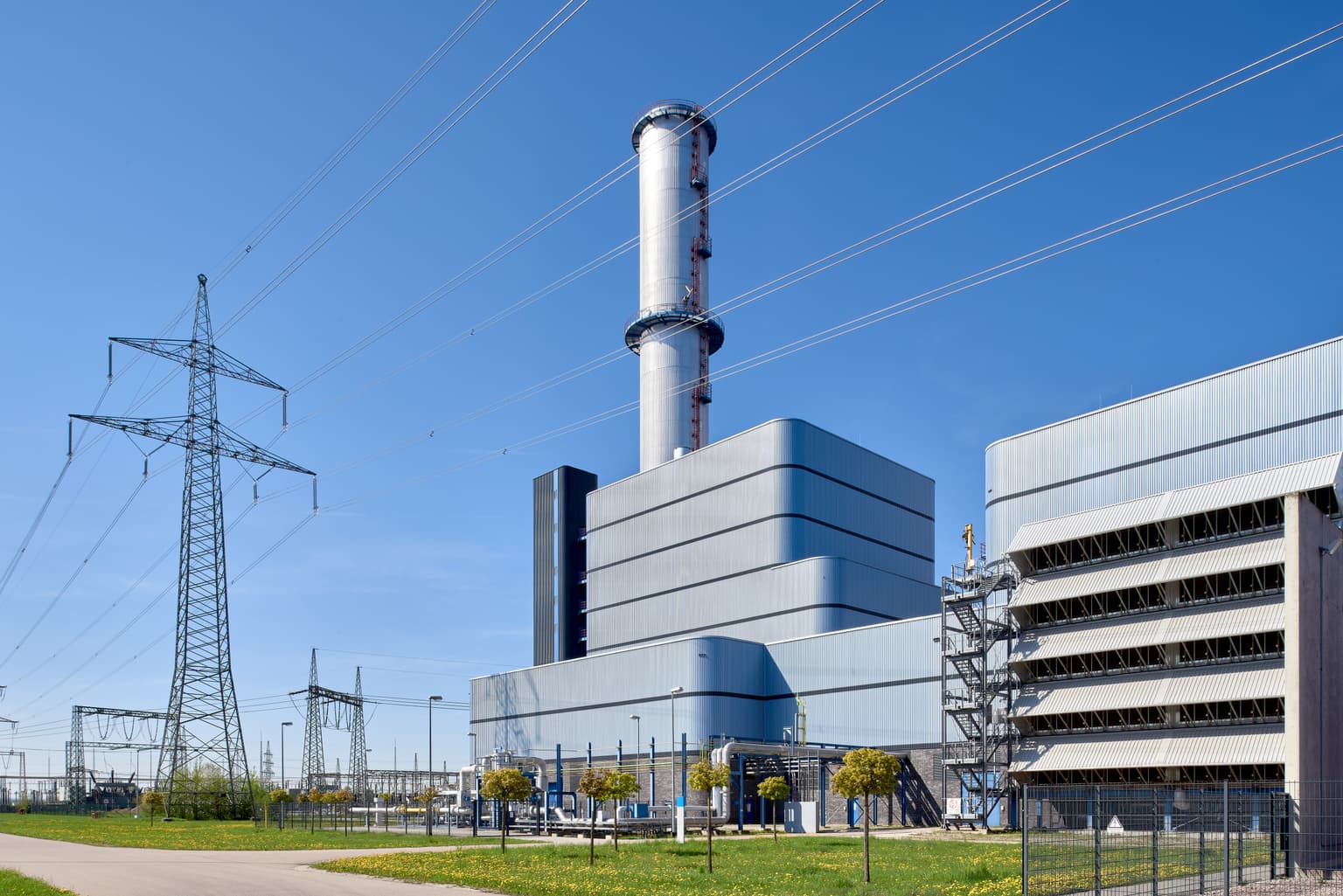
Germany has launched its first auction to support the construction of new gas-fired power plants, which are intended to ensure security of supply in the future as the share of renewables grows. The first auction will tender 4,5 GW of installed capacity, with successful investors receiving support to ensure capacity availability for 15 years.
The German government launched the first round of auctions through the network regulator Bundesnetzagentur to support the construction of new gas-fired power plants. Investors will compete for support for 4,5 GW of “derated” capacity. This so-called derated capacity assesses, using a factor set by law, the actual contribution of a given facility to security of supply, which varies between technologies. Applicants may submit their bids until 8 September 2026.
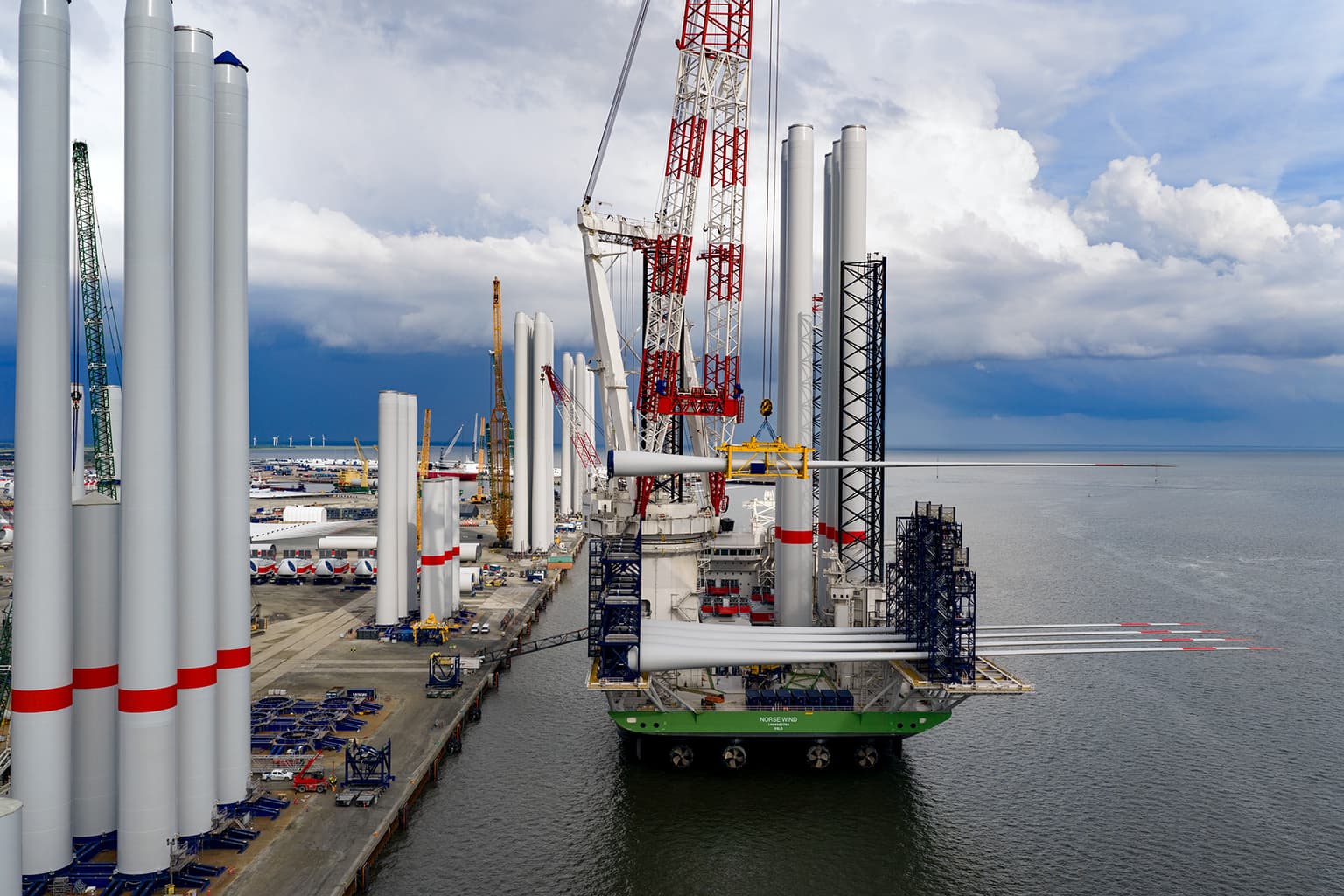
Leading European wind turbine manufacturers have recently been intensively considering mergers and the creation of a single European “industrial champion”. A potential consolidation of major European companies is intended to help the sector better withstand growing pressure from Chinese manufacturers. These companies have long benefited from the scale of their domestic market and are threatening the global competitiveness of European firms. An easing of EU antitrust rules could also help drive consolidation.
Although domestic manufacturers dominate both the Chinese and European wind turbine markets, the development of the wind sector elsewhere in the world makes it clear that European industrial giants are losing ground to their Chinese competitors.
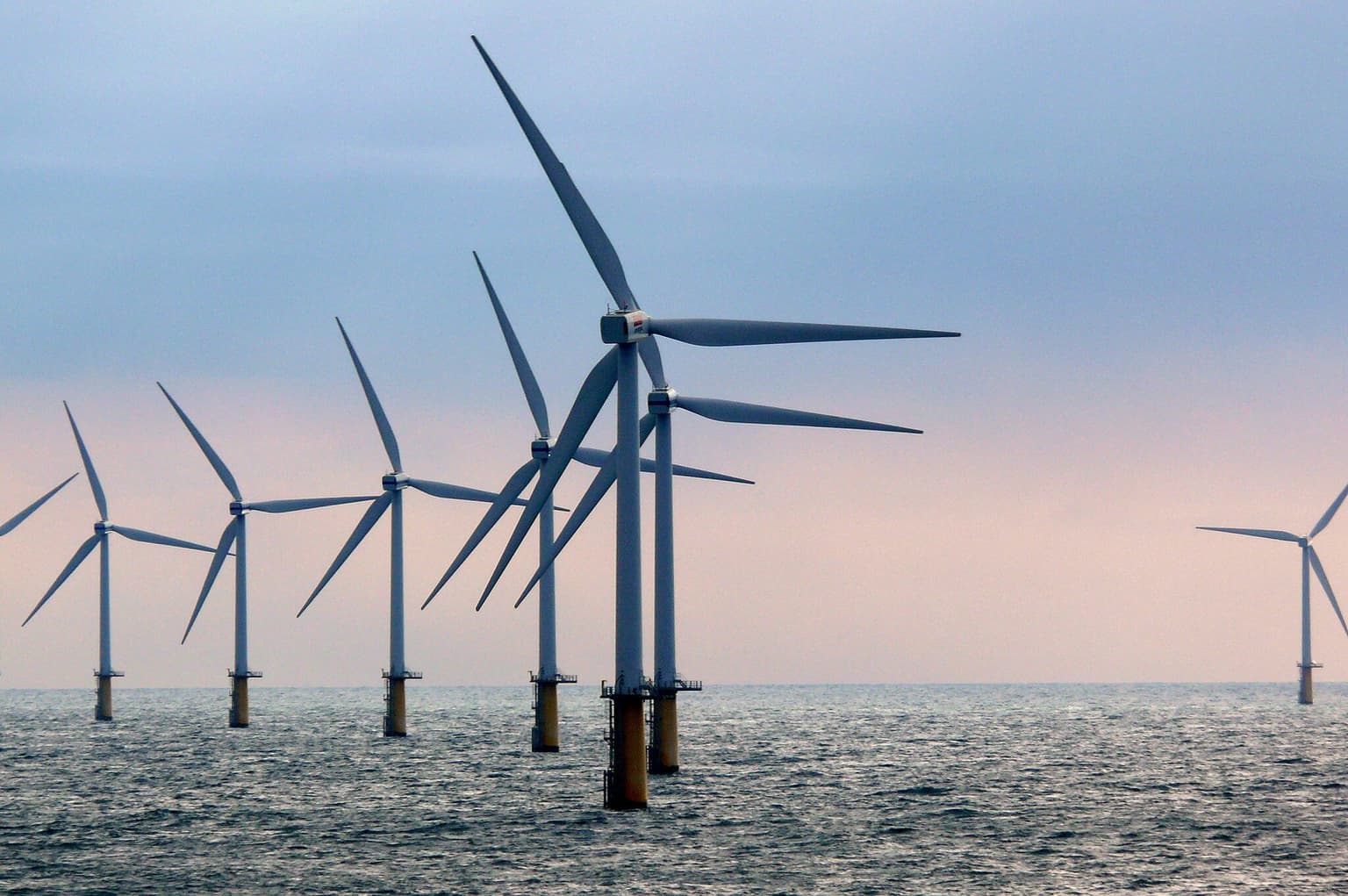
RWE has announced a major milestone at its largest offshore project under construction: the first delivery of electricity to the German grid. It expects the entire wind farm to enter commercial operation in three years. The turbines are being supplied by Danish company Vestas, whose profit this year is being driven by offshore construction following last year's difficulties. The project's achievements so far contrast with the fiasco of Germany's latest auction for offshore wind installations.
Nordseecluster is a joint offshore wind project of two companies. Global energy group RWE holds a majority stake of 51 %. Its subsidiary RWE Offshore Wind GmbH, which handles the group's planning, construction and operation of offshore wind farms, claims to be the world's second-largest company in this segment.
Acceleration zones were supposed to breathe new life into renewable energy construction. However, experts warn that the opposite is more likely to happen, with investors avoiding the designated areas. One reason is a number of new requirements recently published by the Ministry of the Environment.
When the Ministry of the Environment issued its SEA (Strategic Environmental Assessment) opinion on the proposed acceleration zones a week ago, it emphasised that the number of zones would be cut by one-third. Of the original 94, 61 areas for faster renewable energy construction are to remain, with fifteen of them also set to be reduced in size.
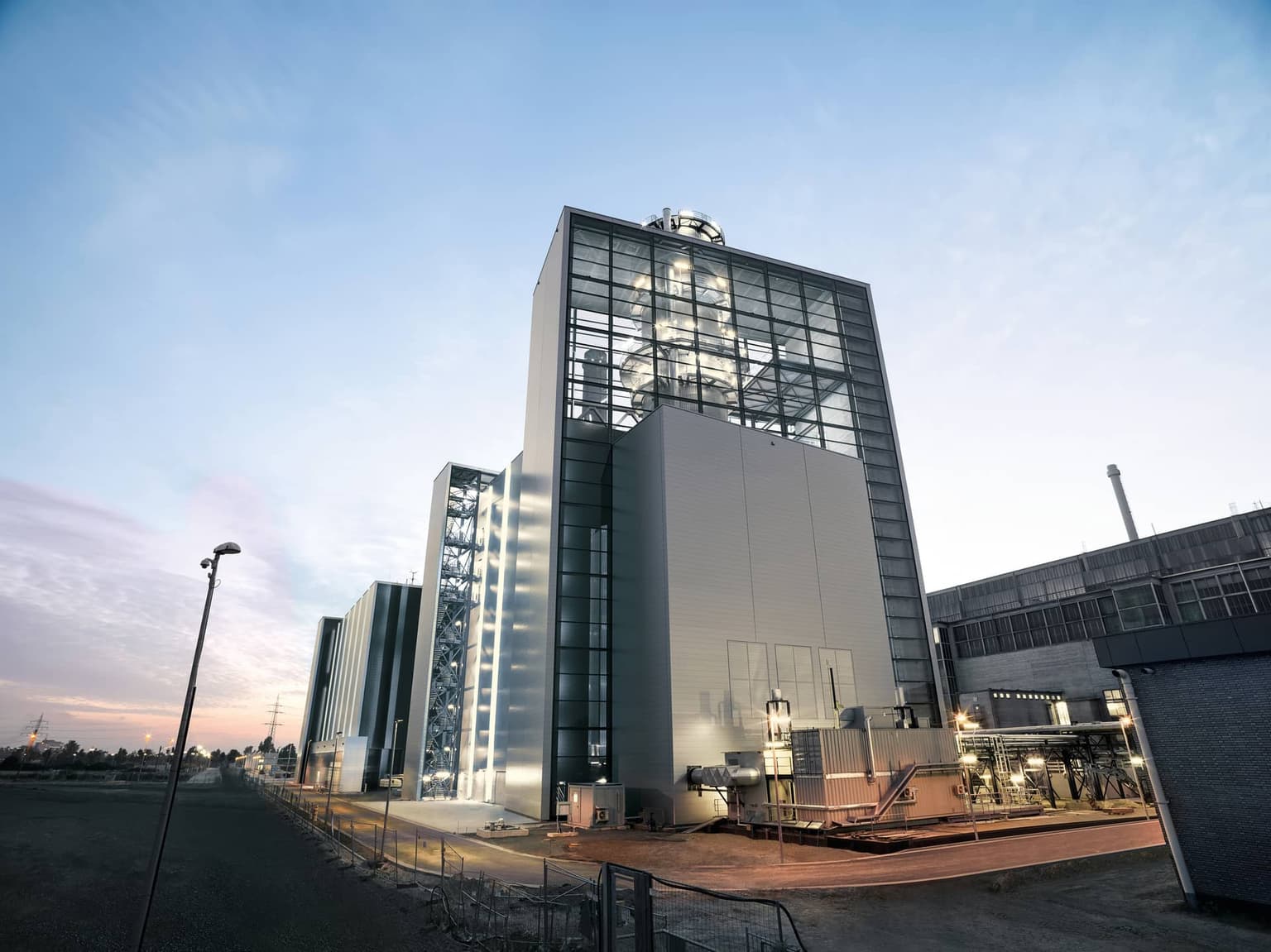
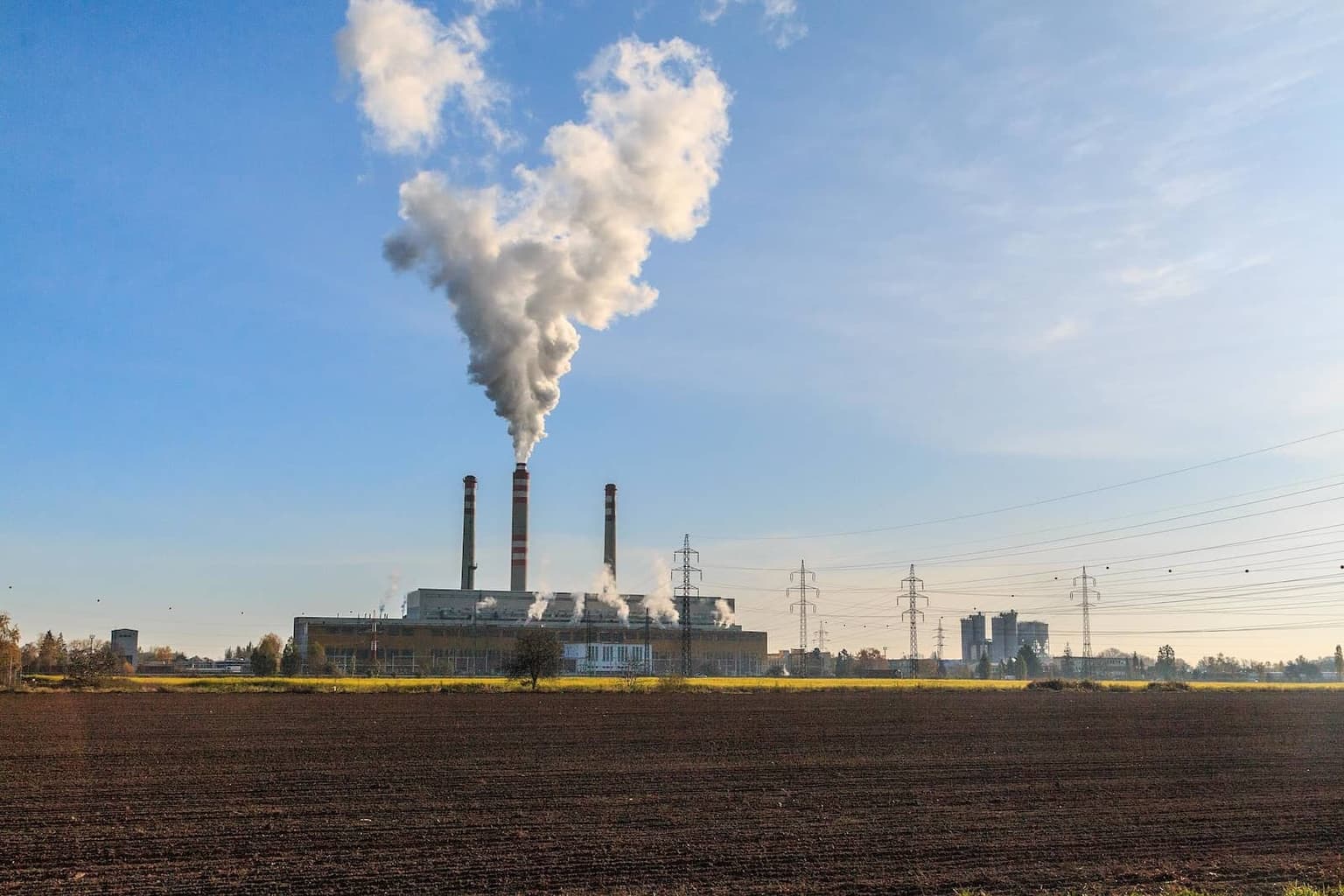
Elektrárna Opatovice plans to take over the first of three planned combined-cycle gas turbine units at the end of next year. They will gradually replace the existing coal-fired boilers without jeopardising reliable heat and electricity supplies for the region. A new amendment to the integrated permit, issued by the Pardubice Region, stipulates that one coal-fired boiler will always be shut down when each combined-cycle gas turbine unit enters permanent operation, plant spokeswoman Hana Počtová told the Czech News Agency.
"The current project schedule envisages the takeover of the first unit at the end of 2027, the second in the first quarter of 2028 and the third in the second quarter of 2028," Počtová said.
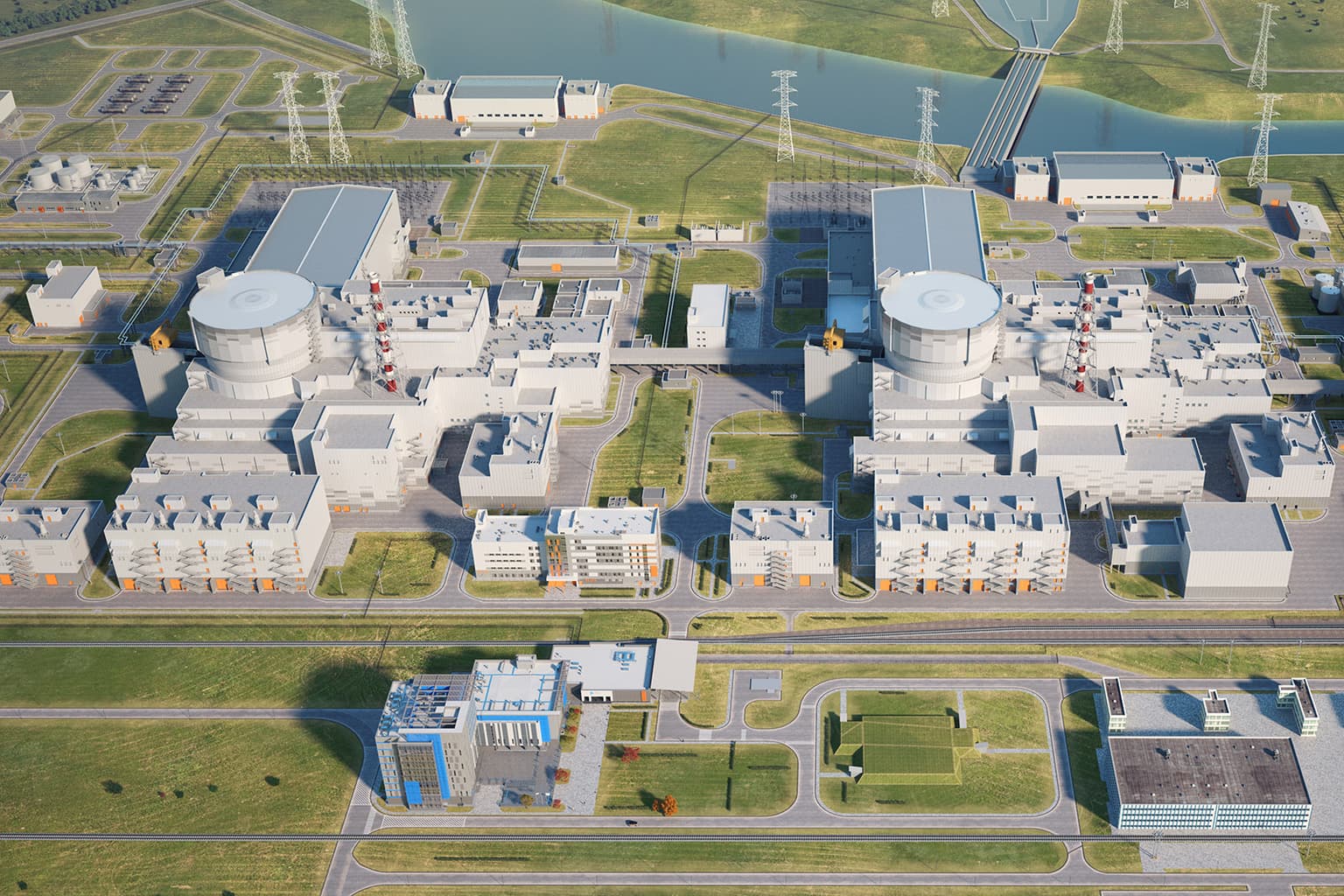
Due to the low flow of the Danube, Hungary will completely shut down its Paks nuclear power plant. This will happen today or on Friday, Prime Minister Péter Magyar said, according to news agencies. From Monday, the electricity supply situation could become critical due to an expected rise in consumption caused by the heatwave. Magyar therefore called on large consumers this afternoon to reduce electricity consumption in the afternoon and evening hours.
The Paks nuclear power plant is now operating at around half of its capacity. "A complete shutdown of the Paks power plant could occur as early as today, but more likely tomorrow (Friday – Czech News Agency note)," Magyar said. The plant operator said today that its shutdown would be unavoidable within 72 hours at the latest.
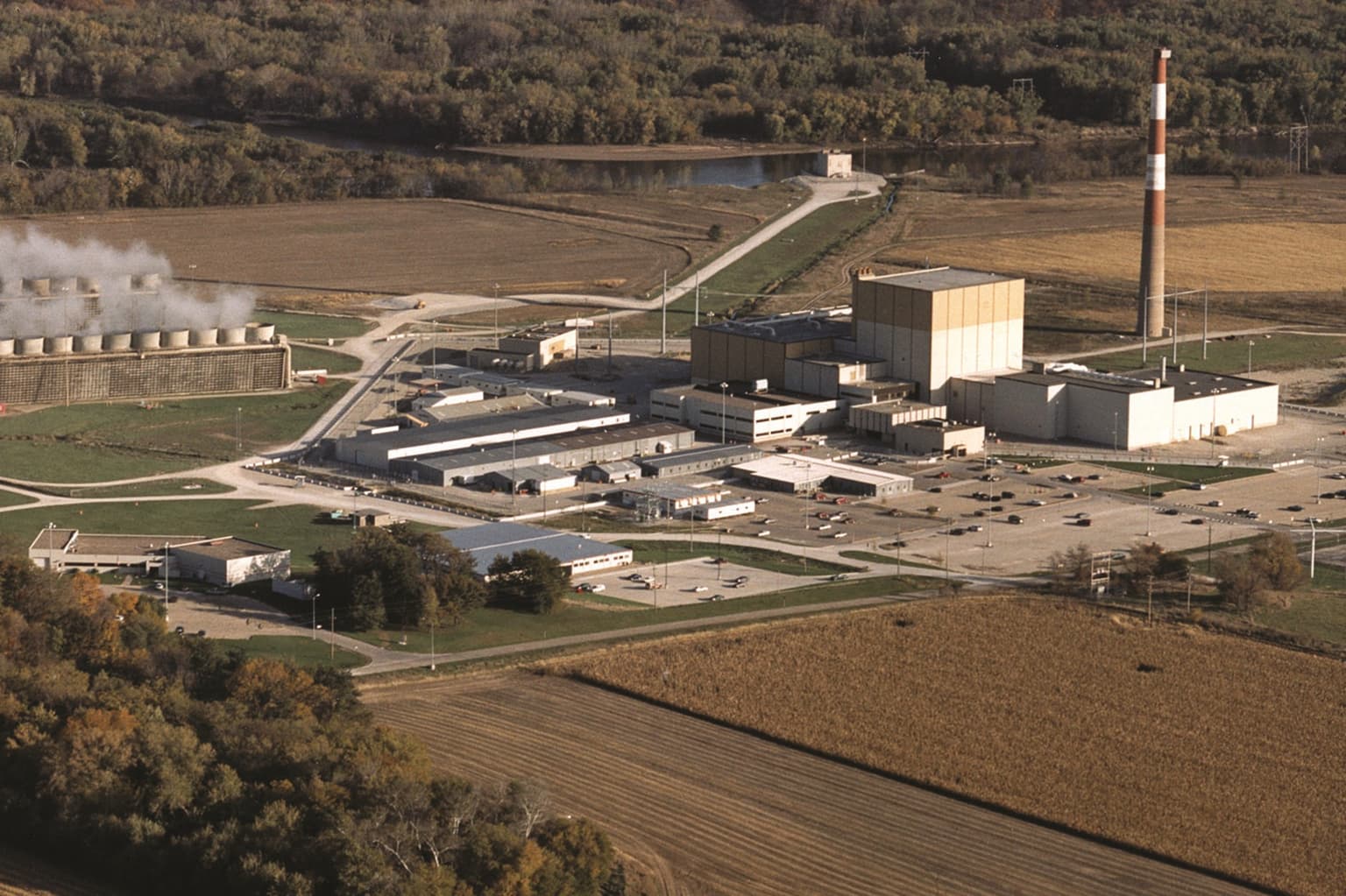
In connection with preparations to resume operation at several previously permanently shut-down nuclear reactors in the US, I have received a number of questions about whether at least some shut-down German units could also be restarted. Let us examine this possibility in more detail.
In recent years, preparations have been under way in the United States to restart at least three nuclear reactors that were previously shut down for economic reasons. This was discussed in more detail in an earlier article. Belgium has reversed its decision to shut down its nuclear units and is seeking to restart them. A larger number of countries, including the Czech Republic, are seeking to operate existing nuclear sources safely for as long as possible.