
25 October 2026, 08:20
Loading...
Top 10 energy stories from last week
oEnergetice.cz
29 September 2024, 20:13
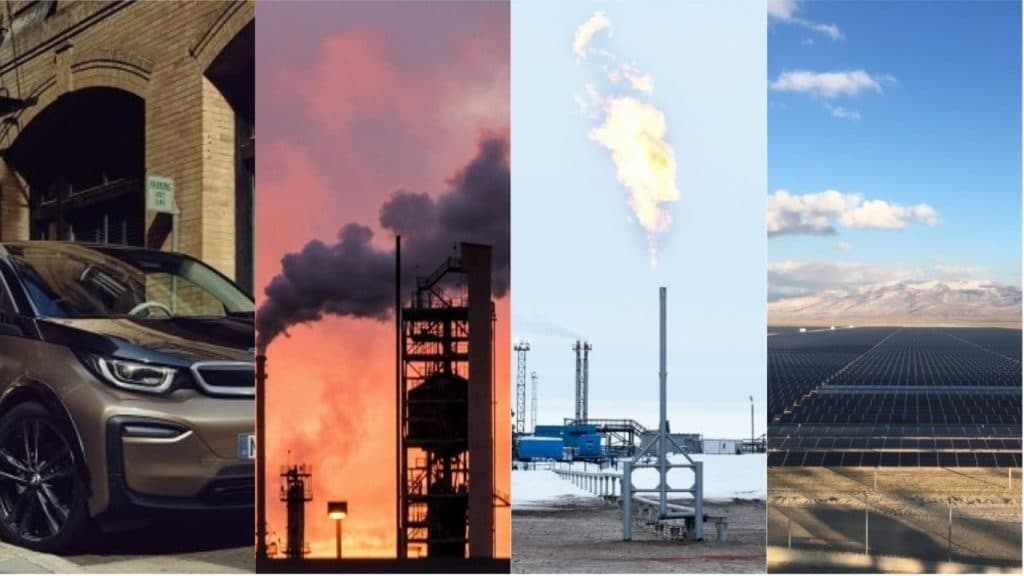
This week, we once again bring you a carefully selected list of the ten most significant articles published on oEnergetice.cz. If you missed any of them, here is a selection of the articles that attracted the most interest from our readers. Good luck in the new week!
1. Two compelling reasons why solar panels will become more expensive?
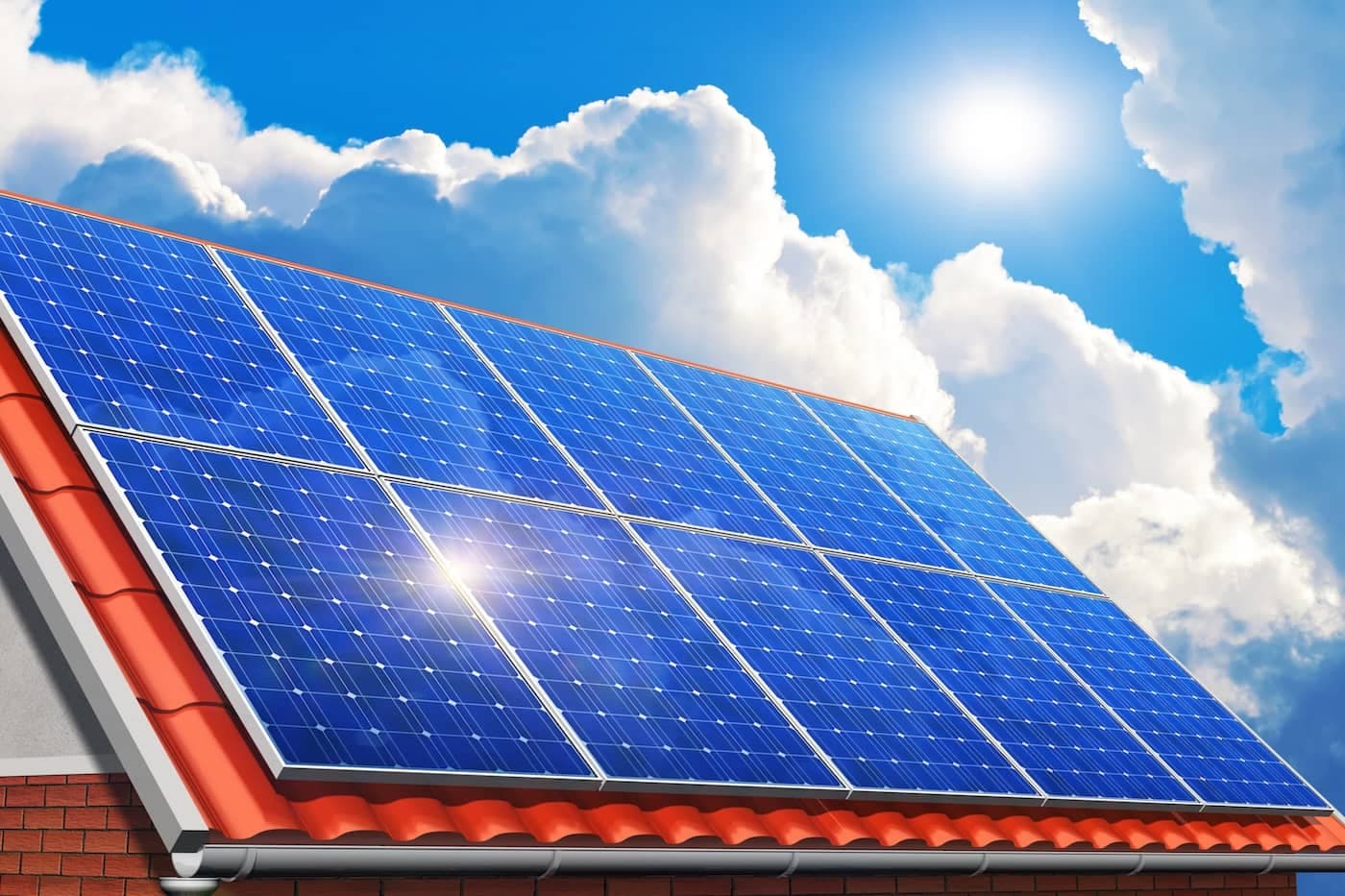
Solar panel prices hit a historic low this September. However, experts say it is unsustainable in the long run for manufacturers to sell panels below production costs and continue losing money. Why will panel prices have to rise? And when will that happen? Which technologies have the greatest potential?
You can discuss price trends and the latest developments in photovoltaics with leading experts at the international conference taking place in Prague on Wednesday, 9 October 2024, during the Smart Energy Forum modern energy trade fair
Read the full article HERE.
2. Five EU countries have already ended coal-fired power generation, while China is expanding its capacity
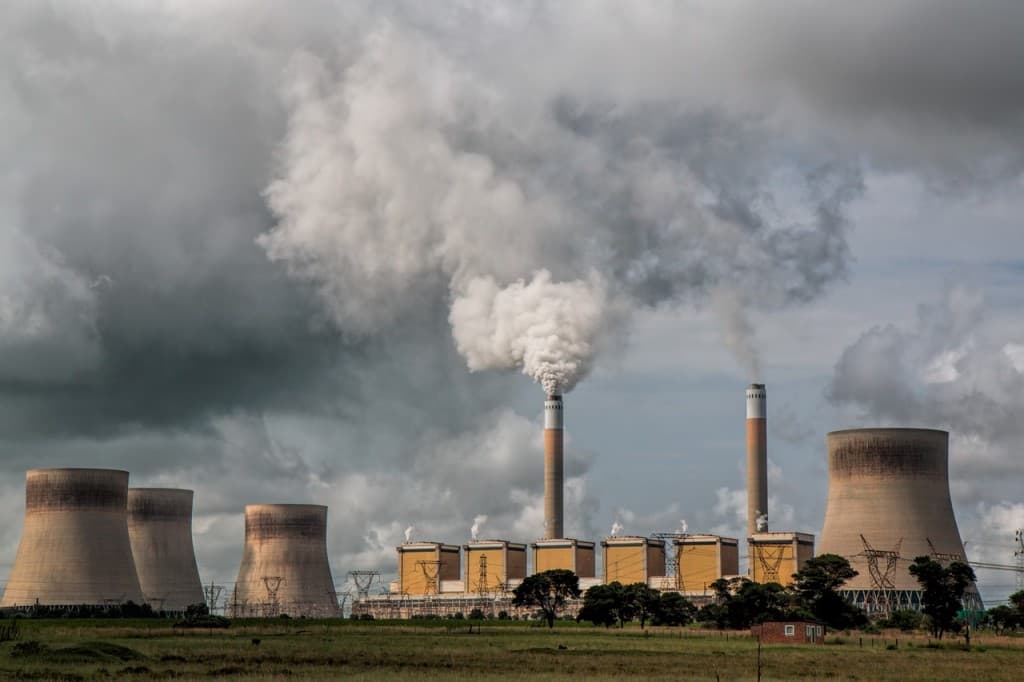
A selection of figures on coal-fired power plants around the world, following the closure of the UK’s last coal-fired power plant, Ratcliffe-on-Soar, on 30 September.
Read the full article HERE.
3. Hungary calls for greater EU support: We need funding to move away from Russian gas
Smaller landlocked European countries are not receiving enough support to reduce their dependence on Russian gas, a Hungarian energy security official says. He says the solution is to provide more funding to the countries concerned, the news agency Reuters reported. The question remains: what specific solutions are on offer?
The remarks were made by Csaba Marosvári, Hungary’s deputy state secretary for energy security, who spoke at the Gastech conference in Houston. “Our region has small countries, small markets, few major players and a shortage of capital,” Marosvári said. He added that infrastructure projects cost hundreds of millions of euros, posing a major challenge for these countries.
Read the full article HERE.
4. Unfair practices in the German electricity market? Regulator investigates allegations

Germany’s network regulator has stepped up its investigation into potential unfair practices in the electricity market. Concerns centre on allegations that information about the system’s balance status has been used to gain an advantage in intraday trading.
The allegations concern information provided by transmission system operators to selected companies to help maintain the balance of the electricity system. Information about imbalances in the German grid is not published in real time, and some traders with privileged access to it have allegedly used or are using it to gain an advantage in the intraday market, five sources told Montel.
Read the full article HERE.
5. Dome installation on the outer containment of Akkuyu NPP’s first unit completed
On 23 September 2024, the containment dome was successfully installed on the first reactor at the Akkuyu nuclear power plant in Turkey’s Mersin province. The dome is the final component of the reactor’s outer containment structure.
The dome construction process involves several stages: manufacturing composite elements from layers of metal, installing them and then gradually pouring concrete.
Read the full article HERE.
6. Study: Cheaper foreign sources could soon replace electricity from Czech coal
Cheaper sources in neighbouring countries could reliably replace electricity from Czech coal-fired power plants in the coming years, according to a study by the Facts on Climate project, which the Czech News Agency (ČTK) has seen. By contrast, the study’s authors say coal will continue to be burned for district heating in the coming years, with decarbonisation progressing more slowly. The study says that developing modern energy based on renewable sources is important for keeping electricity and heat prices low as the country moves away from coal.
According to the analytical team at Facts on Climate, operating the vast majority of Czech coal-fired power plants would no longer be economically viable if emissions allowance prices rose. Cheaper sources, mainly from neighbouring countries, whose capacity is sufficient to meet the Czech Republic’s needs, would push these plants out of the electricity market. The situation is different for coal-fired district heating, where production cannot be replaced as easily as electricity, the study says.
Read the full article HERE.
7. Building large solar parks in Czechia is extremely cheap, study finds—and costs keep falling
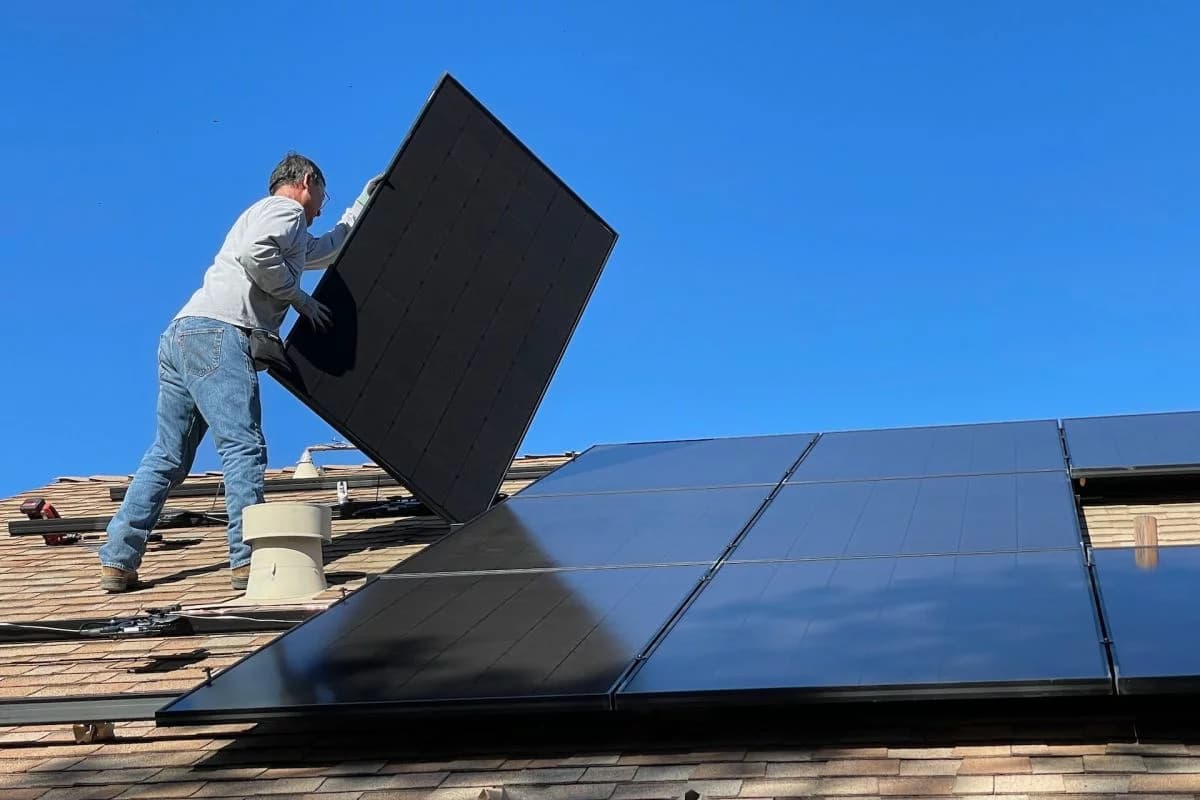
2023 marked a historic milestone in the transition to an energy system based on renewable energy. Newly installed capacity reached a record 473 GW, a 54% increase on 2022. It was also the largest annual increase since 2000. The cost of electricity generation from renewables continued to fall, with the biggest decline—12% year on year—recorded for solar power plants. According to IRENA, the Czech Republic and Bulgaria are the cheapest countries in which to build a large-scale solar power plant.
Renewables once again dominated the global energy sector. According to a detailed report by IRENA, installed renewable capacity is closing in on 4 TW after 2023. Total installed renewable capacity rose from 3 391 GW in 2022 to 3 865 GW in 2023, a year-on-year increase of 14%.
Read the full article HERE.
8. Montel: Germany asks European Commission to ease green hydrogen rules
The shift to green hydrogen is one of the pillars that is expected to help Europe transition to a low-emissions economy in the future. However, the rules governing its production are set to be relatively strict, particularly when it comes to linking it to new renewable sources. Last week, Germany’s economy minister asked the European Commission to postpone the deadlines for introducing the new rules, which are intended to ensure this link.
The production and use of green hydrogen have been widely debated in the European Union in recent years. In the future, only new renewable sources are expected to be used to produce green hydrogen, supporting their further development. In addition, producers of green hydrogen should be able to demonstrate that the electricity they use comes from renewable sources, on an hourly basis.
Read the full article HERE.
9. Gas network operator: Catastrophic flooding in the Jeseník region destroyed 210 kilometres of pipelines
According to gas network operators, catastrophic flooding in the Jeseník region put 210 kilometres of pipelines out of service. Emergency measures are currently in place in the nine worst-affected municipalities, and restoring gas connections there could take several weeks, GasNet spokesperson Tomáš Pernis told the Czech News Agency (ČTK) today. The worst-hit areas include Jeseník, part of Žulová, Česká Ves, Písečná, Bělá pod Pradědem, Vápenná, Mikulovice, Lipová-lázně and Ramzová. Gas supplies have, however, been restored to Jeseník Hospital and the Social Services Centre. The state wants to provide temporary solutions in the affected areas.
According to the gas network operators, the Jeseník region is the worst-affected area in the Czech Republic, and technical teams from across the country have been deployed there. Floodwaters tore pipelines out of the ground, rivers swept away above-ground crossings, and some pipelines are under water. Because the local gas network has been severely damaged, supplies are being restored gradually, depending on the level of damage in each area. Pernis said the work is being seriously complicated by factors such as the condition of the ground and roads that have often been completely devastated, making it impossible to safely lay new pipelines there for now. Repairs often also involve the technically demanding task of pumping water out of flooded pipelines. “We currently estimate that repairs in the worst-affected areas could take several weeks,” the company spokesperson added.
Read the full article HERE.
10. Electric vehicle battery maker Northvolt to cut nearly a quarter of its workforce
Swedish electric vehicle battery maker Northvolt will cut 1600 jobs in Sweden in response to financial pressure and falling demand. The company announced the move in a statement today. According to its website, Northvolt currently has more than 6500 employees.
The cuts will mainly affect the company’s large factory in Skellefteå in northern Sweden, known as Northvolt Ett. Northvolt will cut up to 1000 jobs there. The company added that it would pause plans to expand the site and focus its resources on accelerating battery cell production at the plant and fulfilling its commitments to existing customers.
Read the full article HERE.
Topic
Wind power in Czechia: Will barriers block it, or is change on the way?
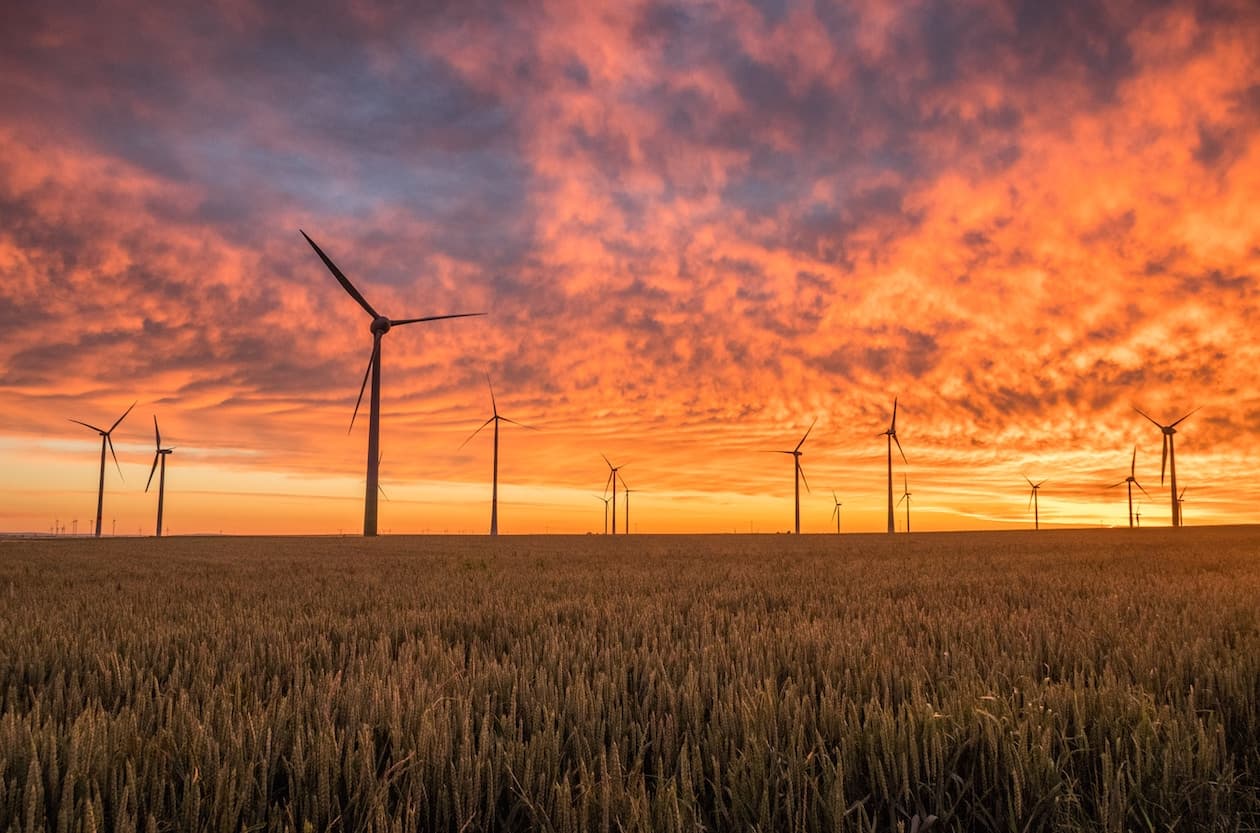
Following the 2022 energy crisis, greater attention began to be paid in the Czech Republic to developing renewable energy and transforming the energy sector. Solar power has received the most media attention. However, many companies, energy communities and developers are also pinning their hopes on a revival in wind power, which has stagnated in the Czech Republic for a long time. The new Building Act could bring change, but a shift in public attitudes will play a key role.
By the end of 2023, a total of 352 MW of wind power capacity had been installed across the regions, with only 236 MW added since 2007, when construction expanded most rapidly. For comparison, neighbouring Austria installed 331 MW last year alone and now has around ten times the installed capacity of the Czech Republic.
Read the full article HERE.
Energostat: electricity generation in the Czech Republic
Data in this chart is also available in 15-minute resolution60min15min
Energostat: electricity generation in Germany
Data in this chart is also available in 15-minute resolution60min15min
Find more up-to-date charts and data on Energostat
Translation disclaimer
This article is a machine translation of the Czech original and has not yet been fully reviewed. In case of any doubt, please refer to the Czech version.
Sdílejte článek prostřednictvím:
Topics:Energy Weekly
You might also like

23 October 2026, 14:38