Top 10 energy stories from the past week

This week, we once again bring you a carefully selected list of the ten most significant articles published on oEnergetice.cz. If you missed any of them, here is a selection of the articles that attracted the most interest from our readers. Have a great week ahead!
1. Thousands of solar owners lack imbalance responsibility arrangements and face fines
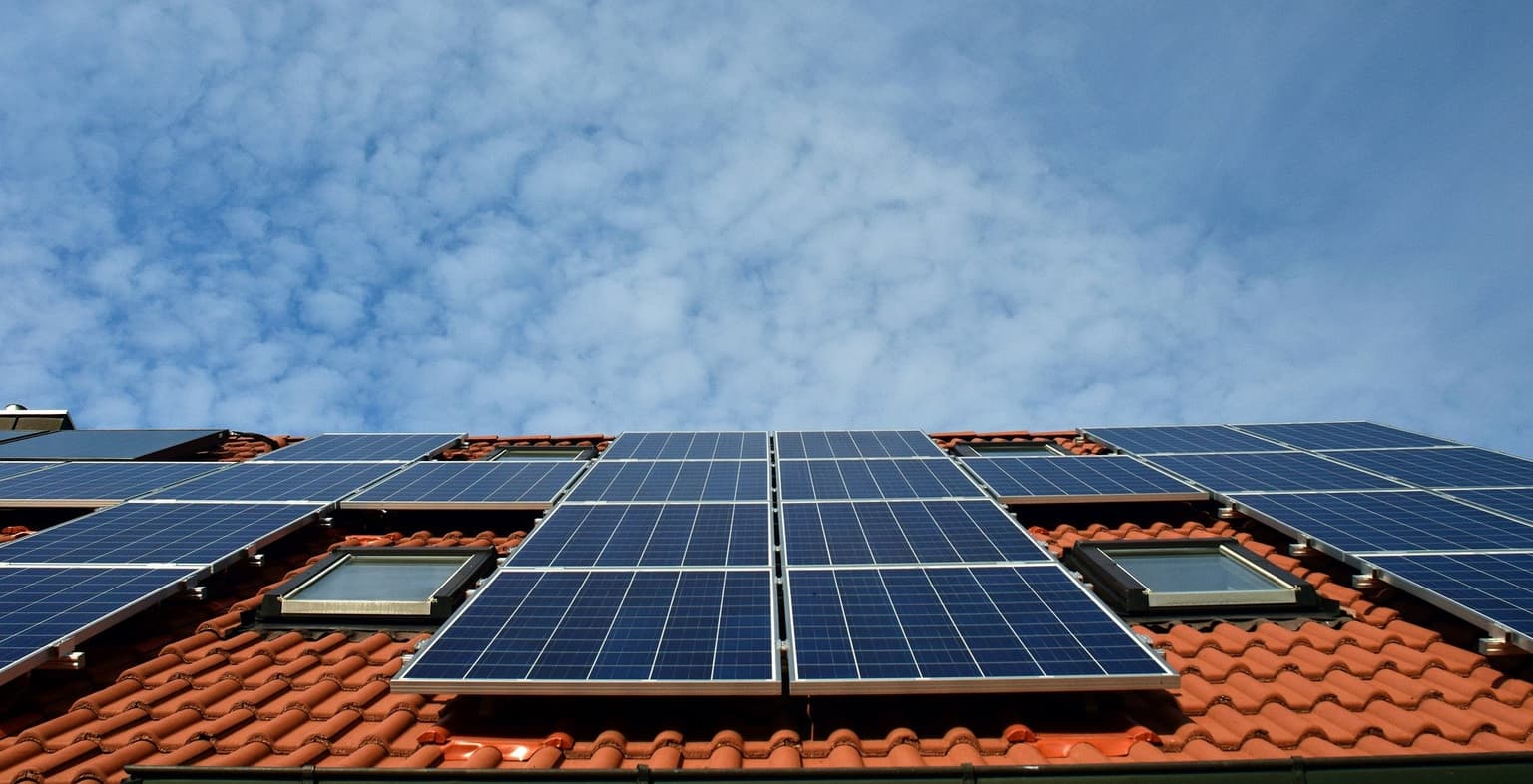
Thousands of owners of solar power plants do not have imbalance responsibility arrangements in place for their installations. From July, they face fines for unauthorized feed-in to the grid, which could amount to hundreds of crowns per month. This is provided for by a new legislative measure that primarily affects photovoltaic systems installed before the start of this year. Energy company ČEZ drew attention to the issue today.
Most photovoltaic systems registered by the end of last year have a single combined EAN code, assigned free of charge by the distribution system operator. This is a unique 18-digit numerical code used to identify a consumption point. It can be found on an electricity bill from a supplier or on a contract for connection to the distribution system.
Read the full article HERE.
2. Green call to the EU: Former world leaders urge climate action

A group of former world leaders is urging Europe to continue pursuing its green agenda, even as trade wars and defence spending divert attention from climate issues. Former Irish President Mary Robinson told Reuters.
The Elders, a group founded in 2007 by former South African President Nelson Mandela that, according to its website, works for peace, justice, human rights and a sustainable planet, is due to meet with the EU and NATO to discuss steps to soften planned climate disclosure rules in response to concerns about competitiveness.
Read the full article HERE.
3. Germany will face challenges to electricity supply security, government advisers say
The expected increase in electricity consumption and reduction in the installed capacity of conventional power plants will pose a challenge to electricity supply security in Germany in the coming years. The country's leading advisers on the energy transition said in their report. According to the advisers, the phase-out of coal-fired power plants is a key obstacle, while construction of gas-fired power plants is lagging behind.
The outgoing coalition government failed to pass legislation to introduce an incentive scheme for the construction of new gas-fired power plants, which are needed to ensure electricity supplies during periods of low renewable energy generation.
Read the full article HERE.
4. Russian pipeline gas supplies to Europe fell by a fifth in March
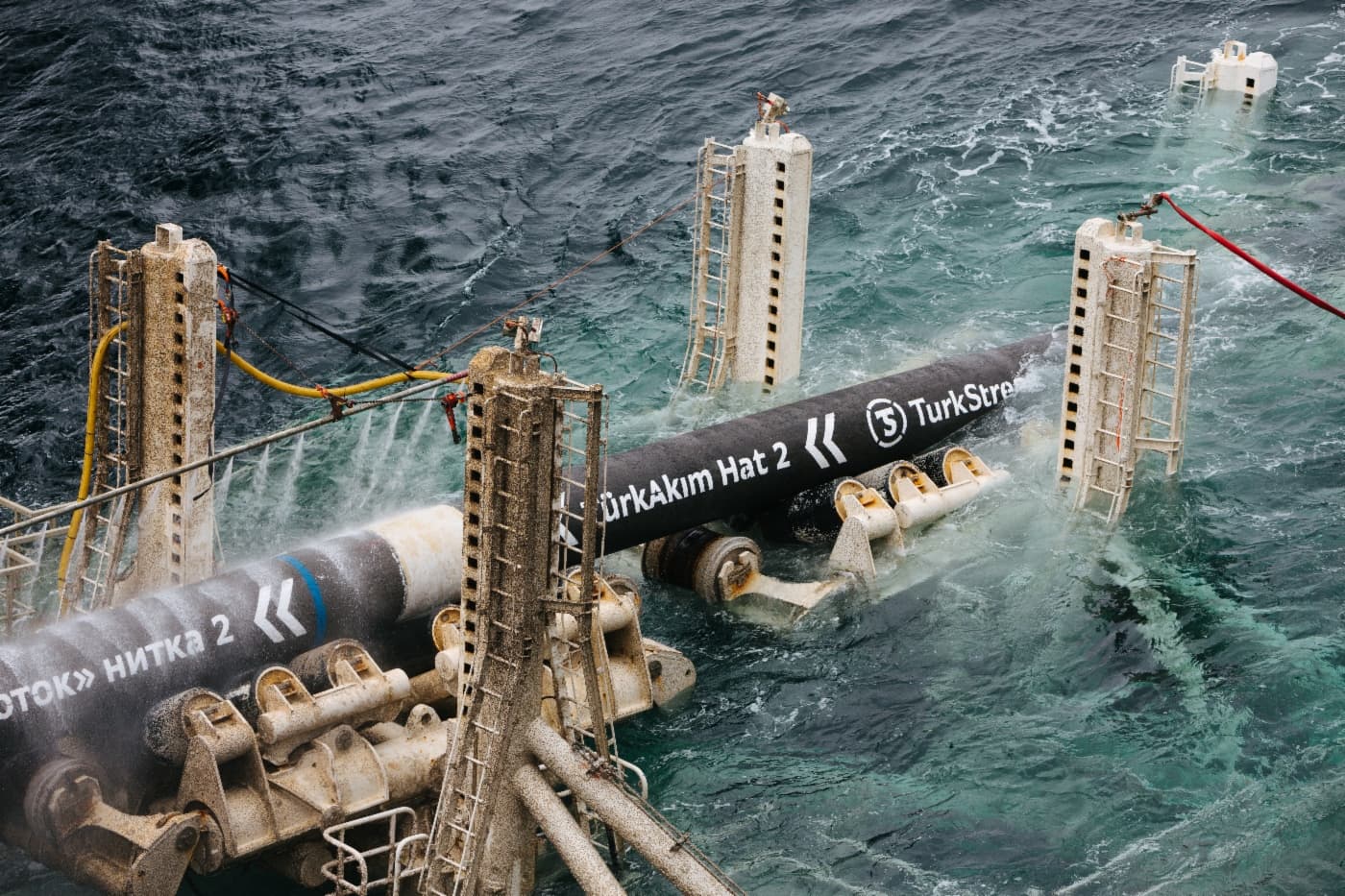
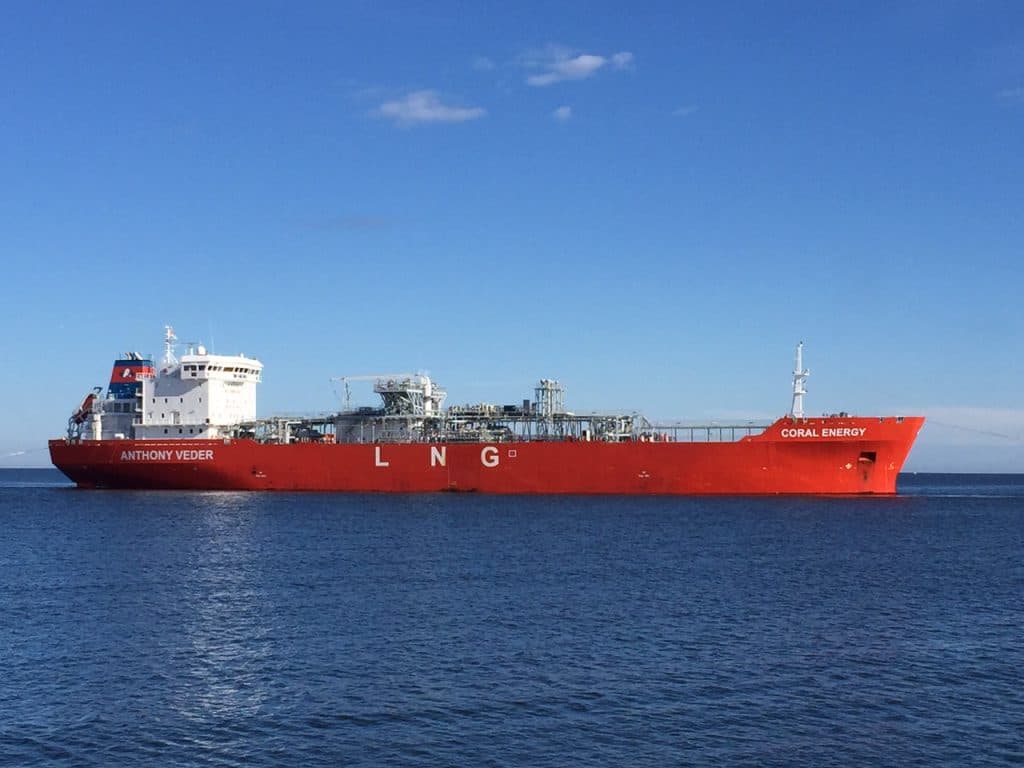
Since Russian gas transit through Ukraine ended at the turn of the year, the volume of Russian gas flowing to Europe has been relatively low. TurkStream is the last active pipeline route, but it has not been operating at full capacity since the loss of Ukrainian transit either. While flows through the pipeline were generally strong in January and February, they fell by nearly a fifth in March. However, additional Russian gas continues to reach Europe in liquefied form aboard tankers.
The future of Russian gas supplies to Europe remains uncertain, as the EU continues to seek further reductions in its purchases of Russian energy commodities. Russian gas supply volumes are being closely monitored, particularly given that gas storage levels are lower than in previous years. Although the volume of gas currently flowing from Russia to Europe is only a fraction of what it was in the recent past, a further decline in supplies is adding to market uncertainty.
Read the full article HERE.
5. EU has stepped up its efforts to transition to a new energy system over the past three months

A little over six months have passed since the publication of the Draghi report on “The Future of European Competitiveness”. The document ushered in a period of intense debate, particularly at EU level, as the European Commission sought to find the right balance between the competitiveness of European industry and its long-term decarbonisation agenda.
Is the EU wavering on the Green Deal?
Following a wave of political announcements by the EU in recent weeks, it was easy to find people asking whether the EU was losing momentum in its transition to a green economy. To be objective, there are several figures that support this view, for example:
Read the full article HERE.
6. EU climate targets under pressure: Will the Commission secure support before summer?
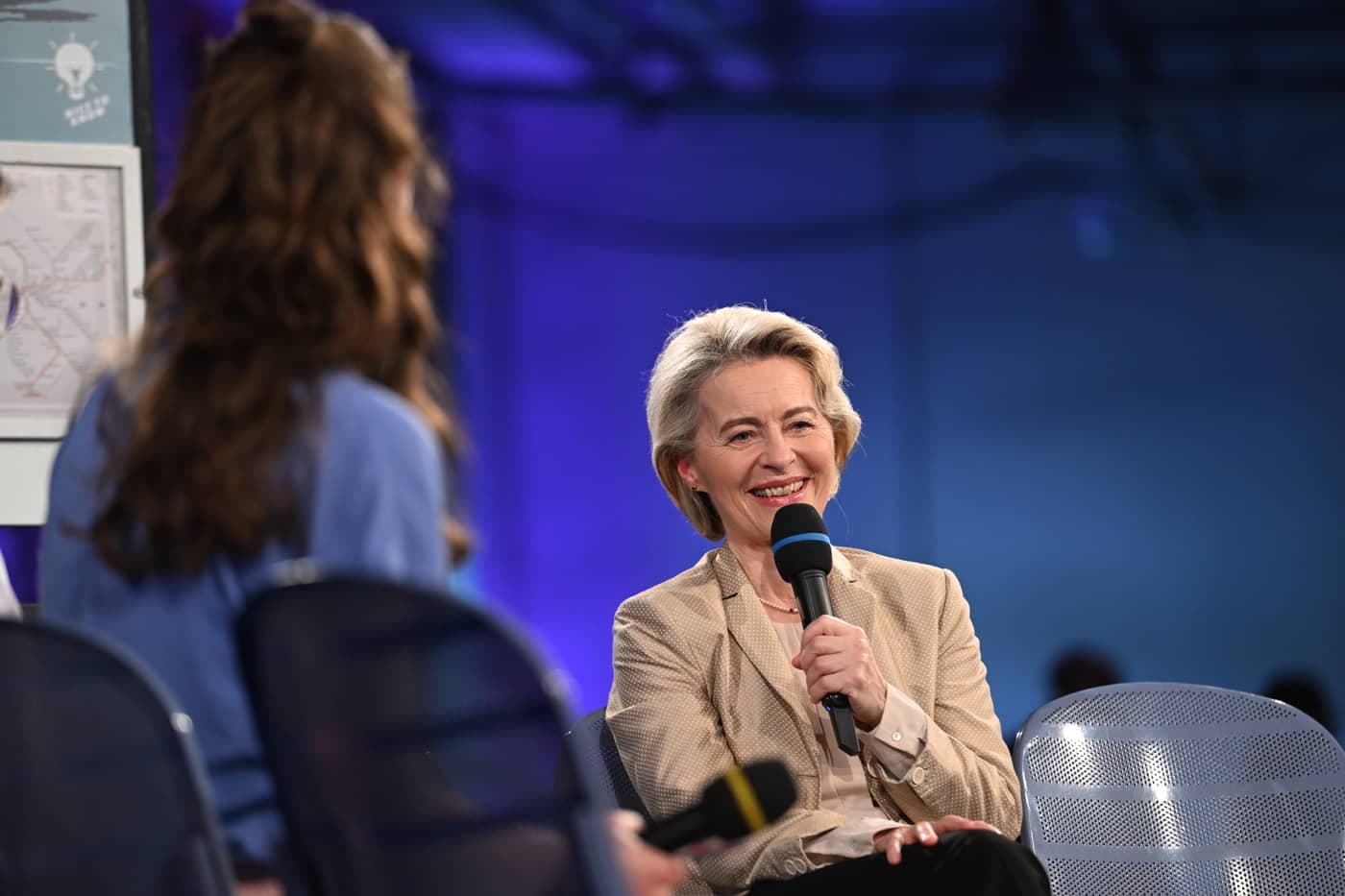
Climate Commissioner Wopke Hoekstra confirmed POLITICO's report that he is trying, so far unsuccessfully, to secure support from member states for a commitment to cut greenhouse gas emissions. For this reason, the European Commission is delaying the publication of its 2040 climate target. However, statements to date indicate that an agreement should be on the table before the start of summer.
The Commission had originally promised that the draft law would be published in the first quarter of 2025. The plan to cut the EU's greenhouse gas emissions by 90% by 2040 compared with 1990 levels is at risk.
Read the full article HERE.
7. Czechia's electricity and gas savings trend ends, with consumption rising for the second quarter in a row
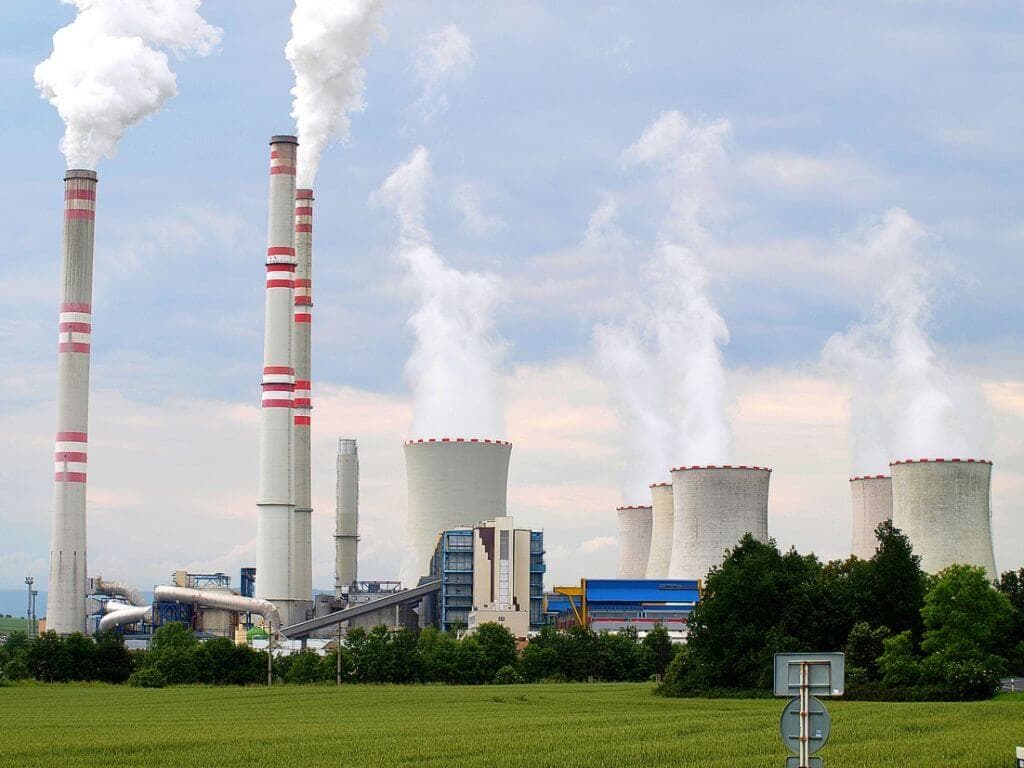
The trend of saving electricity and gas in Czechia has come to an end. The first quarter of this year was the second consecutive quarter since the 2022 energy crisis in which consumption rose year on year, even after adjusting for weather effects. However, savings remain substantial compared with the pre-crisis years. This is according to a press release from energy group Amper.
Experts noted an upward trend in electricity consumption in the third quarter of last year, and in the final quarter of last year electricity consumption rose by 2.9 percent, or 1.8 percent after adjusting for weather effects. In the first quarter of this year, the year-on-year increase was 5.3 percent, or 3.1 percent after adjusting for weather effects. A shift from gas-using technologies to electric ones may be partly responsible. Heat pumps are a typical example. “Last year, savings in the first quarter compared with the pre-crisis period of 2017 to 2021 stood at ten percent; this year, they are already half that,” said Martin Nádeníček, a board member of Amper Savings.
Read the full article HERE.
8. ČEZ completes power uprate of all Dukovany units
At the Dukovany Nuclear Power Plant, ČEZ has completed the uprating of all four reactor units from 500 megawatts (MW) to 512 MW. The last unit, number four, reached its new output for the first time on Sunday. Since last year, the plant's total available electrical capacity has increased by 48 MW. This will boost Dukovany's annual electricity generation by up to 350.000 megawatt-hours (MWh) this year, plant spokesperson Jiří Bezděk told the Czech News Agency (ČTK) today.
Last April, energy sector employees increased the output of Dukovany's unit three, followed by unit two in August and unit one in November. Unit four first reached its increased output on Sunday, March 30, at 17:20. Energy sector employees will still carry out a number of verification checks and tests on the unit. “As with the first three units, increasing the output of the units to the current 512 megawatts involved an enormous amount of work and inspections. The condition is always that we must not reduce the level of safety,” said plant director Roman Havlín.
Read the full article HERE.
9. Energy companies and regulators clash over the impact of network investment on consumers

The Agency for the Cooperation of Energy Regulators (ACER) published a comprehensive report last week on the development of network expansion costs and distribution charges, which make up a substantial share of consumers' total electricity bills. ACER's forecast expects annual network maintenance and development costs—and therefore distribution charges—to increase by 50 to 100% by 2050.
The electricity industry association Eurelectric, which represents Europe's key energy companies, has responded quite sharply to ACER's scenario. Industry representatives accuse regulators of alarmism and call on them to reassess their scenarios. According to Eurelectric, a flawed forecast could have serious consequences for energy security and the EU's climate targets.
Read the full article HERE.
10. The Netherlands' nuclear future: Three reactor designs meet safety requirements

The Dutch Authority for Nuclear Safety and Radiation Protection (ANVS) has published its findings from an assessment of feasibility studies submitted by EDF, Westinghouse and Korea Hydro & Nuclear Power (KHNP). According to ANVS, all three proposed technologies could potentially meet the necessary safety requirements for the construction of two new nuclear units in the Netherlands.
In December 2021, the new Dutch coalition government placed nuclear energy at the centre of its climate and energy policy. Under preliminary plans, two new reactors are to be completed by 2035, each with an installed capacity of 1000–1650 MWe. These units are expected to provide 9–13% of the Netherlands' electricity generation. In December 2022, the government designated the Borssele site as the preferred location for construction.
Read the full article HERE.
Opinion
Why fast charging is expensive—and why it is not really such a problem

When comparing electricity prices at home with those at fast-charging stations, it is impossible to overlook the significant difference in the price per kWh consumed. Let's go through the main reasons and describe possible solutions.
Whether you are charging or refuelling on the road, it is usually more expensive, regardless of the type of vehicle. Even with liquid fuels, it is not unusual to find prices several crowns per litre higher than elsewhere. You can always leave the motorway and refuel somewhere else, of course, but that means a certain delay to your journey, so people simply accept the higher price. With fast charging for electric vehicles, however, the price difference compared with other charging options is much greater, and this is often raised in discussions as an argument against electric mobility. It has to be acknowledged that current fast-charging prices really are high. While households and businesses can get electricity, including distribution, for around 5 Kč/kWh, prices at fast-charging stations of around 13 Kč at slower stations and around 18Kč at ultra-fast stations are not unusual. At motorway speeds, an average electric car therefore pays around 3Kč/km for electricity, a cost comparable to or higher than that of an equivalent internal combustion vehicle.
Read the full article HERE.
Energostat: electricity generation in Czechia
Energostat: electricity generation in Germany
More up-to-date charts and data are available on Energostat
Translation disclaimer
This article is a machine translation of the Czech original and has not yet been fully reviewed. In case of any doubt, please refer to the Czech version.