Top 10 energy stories from the past week
This week, we once again bring you a carefully selected list of the ten most important articles published on oEnergetice.cz. If you missed any of them, here is a selection of the stories that attracted the most interest from our readers. Good luck in the week ahead!
1. Five EU finance ministries call for windfall tax on energy companies

According to Reuters, the finance ministers of Germany, Spain, Italy, Portugal and Austria have sent a letter to the European Commission calling for a tax on “extraordinary” (windfall) profits. The letter reportedly also says that such a measure would demonstrate political unity and the ability to act.
Oil and LNG prices have risen sharply over the past month as a result of the war between Israel and the United States against Iran. European markets felt the supply disruption quickly. Although the impact is not yet fully comparable to the market reaction in 2022, governments explicitly evoke a parallel between the situations in their letter. However, the letter gives no details of the proposed windfall tax model. The ministers say companies must help “reduce the impact on the general population.”
You can read the full article HERE.
2. Electricity prices plunged deep into negative territory over Easter and remain below zero
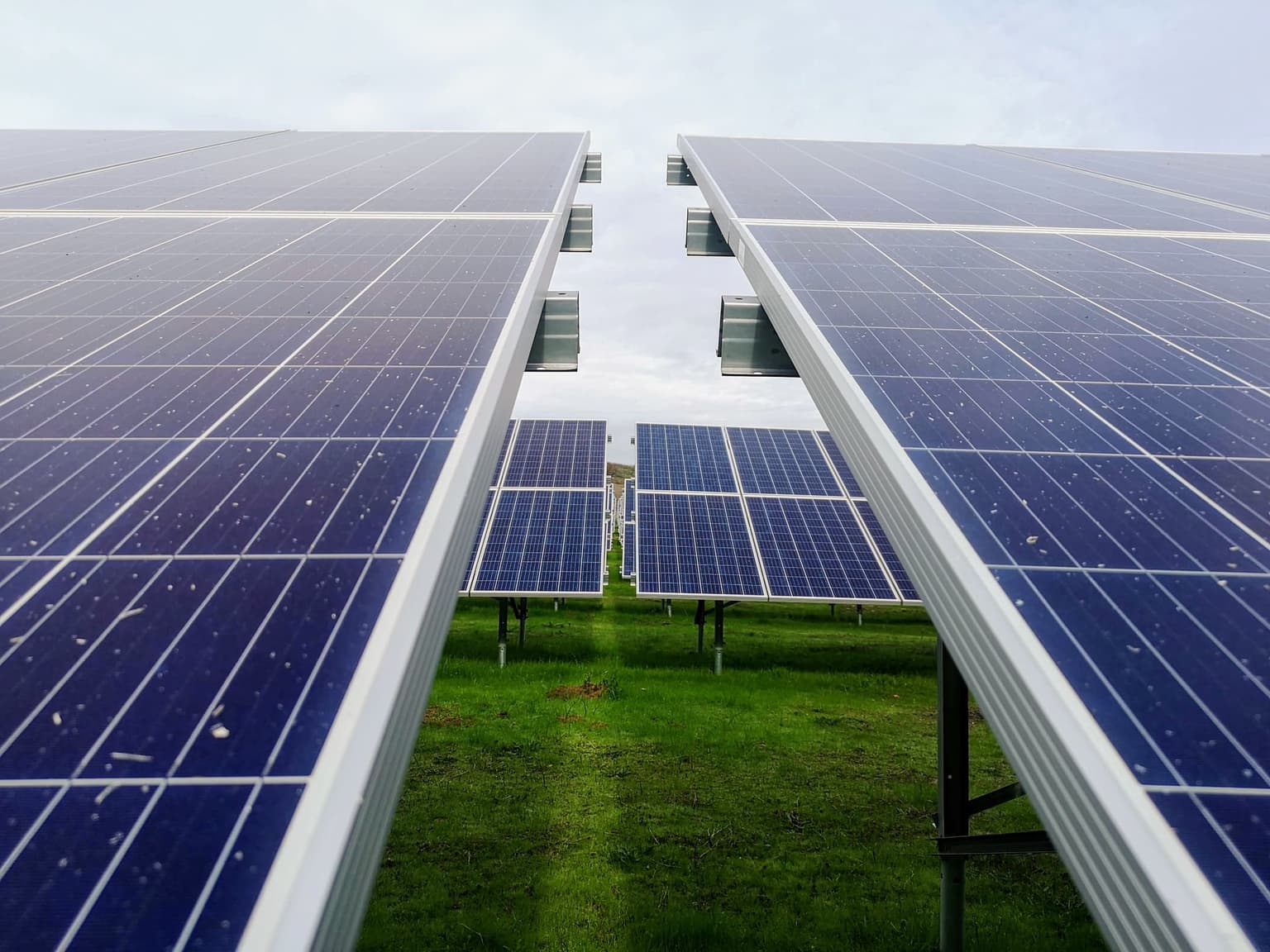
Electricity prices on European spot markets fell sharply over Easter. Traditionally lower demand during the holidays, combined with high output from solar and wind power plants, led to a substantial oversupply. Negative prices did not disappear from the market when the Easter holidays ended, although the midday drop during peak solar generation was less dramatic in the following days.
With the arrival of spring and rising solar output, electricity prices on European spot markets are once again falling closer to zero or into negative territory. This phenomenon was also evident over Easter this year, when high output from wind and solar power plants coincided with lower holiday demand. As a result, electricity prices on the Czech day-ahead market for delivery on Easter Monday fell to nearly -135 EUR/MWh, specifically between 13:45 and 14:00.
You can read the full article HERE.
3. Rising gas prices reopen debate over the pace of Germany’s coal phase-out
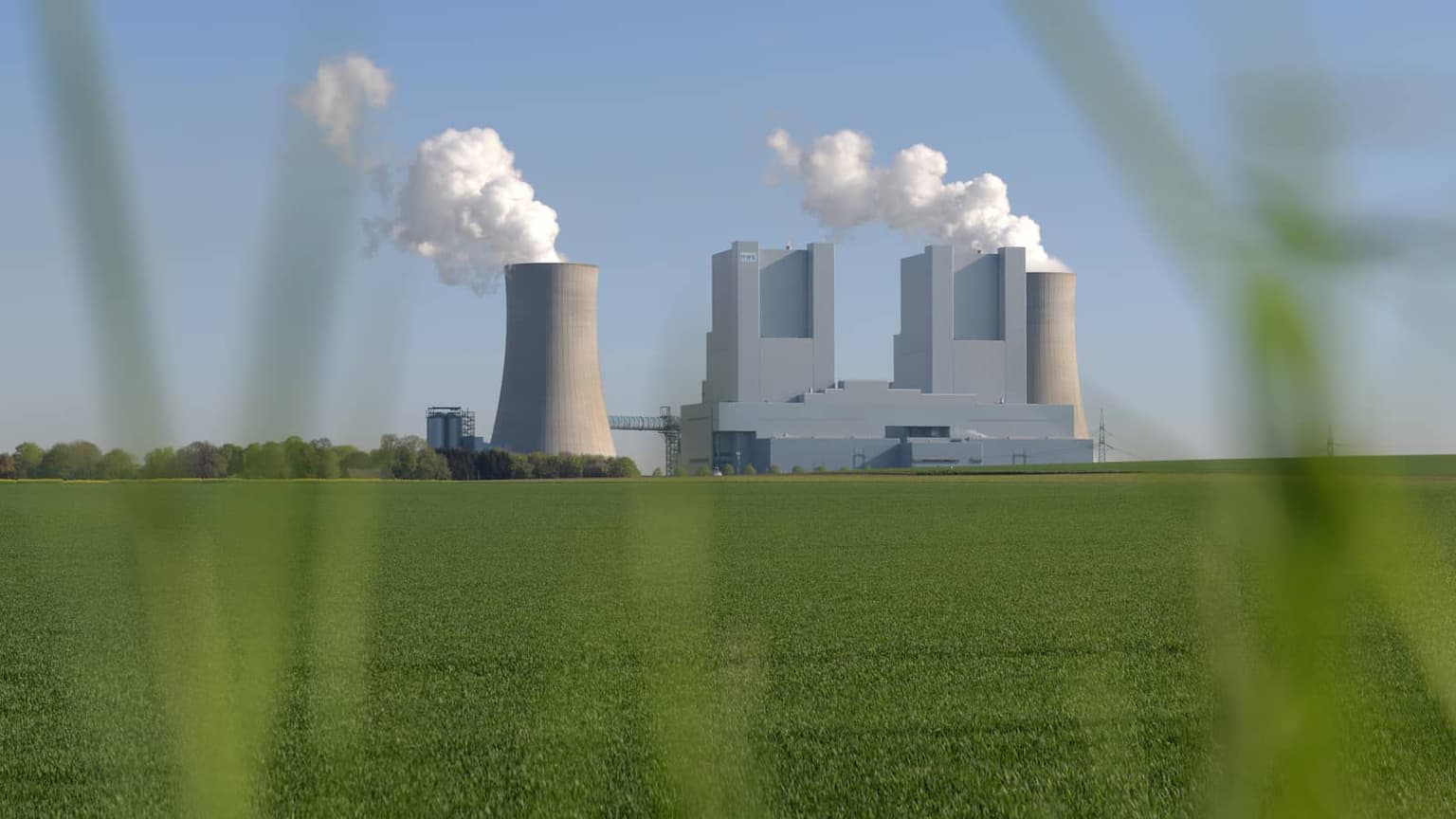
Rising gas prices amid geopolitical tensions in the Middle East have reignited debate over the timetable for Germany’s phase-out of coal-fired power generation. Industry and energy representatives are calling for coal-fired power plants to remain open longer and for some coal capacity held in reserve to be temporarily returned to the market. The government is so far hesitating, citing legal and economic obstacles.
Rising prices for energy commodities, particularly oil and gas, amid the conflict involving Iran are increasing pressure to reconsider Germany’s strategy for phasing out coal-fired power generation. Industry representatives say that, in the current situation, the country should make greater use of its domestic generating capacity, especially coal-fired power plants that are currently held only in reserve and cannot normally operate on the market.
You can read the full article HERE.
4. Electricity prices in Europe could rise by up to 40%, Croatian grid chief warns

Electricity prices in Europe could rise by up to 40% by the end of 2026, warns the head of Croatian transmission system operator HOPS. Meanwhile, current data from Czechia show that the market has stabilized after the energy crisis at a higher level than was typical before 2020 and remains sensitive to fluctuations in generation and demand.
Electricity prices in Europe could rise sharply again in the coming years. Croatian transmission system operator HOPS chief Frane Mervar warned that wholesale prices could rise by up to 40% by the end of 2026. The reasons, he said, include a combination of growing demand, slow development of new generating capacity and structural problems in the European energy sector.
You can read the full article HERE.
5. First uranium conversion plant in 70 years planned in the US
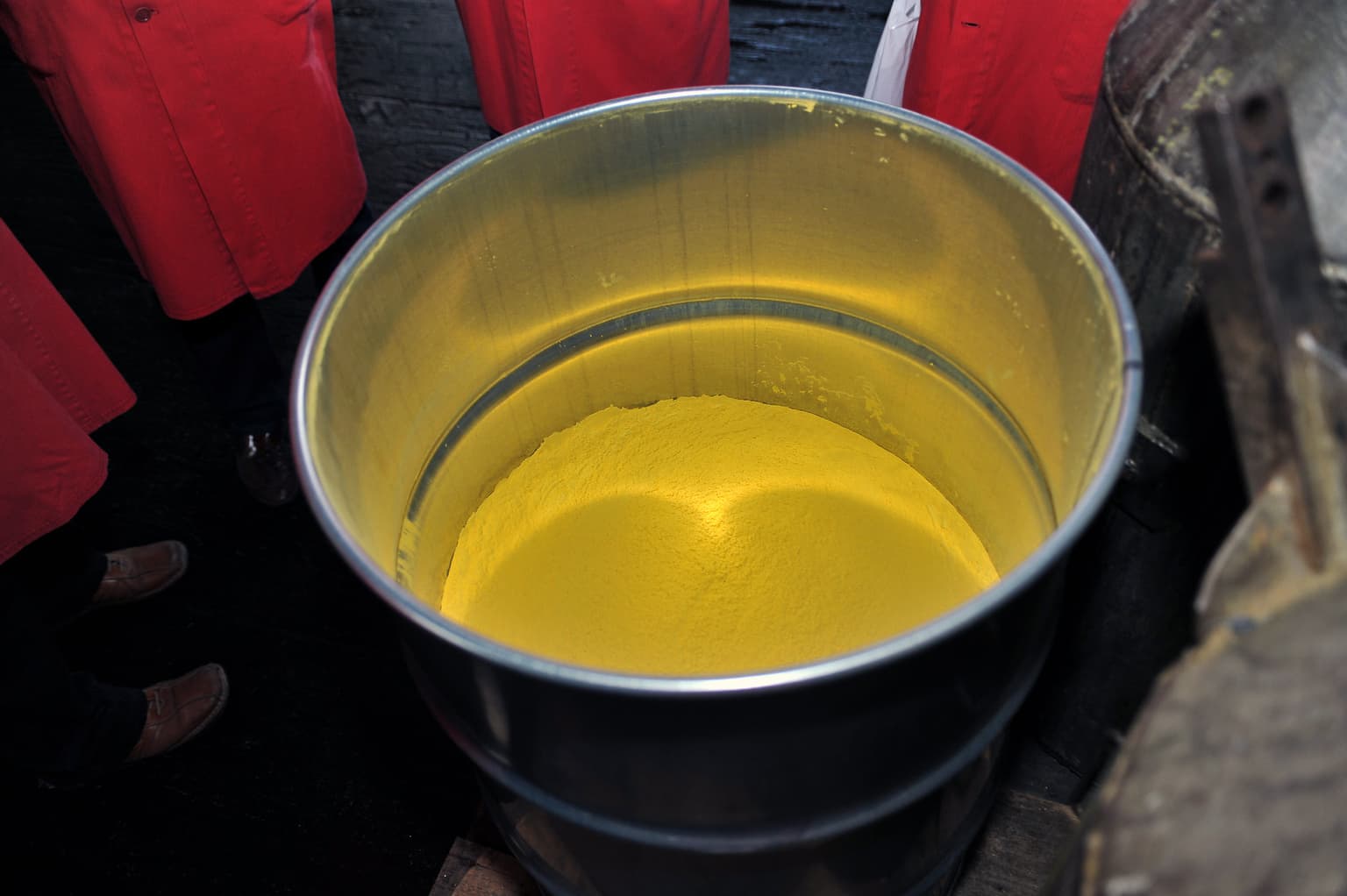
The United States has uranium concentrate conversion capacity concentrated at a single plant, creating pressure to strengthen the domestic nuclear fuel supply chain. New projects are responding to the situation, with FluxPoint Energy currently the furthest along in its effort to build another such facility. The news was reported by World Nuclear News.
Commercial conversion plants are located in five countries: Canada, China, France, Russia and the United States. The only facility in the United States currently converting uranium oxide (U₃O₈) into uranium hexafluoride (UF₆) is the Metropolis Works plant. It is operated by Solstice Advanced Materials (formerly Honeywell International Inc.) in Illinois. Built in the 1950s for military purposes, it was expanded to serve the civilian sector in the late 1960s.
You can read the full article HERE.
6. Environmentalists: Current situation shows Germany must prioritize renewables more
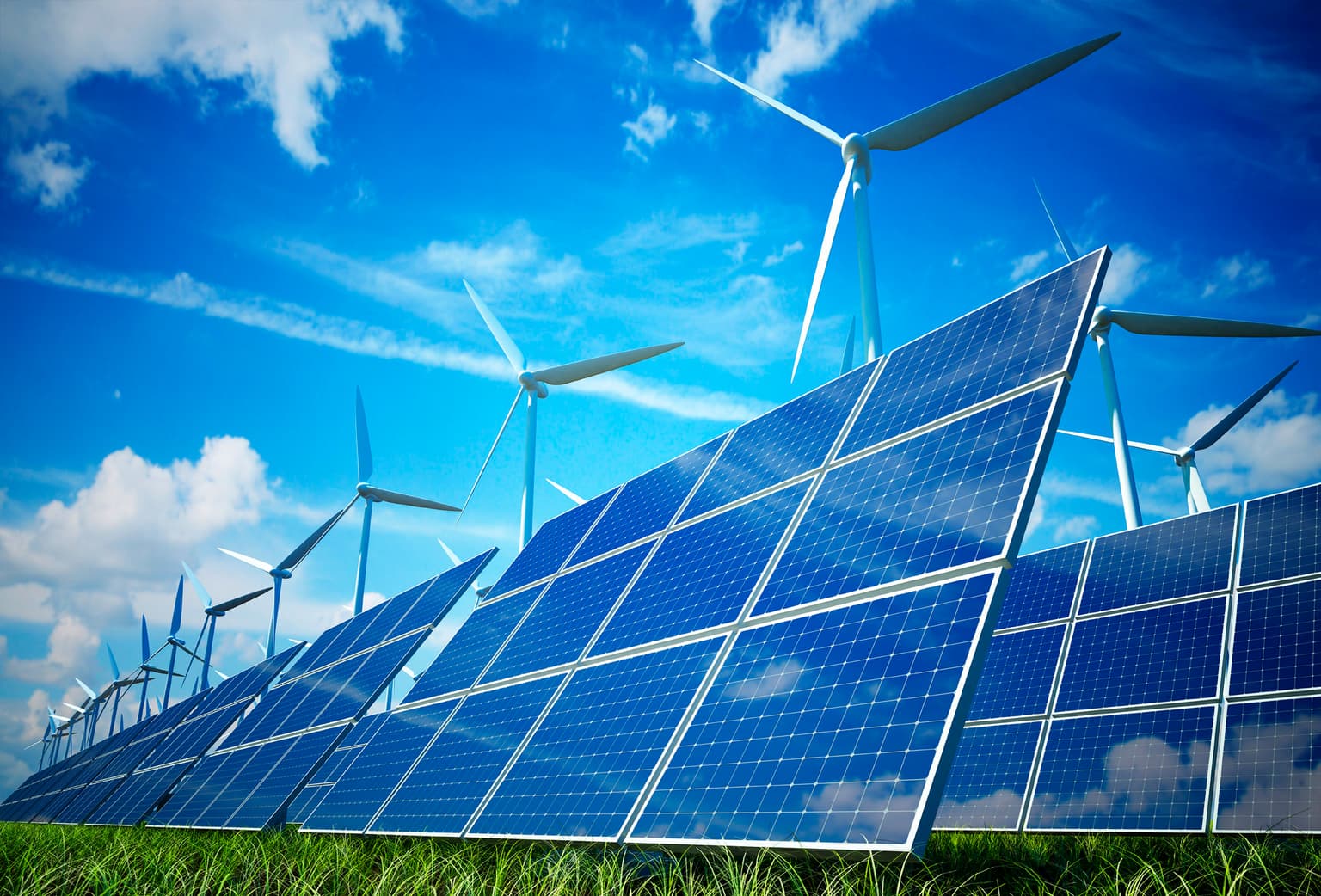
German environmental organizations say that accelerating the phase-out of fossil fuels should now be an even greater priority. Their response came, among other things, in reaction to Chancellor Merz’s remarks about possibly slowing the closure of German thermal power plants.
According to a coalition of non-governmental organizations led by Deutscher Naturschutzring (DNR), phasing out fossil fuels is not only a climate priority but also a matter of economic resilience and energy security. The news was reported by Clean Energy Wire. In light of recurring global energy crises, they say the country must urgently accelerate the transition to a system based entirely on renewable sources. This is another voice in the debate over Germany’s transition away from fossil fuels, particularly gas-fired generation.
You can read the full article HERE.
7. Poland applies for construction permit for its first nuclear power plant
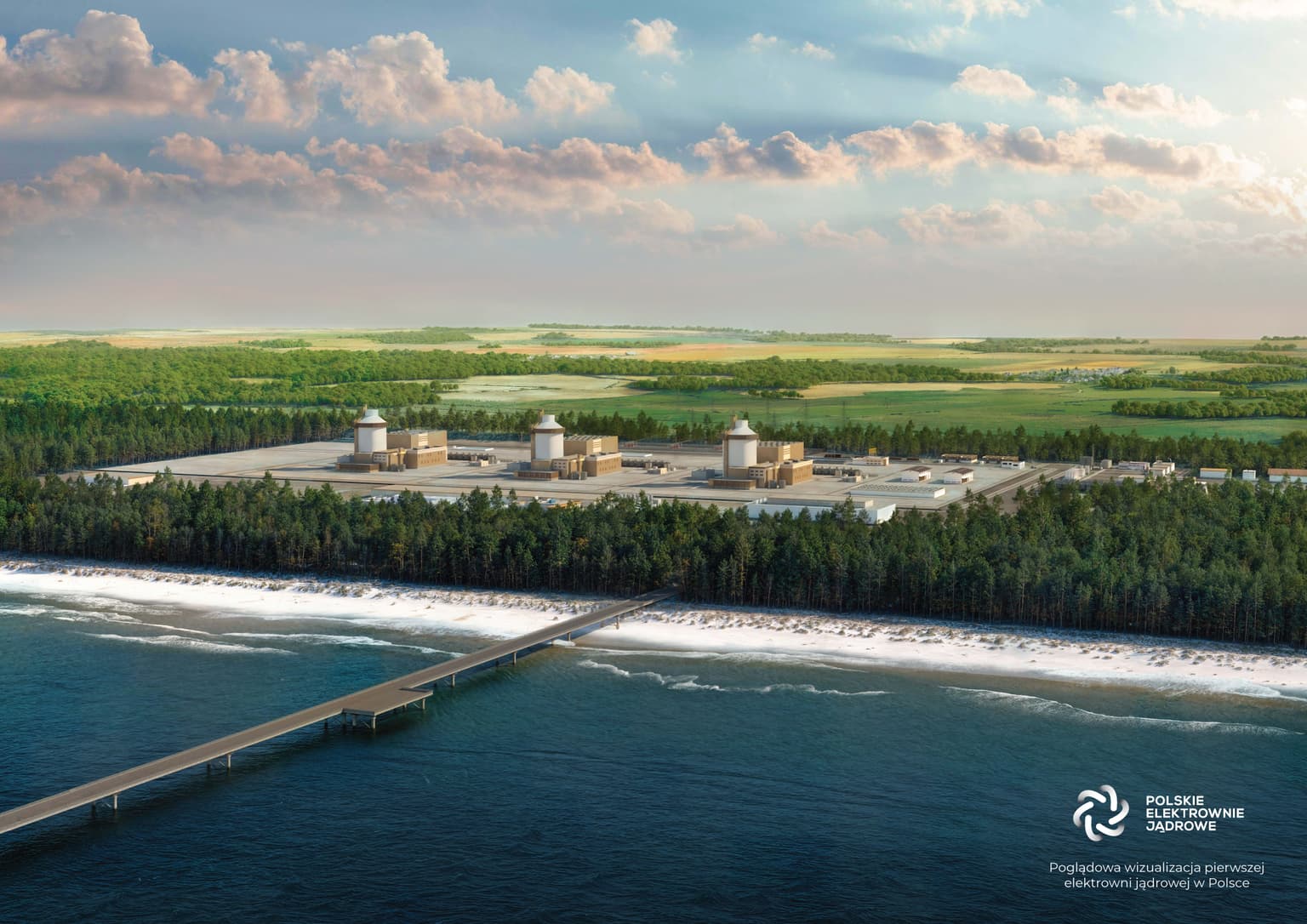
Polish state-owned energy company Polskie Elektrownie Jądrowe has formally submitted an application for a construction permit to build the country’s first nuclear power plant. The plant is planned for the Lubiatowo-Kopalino site in Pomerania.
The documentation was submitted to Poland’s nuclear regulator, Państwowa Agencja Atomistyki (PAA), and runs to approximately 40,000 pages. More than 200 experts in nuclear safety, radiation protection and other relevant fields contributed to its preparation.
You can read the full article HERE.
8. US nuclear plant Palisades reaches another milestone ahead of restart
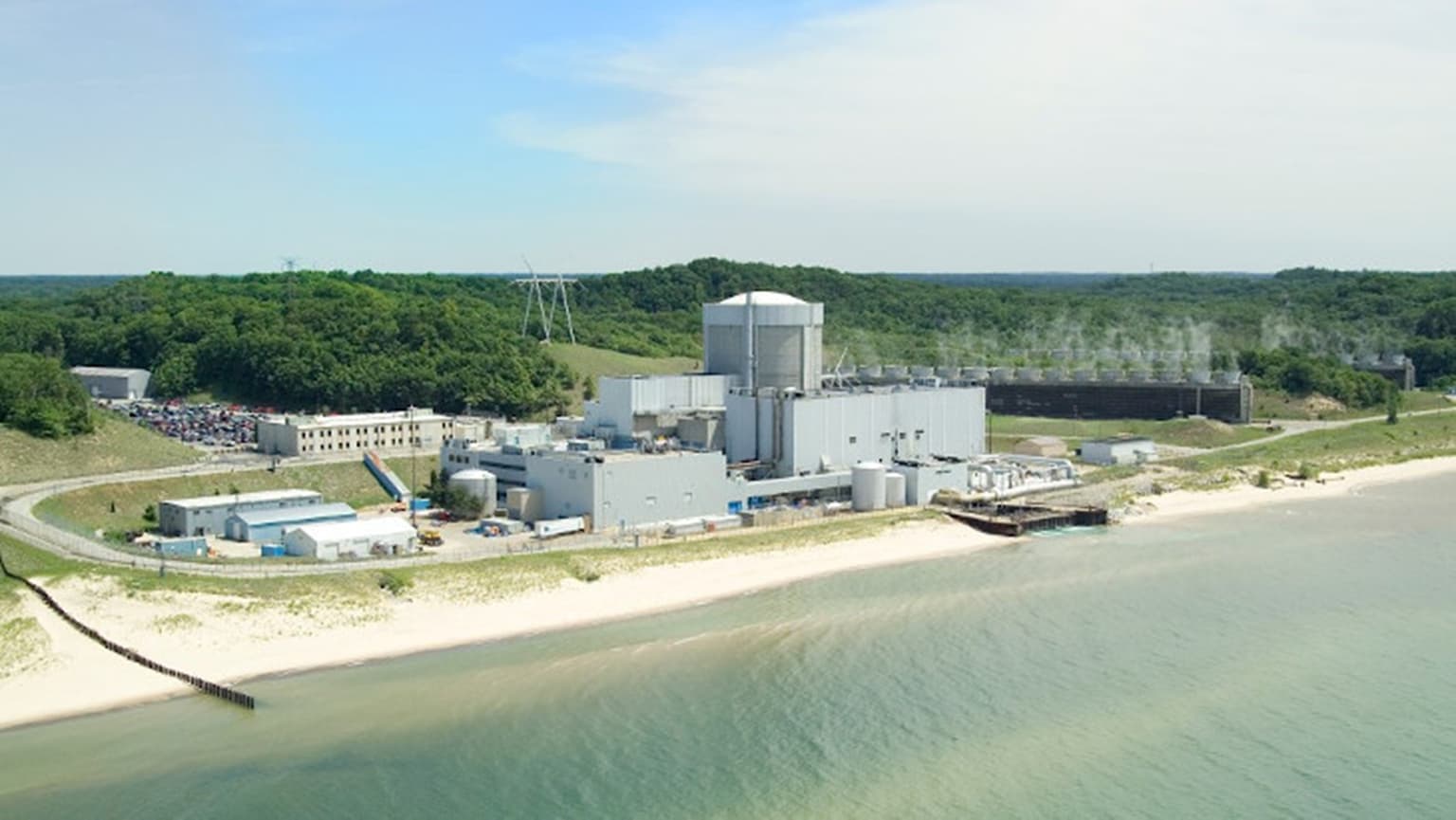
The Palisades nuclear power plant, shut down four years ago, has reached a major milestone ahead of its return to service. After extensive repairs and inspections, technicians brought the unit to operating temperature and pressure for the first time. Palisades’ original operating licence is valid until 2031, but its operator expects it to be extended by a further 20 years. The United States is making extensive use of restarts, uprates and upgrades to its existing plants—with the Department of Energy planning to add 5 GW of nuclear capacity this way over three years.
US company Holtec International announced that it had reached another milestone in restoring the shut-down Palisades nuclear power plant to operation. Technicians completed the passivation of the primary circuit, during which the unit reached operating temperature and pressure for the first time since it was shut down in 2022. Passivation forms a protective layer on the metal surfaces in the circuit, preventing corrosion. Nuclear units typically undergo this process during hot functional testing before entering service.
You can read the full article HERE.
9. New North Sea drilling may not solve price or security concerns, analysts warn

Translation disclaimer
This article is a machine translation of the Czech original and has not yet been fully reviewed. In case of any doubt, please refer to the Czech version.