Top 10 energy stories from the past week in Czechia
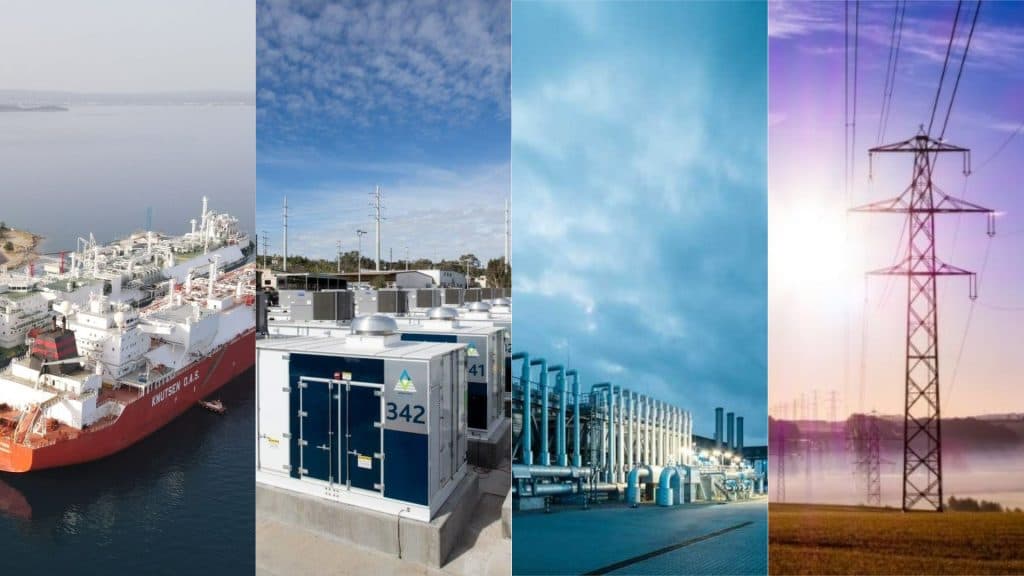
This week, we once again bring you a carefully selected list of the ten most important articles published on oEnergetice.cz. If you missed any of them, here is a selection of the stories that attracted the most interest from our readers. Best of luck in the new week!
1. Czech solar power is set for another record year, but the value of its output is falling dramatically

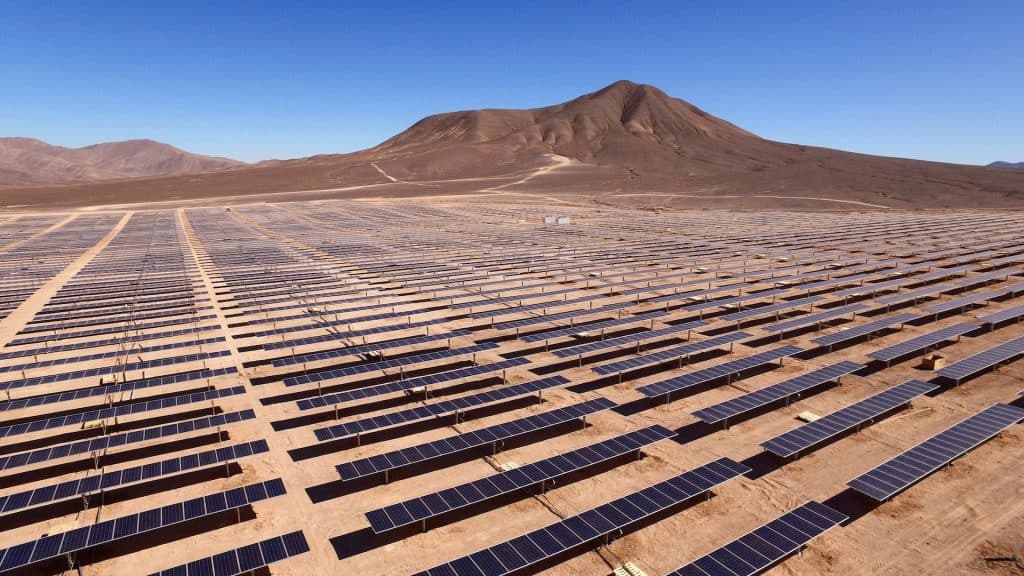
Czech solar power plants have just had a record March. Output from Czech solar PV reached 454 GWh in March, up 42% year on year. This made March the fifth month with the highest solar power generation on record. The downside, however, is the falling capture price, which stood at just 57% of the average spot market price.
The increase in installed solar power capacity added last year is now becoming fully apparent in the Czech Republic. In March, which is not typically a peak month for solar generation, output rose by 42% year on year.
Read the full article HERE.
2. Russia’s oil industry withstands sanctions as drilling hits a five-year high
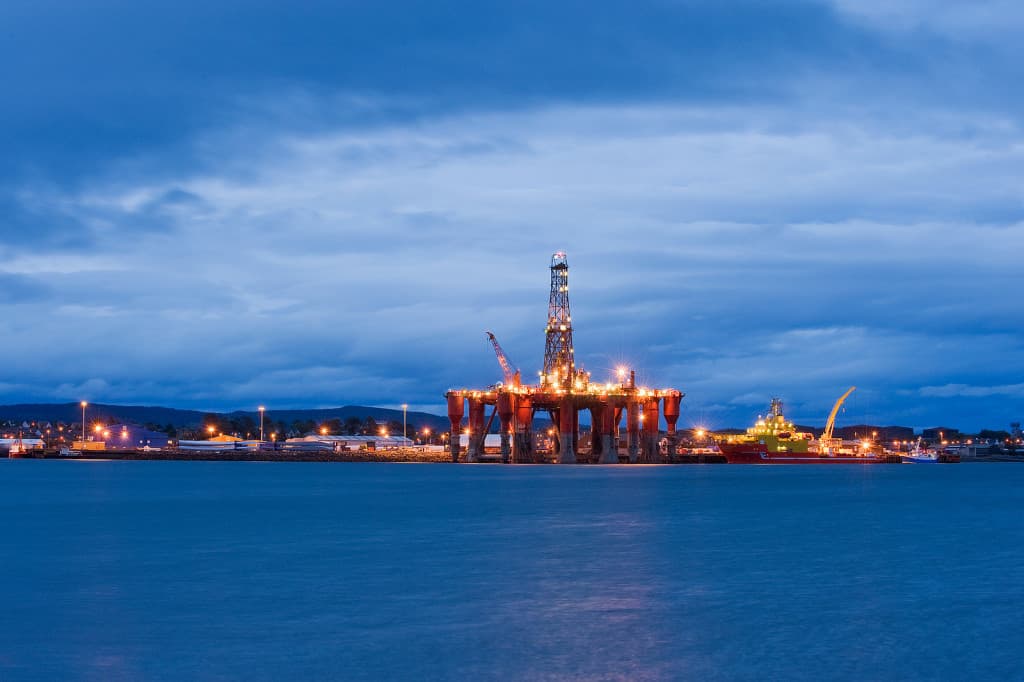
Russian oil producers are currently drilling at the fastest pace in at least five years. They are preparing for a possible increase in production quotas within OPEC+, of which Russia is a member, as well as a potential easing of international sanctions related to the war in Ukraine. Activity among producers is now a third higher than before the war began and is further evidence of the Russian oil sector’s resilience to Western sanctions. Those sanctions were intended to restrict Russian producers’ access to modern technology and cripple the country’s ability to extract oil over the long term, Bloomberg reported.
Drilling activity means that Russia’s total capacity to produce crude oil and condensate—a lighter form of oil produced during natural gas extraction—stands at 11 million to 11.5 million barrels per day. That is almost the same level as in 2016, said Ronald Smith, an analyst at Emerging Markets Oil & Gas Consulting Partners LLC.
Read the full article HERE.
3. EU prepares new ecodesign rules affecting steel, clothing and furniture

The European Commission plans to significantly revise the framework for product ecodesign rules between 2025 and 2030. This will affect how key industrial sectors in the EU manufacture, label and bring their products to market.
Under the Ecodesign for Sustainable Products Regulation (ESPR) and the updated Energy Labelling Regulation, the EU will focus on regulating product design in sectors such as steel, aluminium, clothing and furniture, as well as tyres and mattresses. ESG News reported the plans.
Read the full article HERE.
4. Energy prices turned negative over Easter amid a power surplus on the grid

Market energy prices turned negative over Easter in response to a surplus of electricity on the Czech grid. The effect was most pronounced on Sunday, when the weather was sunny and demand was low. However, the state-owned transmission system operator ČEPS was able to balance the system using standard services; unlike two years ago, there was no need to disconnect certain power plants from the grid as an emergency measure. This is according to information from ČEPS.
“Negative prices were recorded in some hours around midday on the day-ahead market during the Easter holidays,” said Lukáš Hrabal of ČEPS.Read the full article HERE.
5. China seeks new LNG suppliers as trade war turns it away from the US
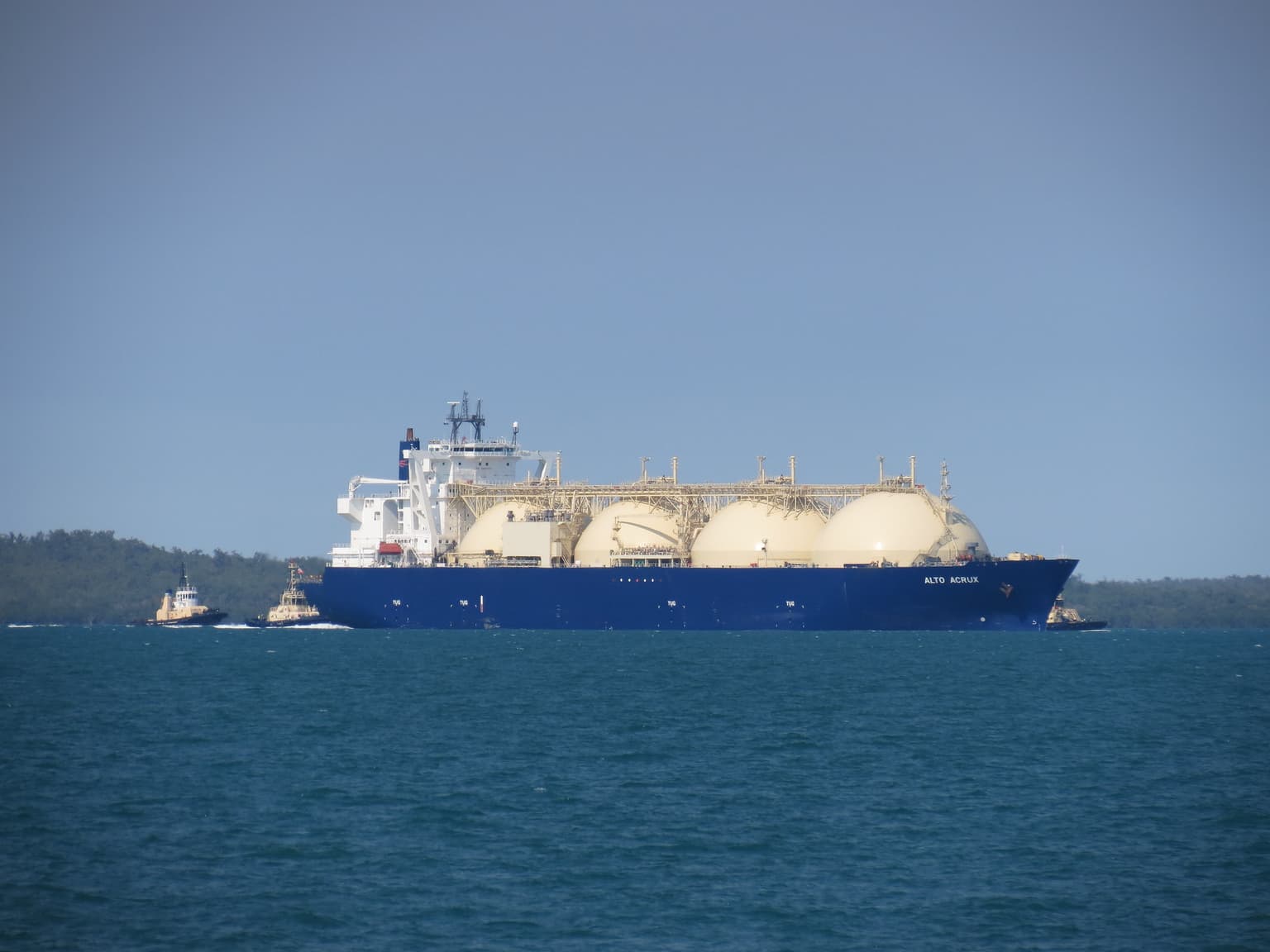
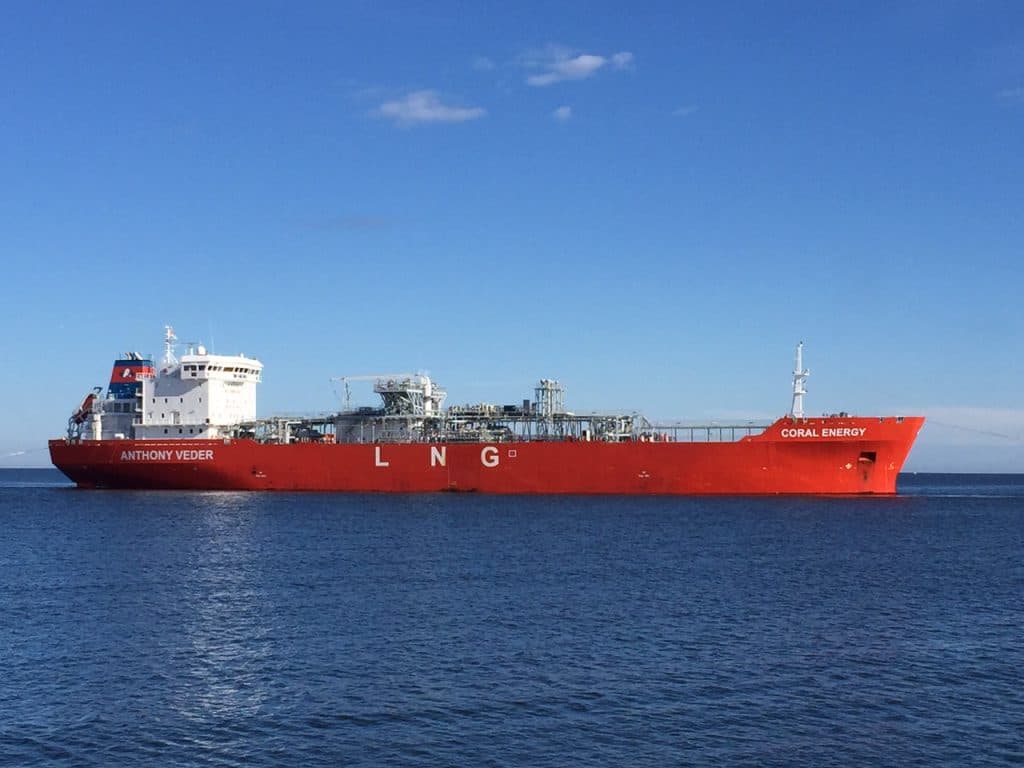
The trade war between the US and China, which has escalated in recent weeks with successive tariff increases, is beginning to have tangible effects. Reciprocal tariffs on imports between the two countries, now running into the hundreds of percent, are making trade between them significantly more expensive. The tariffs also affect liquefied natural gas (LNG) imports, with China having completely stopped importing LNG from the US in March. China is therefore seeking alternative sources, with recent agreements with the United Arab Emirates among the latest examples.
International trade tensions are escalating as the US and affected countries introduce import tariffs. The effects are also evident in the energy sector, where concerns about a global trade war have led to a sharp drop in energy commodity prices in recent weeks. Tariffs that make trade between the US and, in particular, China more expensive are also prompting goods to be rerouted.
Read the full article HERE.
6. Europe’s offshore wind power plant: ambitious plans to connect wind farms
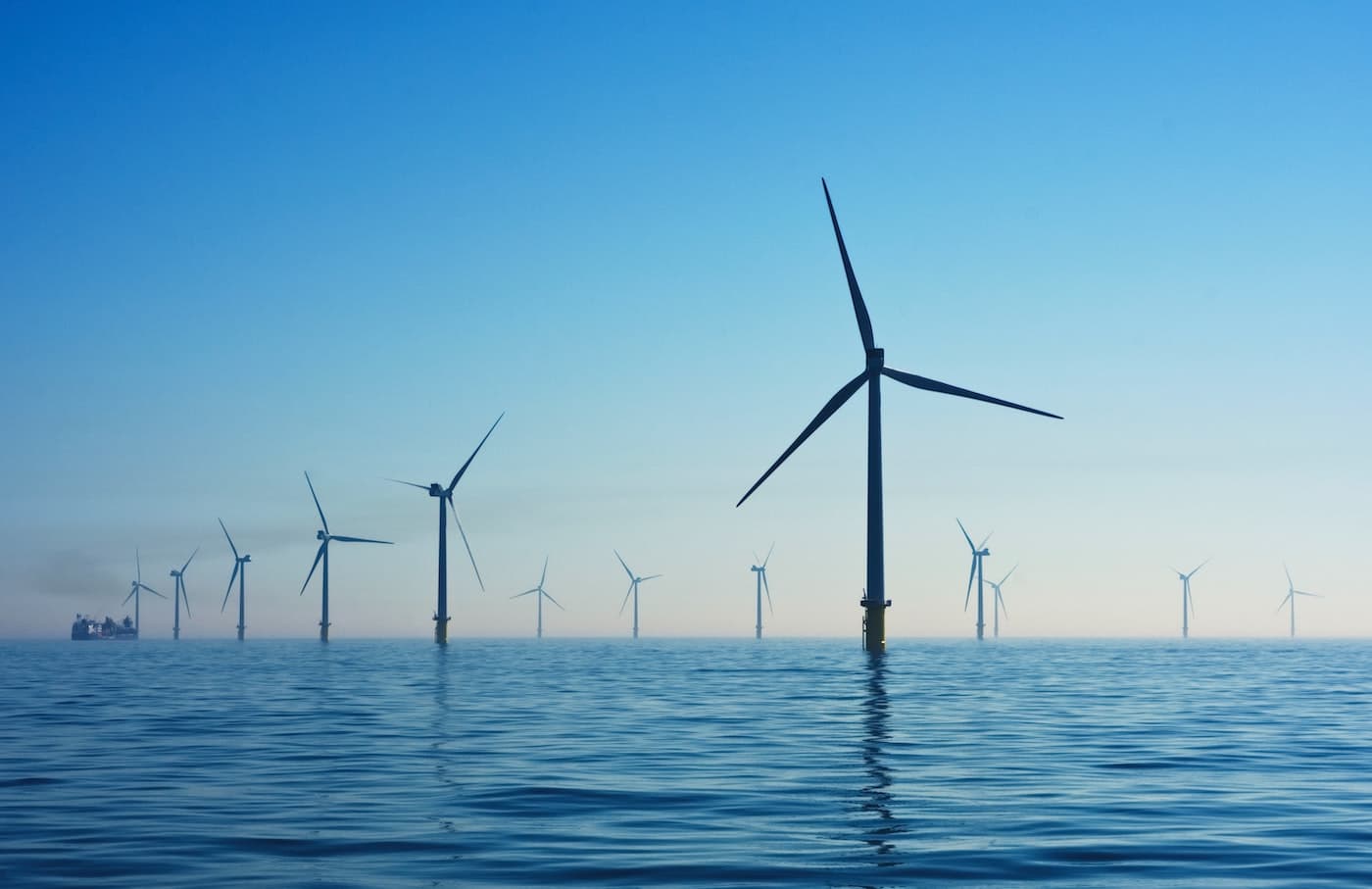
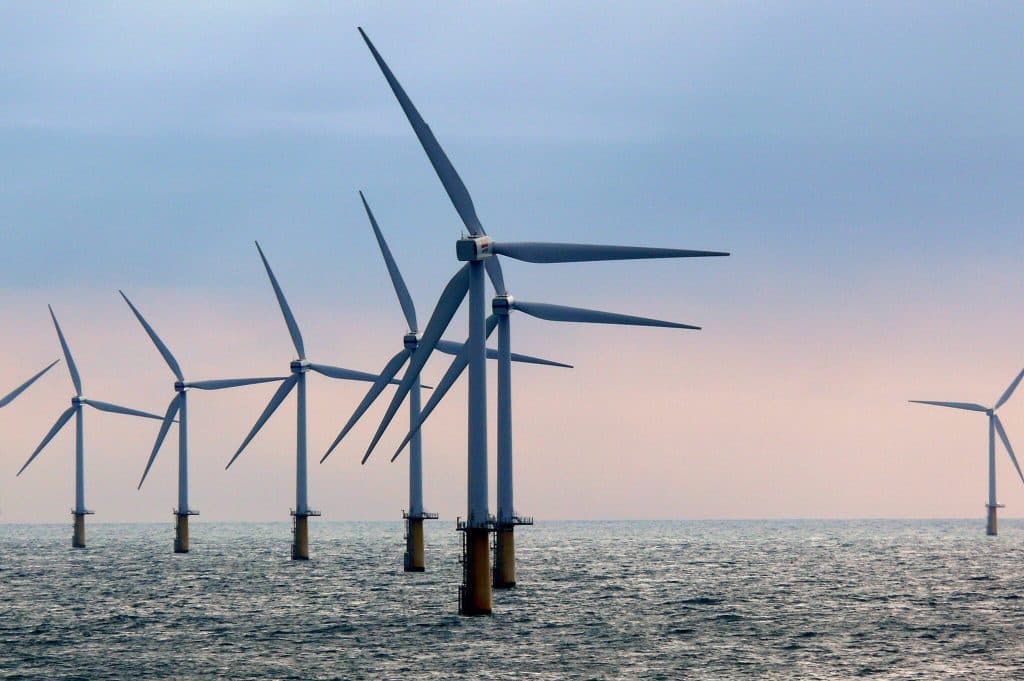
Transmission system operators in the northern seas have presented the findings of a pilot study focused on developing a shared European offshore grid in the North Sea. The study says that using the North Sea as Europe’s power plant will play a key role in ensuring the continent has independent, affordable and decarbonised energy supplies.
Over the past three years, transmission system operators in the northern seas (the North Sea, Irish Sea and Celtic Sea) have worked together to develop offshore infrastructure in the region through the Offshore Transmission System Operator Collaboration (OTC). The aim is to significantly increase installed wind power capacityin the northern seas.
Read the full article HERE.
7. Germany’s hydrogen dream: targets are slipping away—what next?

Germany should act quickly to kick-start the development of its hydrogen economy. The current target of 10 GW of electrolyser capacity by 2030 is no longer achievable due to a lack of activity, and the country will be “lucky” to reach even 5 GW. The Association of German Engineers (VDI) said so, according to Clean Energy Wire.
Although the recently signed coalition agreement between Germany’s conservative CDU/CSU alliance and the Social Democrats (SPD) contains some positive signals for the development of hydrogen projects, many aspects remain too “vague”, according to VDI.
Read the full article HERE.
8. Innovative material for nuclear power plant containment structures passes tests

A US research team led by GE Hitachi Nuclear has successfully tested an innovative construction block intended for use in building nuclear power plants. Engineers plan to use the steel-and-concrete composite for a nuclear unit’s containment structure, reducing both construction costs and the time required. The team plans to license the technology for practical use, starting with BWRX-300 small modular reactors in Canada.
The US Department of Energy announced a major breakthrough in one of the advanced construction technology projects it funds. As part of an effort to find ways to reduce the cost of building nuclear units, a research team led by GE Hitachi Nuclear developed a modular system for constructing a nuclear unit’s containment structure. The containment is the protective shell around a nuclear reactor and its primary circuit, designed to withstand events such as an earthquake or an aircraft impact.
Read the full article HERE.
9. Industry associations: Faster deployment of gas and renewables will bolster energy security
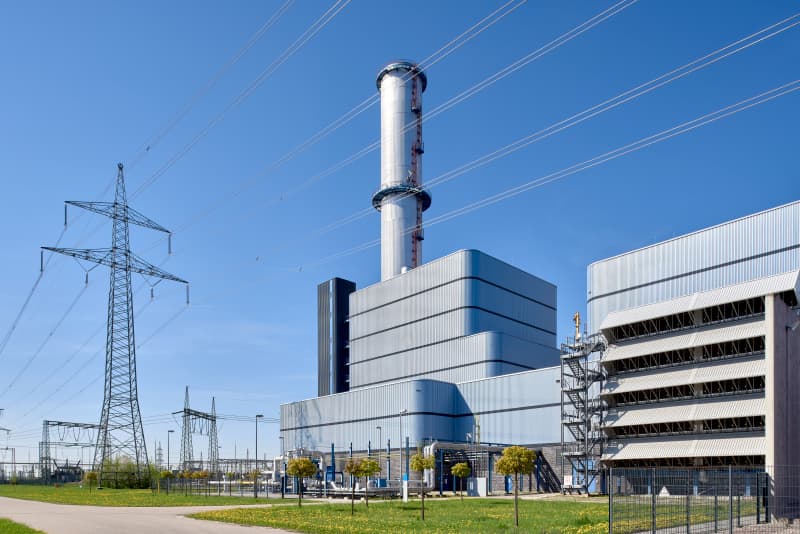
An amendment to the Energy Act, known as Lex Gas, will speed up the construction of new gas-fired and renewable energy sources, which is crucial to ensuring Czechia’s energy security. Industry and trade association representatives said this in response to the amendment’s approval by the Chamber of Deputies today. They also highlighted further steps the government needs to take. The amendment will now be considered by the Senate.
According to Minister of Industry and Trade Lukáš Vlček (STAN), the amendment’s approval is a major step towards ensuring reliable electricity supplies in the coming decades. “Gas will serve as a transitional but essential source as we move away from coal and towards nuclear and renewable energy. This will ensure stable energy supplies for households and businesses and strengthen our energy security,” the minister said. He also pointed to the ban on so-called energy dumpers, which he said would prevent waste.
Read the full article HERE.
10. EU to unveil plan to end imports of Russian fuels in two weeks
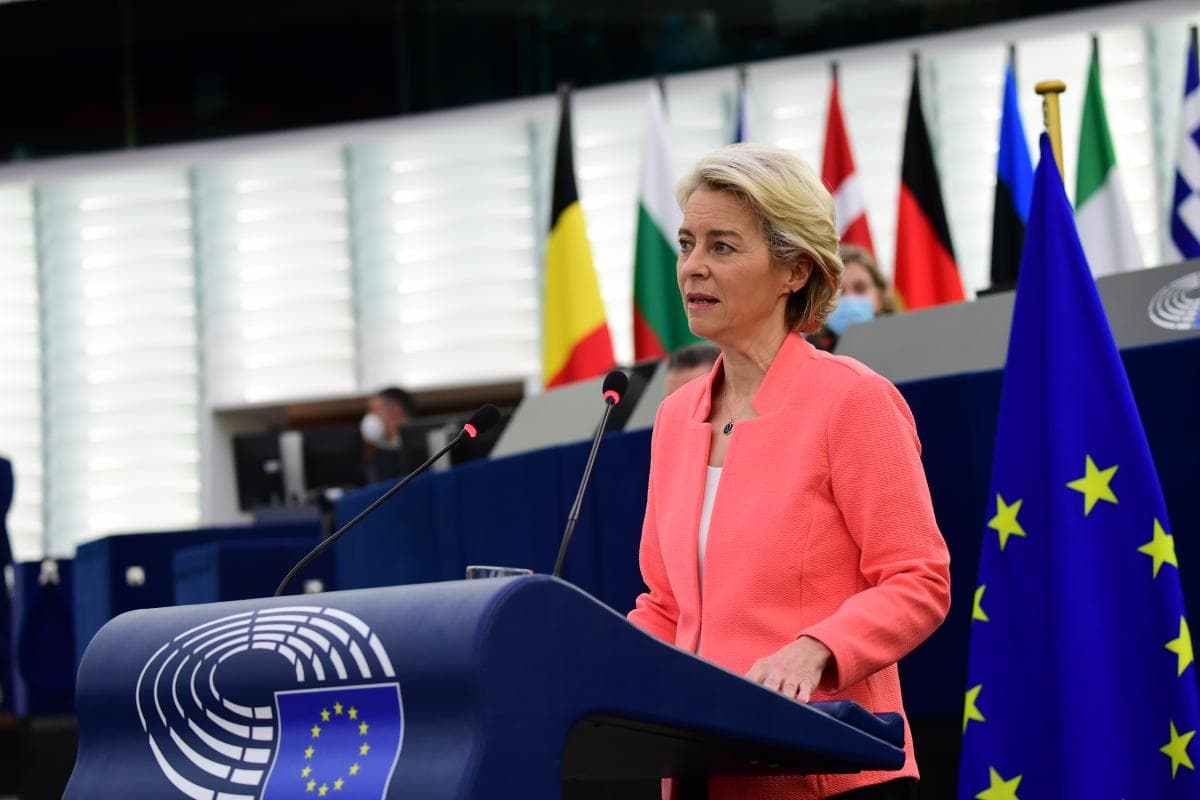
London/Brussels, 24 April (CTK) – The European Commission will unveil a plan in two weeks setting out how it intends to gradually end all imports of Russian fossil fuels. European Commission President Ursula von der Leyen made the announcement today at an international summit on energy security in London.
The Commission had originally been due to present its “roadmap to end Russian energy imports” by 2027 at the end of March, but its publication has been postponed several times. Energy Commissioner Dan Jørgensen said experts had been working intensively on the document in recent weeks. In particular, it is important that ending dependence on Russian gas does not harm EU citizens, Jørgensen added. The plan is now expected to be published on 6 May.
Read the full article HERE.
Energostat: electricity generation in Czechia
Energostat: electricity generation in Germany
Find more up-to-date charts and data on Energostat
Translation disclaimer
This article is a machine translation of the Czech original and has not yet been fully reviewed. In case of any doubt, please refer to the Czech version.