
23 October 2026, 11:01
Loading...
Top 10 energy stories of the past week
oEnergetice.cz
22 March 2026, 21:32

This week, we once again bring you a carefully selected list of the ten most important articles published on the oEnergetice.cz website. If you missed any of them, here is a selection of the articles that attracted the most attention from our readers. Good luck in the new week!
1. Two weeks after the attack on Iran: Russia profits while the Saudis and others bleed

According to the Financial Times, Russia has earned between USD 1.3 billion and USD 1.9 billion in oil export taxes alone since the start of the US-Israeli war against Iran. If the situation continues, Russia could earn an additional USD 3.3 billion to USD 4.9 billion by the end of March, the newspaper reported. By contrast, the Gulf states have lost around USD 15 billion in less than two weeks.
According to many analysts, Russia is one of the actors benefiting greatly from this war, if not the one benefiting the most. While Russia is helping Iran on the battlefield by sharing information, Russia's oil sector is likely pleased by the US-Israeli attack on Tehran.
Read the full article HERE.
2. First sodium-cooled Natrium nuclear reactor receives construction permit in the US

The US nuclear regulator has issued a construction permit for the Natrium advanced nuclear reactor project at the Kemmerer power plant. The 345 MW sodium-cooled fast reactor uses a molten-salt energy storage system, allowing it to increase its output to as much as 500 MW for several hours. TerraPower began preparatory work two years ago and can now start official construction. The unit is expected to enter service in 2030.
US company TerraPower announced that it had received a construction permit for its Natrium nuclear reactor from the Nuclear Regulatory Commission (NRC). The first commercial sodium-cooled fast reactor will be built at Kemmerer in the state of Wyoming. The 345 MW reactor is equipped with a molten-salt-based energy storage system and can temporarily increase its output to as much as 500 MW.
Read the full article HERE.
3. ČEZ Distribuce presents CZK 23 billion investment plan to develop the grid through 2035

ČEZ Distribuce has published a draft ten-year development plan for its regional distribution system for 2026–2035. The document sets out planned investments in power lines, substations and grid modernisation to meet growing demand for connections for new generation sources, particularly solar power, as well as rising electricity consumption driven by electric vehicles and heat pumps. Total investment in major grid projects is expected to exceed CZK 22.9 billion in the first five-year period.
ČEZ Distribuce operates the largest regional distribution system in the Czech Republic. Its infrastructure covers approximately 66% of the country and supplies electricity to more than 3.8 million consumption points. The total length of power lines in the network exceeds 170,000 km, of which approximately 10,000 km are very-high-voltage lines (110 kV).
Read the full article HERE.
4. EG.D presents its distribution grid development plan for the next ten years

EG.D has published a draft ten-year development plan for its distribution system for 2026–2035. The document outlines planned investments in power lines, substations and grid modernisation to meet growing demand for connections for new electricity sources, particularly solar power plants, as well as the gradual rise in consumption associated with electric vehicles, the electrification of heating and new industrial projects. The plan is currently open to public consultation, as are the two other plans from distribution companies ČEZ Distribuce and PREdistribuce, before they are submitted to the Energy Regulatory Office.
EG.D is the Czech Republic’s second-largest electricity distributor by service area. Its distribution system covers approximately 26,499 km², equivalent to around one-third of the country’s area. The company supplies electricity to more than 1.59 million consumption points, the vast majority of which are connected to the low-voltage network.
Read the full article HERE.
5. Ten EU countries, including Czechia, call for thorough review of the emissions trading system
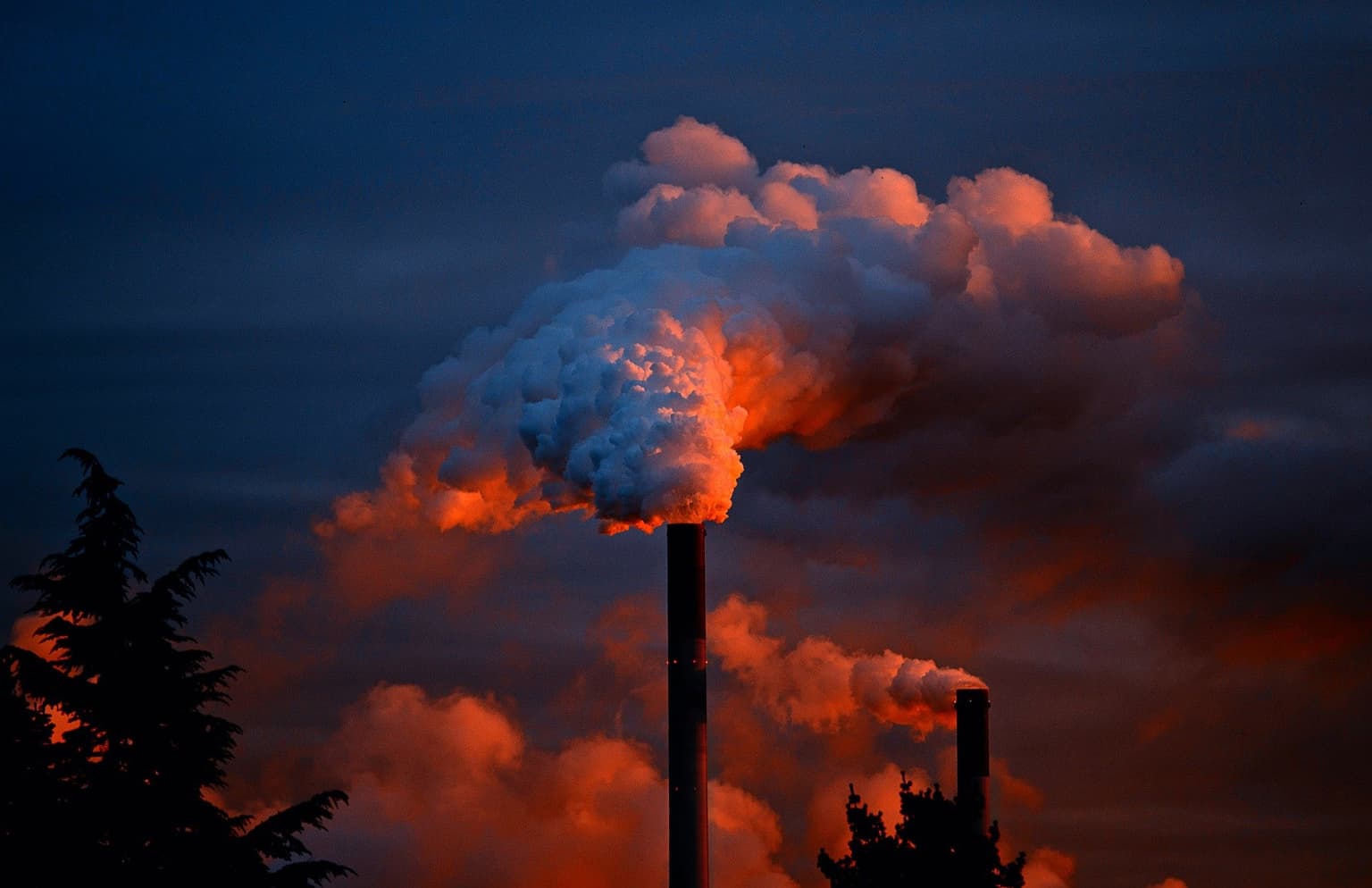
Brussels, 18 March (ČTK correspondent) – Ten countries, including the Czech Republic, are calling on the European Union to thoroughly review the EU ETS emissions trading system. They say the European Commission should present its review of the ETS by the end of May, rather than waiting until summer. The letter addressed to European Commission President Ursula von der Leyen and European Council President António Costa was signed by the prime ministers of Czechia, Italy, Austria, Poland, Bulgaria, Croatia, Greece, Hungary and Slovakia, as well as the president of Romania. Reform of the emissions trading system will be one of the main topics at the EU summit, which begins in Brussels on Thursday.
"Europe is at a critical crossroads. Decisions made today on competitiveness will determine our prosperity, technological leadership and strategic autonomy for decades to come," says the letter, which ČTK has seen.
Read the full article HERE.
6. High energy prices fuel debate over the future of emissions allowances
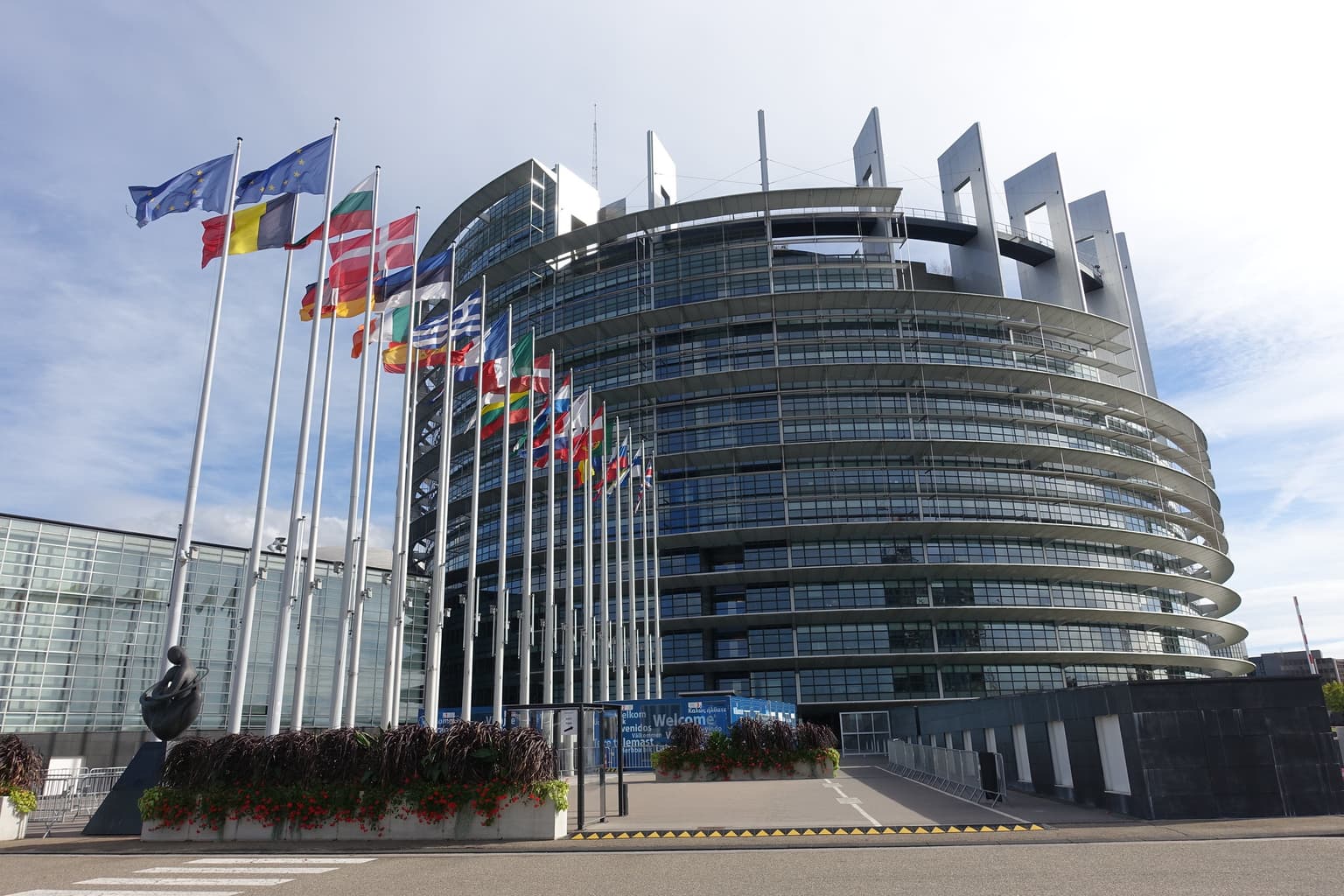
The war in the Middle East has sent energy commodity prices soaring, setting new highs for the year. Rising energy prices are adding momentum to calls to revisit the EU ETS emissions trading system and its impact on the competitiveness of European businesses.
Since 28 February, the Persian Gulf region has been affected by the ongoing conflict with Iran. Disruptions to shipping in the Strait of Hormuz have had a significant impact on commodity prices. Oil is among the main commodities affected: its price has exceeded USD 100 per barrel twice since the conflict began. This represents an increase of approximately 40%. European gas prices have reacted even more sharply, reaching close to EUR 60/MWh—around twice their level in mid-February. The TTF contract for delivery in April is currently trading above EUR 50/MWh.
Read the full article HERE.
7. Bloomberg: Renewables in the EU are cushioning the impact of the war against Iran on energy prices

European countries are weathering the current rise in oil and gas prices caused by the war in the Middle East better than during the 2022 energy crisis following Russia’s invasion of Ukraine, thanks to diversified energy sources and the rapid growth of renewables. Bloomberg said this in its analysis. Wholesale electricity prices in Germany and France have remained relatively stable and have even fallen in recent days, despite a sharp rise in oil prices. This points to greater resilience in Europe’s energy system.
According to the analysis, the growing share of renewables, especially solar and wind power, plays a key role in cushioning price shocks in electricity markets. "The electricity market is much more diversified than the oil market, and is therefore better able to withstand disruptions to oil or gas supplies," said Morgane Trieuová Cuotová, trading director at Swiss energy company Alpiq Holding.
Read the full article HERE.
8. Survey: Two-thirds of Germans view the government’s energy policy negatively

The transformation of Germany’s energy sector has long been a major issue, with both supporters and opponents. The shift from fossil fuels and nuclear power to renewables has traditionally enjoyed strong public support in the country. Concerns about rising energy prices and impacts on competitiveness, however, are eroding public support, putting pressure on the federal government to ease up on the development of renewables. Germany is therefore facing a contradictory situation: the public is becoming increasingly concerned about the impact of high costs, while also opposing cuts to support for new energy sources.
In recent years, public support for Germany’s energy policy has been shifting, with concerns about economic impacts, high energy prices and competitiveness beginning to outweigh climate priorities. However, the public also disapproves of plans to reduce support for renewables or relax regulations on heating systems.
Read the full article HERE.
9. Emissions allowances work but need modernising, von der Leyen says
Brussels, 20 March (ČTK correspondent) – European Commission President Ursula von der Leyen says the ETS emissions trading system is working. However, it needs to be modernised and made more flexible, she said at a press conference after the EU summit. The European Commission therefore plans to focus on the four main components of electricity prices: generation costs, grid and transmission charges, taxes and levies, and the cost of emissions allowances.
Von der Leyen largely reiterated proposals she had made earlier, including in a letter at the beginning of this week. She urged EU countries to use existing EU rules to cut taxes and apply state aid rules more flexibly in order to support businesses and households in difficulty.
Read the full article HERE.
10. Oil prices fall after Israel pledges not to target energy infrastructure; Iran also scales back attacks
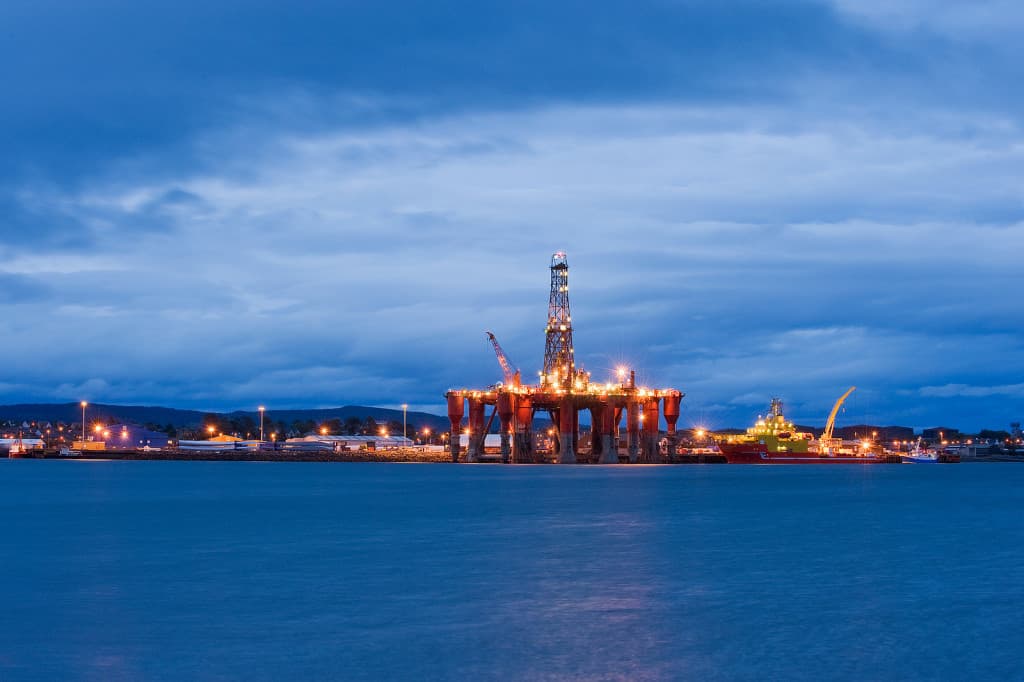
Oil prices are falling today after Israel said it would stop attacking energy infrastructure. The number of Iranian attacks on energy infrastructure has also declined compared with the start of this week, helping to ease the rise in oil prices, which had previously been close to four-year highs, Bloomberg reported.
At around 09:30 CET, North Sea Brent crude was down 1.26% at USD 107.34 per barrel. At the same time, US light crude WTI was down 1.26% at USD 94.35 per barrel.
Read the full article HERE.
Opinion
Three million litres of fuel from one wind turbine: dream or reality?
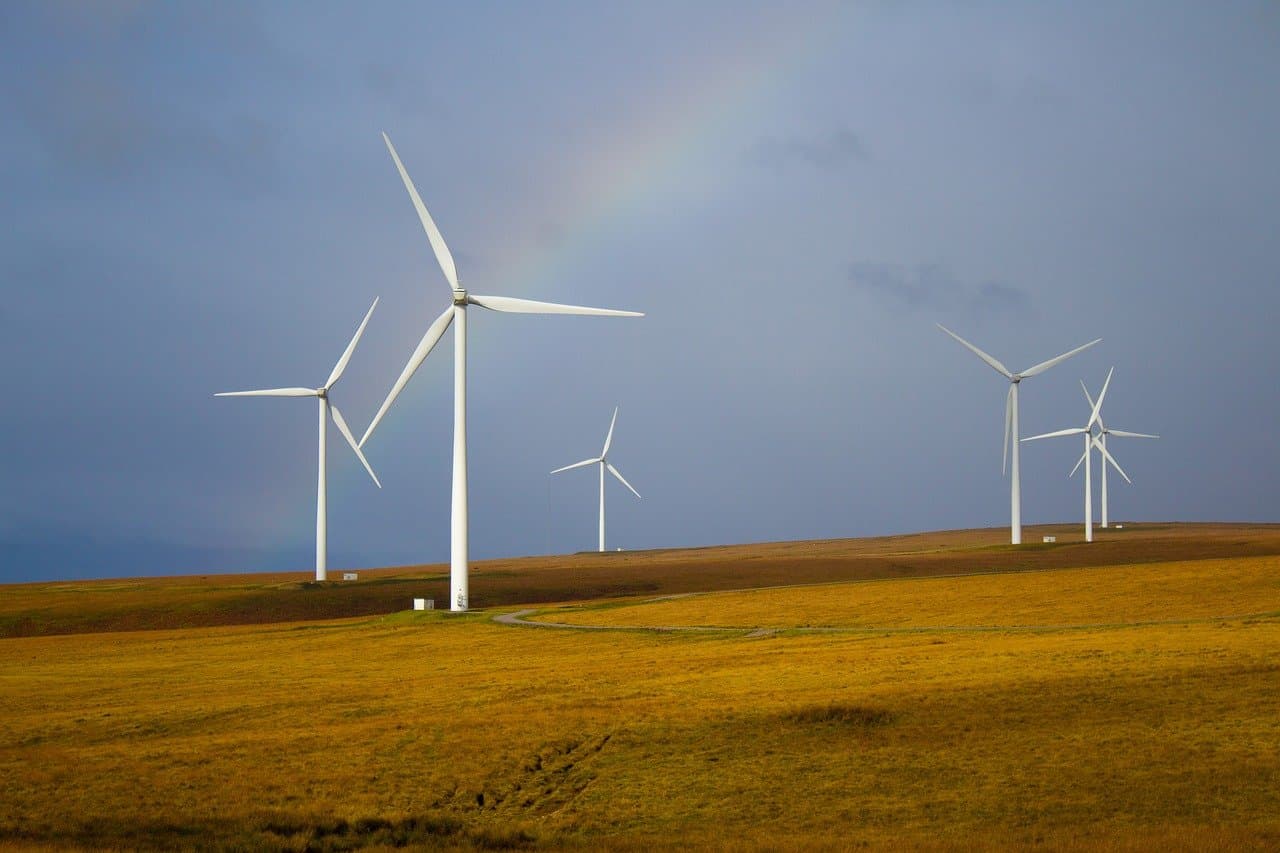
Recent events have once again laid bare the vulnerability of our dependence on oil, as instability in the Middle East sent global oil prices soaring, with prices passing the symbolic threshold of $100 per barrel on 9 March 2026.
Article
When oil last reached similar levels, around the summer of 2022, petrol in Czechia cost around 47 crowns per litre and diesel about 48 crowns per litre.
Read the full article HERE.
Energostat: electricity generation in the Czech Republic
Data in this chart is also available in 15-minute resolution60min15min
Energostat: electricity generation in Germany
Data in this chart is also available in 15-minute resolution60min15min
Find more up-to-date charts and data on Energostat
Translation disclaimer
This article is a machine translation of the Czech original and has not yet been fully reviewed. In case of any doubt, please refer to the Czech version.
Sdílejte článek prostřednictvím:
Topics:Energy Weekly
You might also like


23 October 2026, 06:34

