27 October 2026, 06:15
Loading...
European Commission: sanctions package against Russia will also affect Russian LNG
Veronika Jurcová
9 June 2024, 10:12
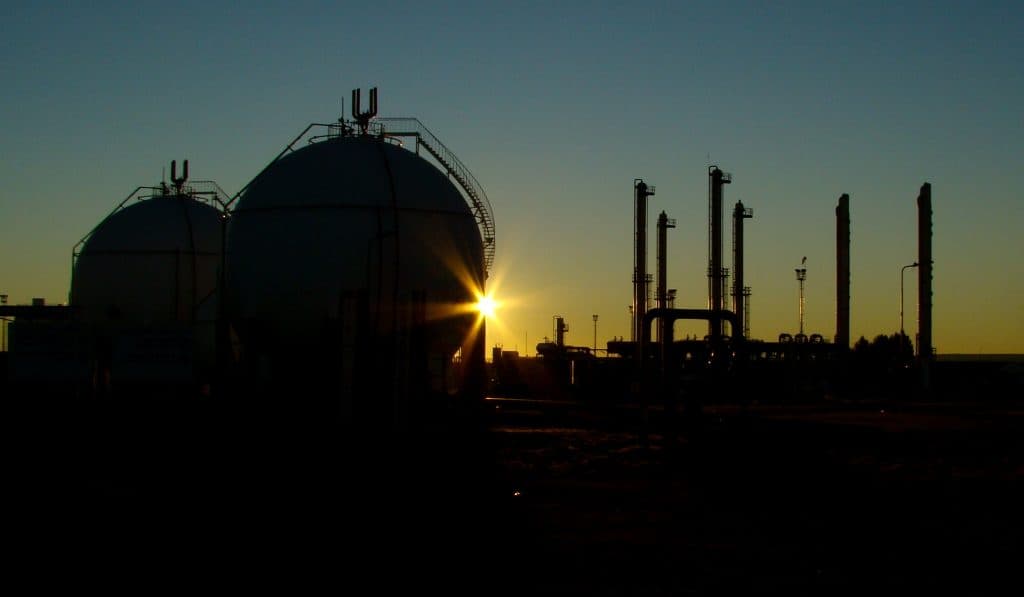
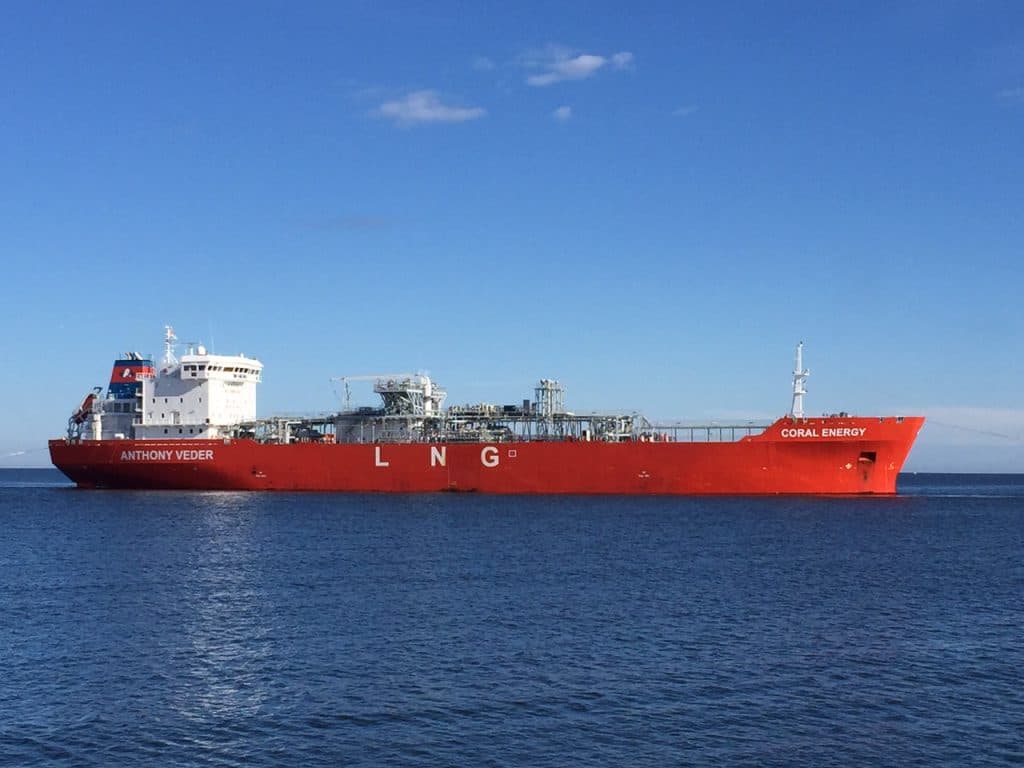
The European Commission is preparing its 14th sanctions package against Russia, which is also expected to target the transshipment of Russian LNG. The measures should make it more expensive for Russian companies to transport liquefied gas, but should not affect the volume of gas traded or have a significant impact on the global LNG market, Energy Commissioner Kadri Simson told S&P Global.
The European Union expects to finalize its 14th sanctions package against Russia in June, with measures targeting the transshipment of Russian LNG, as well as investment and the provision of goods, technologies and services by EU operators to complete three LNG projects under construction: Arctic LNG 2, Ust-Luga and Murmansk.
European leaders are due to meet twice in June to fine-tune their common position on adopting the sanctions. The aim is to finalize the sanctions package before Hungary takes over the EU presidency in July.
The expected move by the EU comes as the US and the UK have approved sanctions against Novatek's Arctic LNG 2 project, which has a total planned production capacity of 19,8 million tonnes per year. Russia's largest LNG producer, Novatek, suspended the Arctic LNG 2 project in April because of sanctions and a shortage of LNG tankers. The project originally envisaged the construction of 21 Arc7 LNG icebreakers, designed for operation in icy conditions.
The Commission expects the proposal to have no major impact on international LNG markets, which are currently sufficiently liquid. The sanctions will restrict transshipment, but Russia will still be able to sell its gas to other countries, albeit at higher costs and lower revenues because it will need to find alternative vessels and ways to transport LNG over longer distances. The total volume of gas on the global market will remain unchanged.
"Europe will limit Russia's ability to increase LNG production. We are using our sanctions regime to do this. It will not affect current production volumes, but it will prevent Russia from earning additional premiums by liquefying its gas and selling it on global markets," Simson said.
Restrictions on Russian LNG tankers entering European terminals mean the EU needs to extend its gas-saving measures.
Meanwhile, gas consumption in Europe rose by 1% in the last quarter of 2023, the first increase in two years. Imports of natural gas from the Russian Federation are also growing, up 19% year on year. In the Czech Republic, gas that flows through Slovakia and is apparently from Russia accounted for 3,8 percent of total supplies from January to the end of November last year.
Simson also pointed out that EU member states already have additional legal tools at their disposal to limit the entry of Russian gas into European networks, under the EU package on decarbonized gas and hydrogen adopted on 21 May. It allows European governments to block imports of gas from Russia and Belarus, whether by pipeline or as LNG, by preventing Russian companies from booking capacity in gas infrastructure.
Commissioner Simson also commented on the G7 communiqué issued in Turin in April, which supports ending significant dependence on Russian gas and working as quickly as possible to move away from imports of Russian gas.
"This agreement was reached because everyone recognizes that Russia's gas industry is sponsoring the war economy. So every molecule of gas we buy from Russia gives revenue to the aggressor to fund this destruction in Ukraine. It is our moral duty to stop financing the Russian war machine," Simson said.
Europe has pledged to stop buying Russian gas by 2027, with another key date coming in December 2024, when the gas transit agreement between Ukraine and Russia expires. Since the Ukrainians refuse to negotiate with Russia unless it withdraws from their territory, Europe expects to lose 14 billion m³ of gas transported through Ukraine. Nevertheless, it is prepared for this situation thanks to alternative suppliers and supply routes.
Translation disclaimer
This article is a machine translation of the Czech original and has not yet been fully reviewed. In case of any doubt, please refer to the Czech version.
Sdílejte článek prostřednictvím:
You might also like
26 October 2026, 19:59
26 October 2026, 14:24