EU is heading in the right direction on climate neutrality, but too slowly
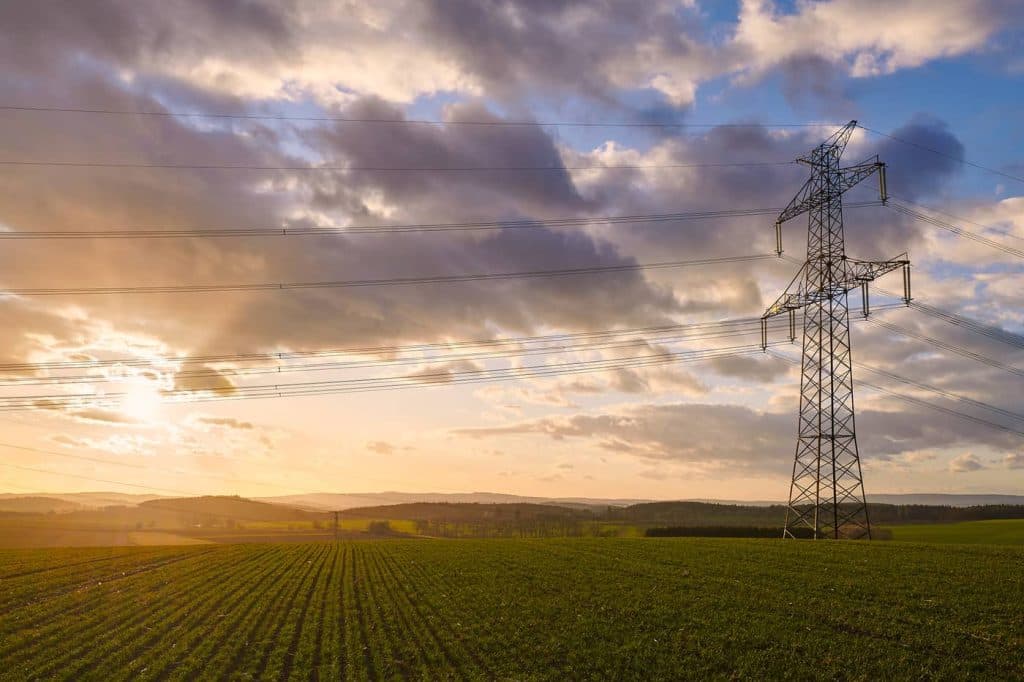
An initiative focused on independently monitoring progress towards climate neutrality in the EU has published its first report assessing progress to date. The European Climate Neutrality Observatory (ECNO) concludes that while the EU is heading in the right direction towards climate neutrality, it is moving too slowly. The report was covered by Euractiv.
Progress towards climate neutrality is assessed, among other things, across 13 areas considered key to decarbonising the EU. These include the power sector, a just transition, clean technologies, industry, mobility, buildings and finance.
The report is based on data from 2015 to 2021. This means that some legislation related to the European Green Deal was not taken into account, as it is still under discussion or only recently entered into force, meaning its effects are not yet apparent.
The main conclusion of the European Climate Neutrality Observatory (ECNO) report is that the EU is heading in the right direction towards climate neutrality, but progress to date is too slow for climate neutrality to be achieved by 2050. ECNO gave the highest ratings to the power sector and governance.
In the other areas, the EU is currently heading in the right direction, but progress is insufficient. Funding is inadequate, which could also pose a problem for other identified building blocks in the long term.
ECNO is a newly established initiative that aims to independently assess progress towards climate neutrality in the EU.
Progress towards climate neutrality must be monitored regularly
ECNO's report highlights shortcomings in the data. It says a more robust monitoring system needs to be established so that progress can be tracked more effectively. These data would also make it possible to update existing EU legislation effectively. Inadequate information creates obstacles and leads to stagnation.
“Our findings serve as a warning that the EU needs to move faster and rapidly improve its data collection and progress-monitoring processes, so that we are not acting blindly as we tackle the complex challenge of transitioning to a climate-neutral society,” says Eike Karolová, one of the report's lead authors.
According to Karolová, long-term planning, effective monitoring and targeted policies are key to a successful transition to climate neutrality. The EU must consider how different areas of the economy and society fit together. Karolová says obstacles to the fundamental structural changes needed to achieve climate neutrality must be removed.
Translation disclaimer
This article is a machine translation of the Czech original and has not yet been fully reviewed. In case of any doubt, please refer to the Czech version.




