Maximum pressure: EU intends to tighten sanctions on Russia despite rising oil and gas prices

The European Union has no intention of backing away from its sanctions policy toward Russia, even as European markets face another sharp rise in energy commodity prices this year. EU sanctions envoy David O'Sullivan recently confirmed, according to S&P Global, that the Union plans to continue increasing pressure on Russia's military-industrial complex, financial institutions and shadow fleet. This uncompromising stance comes as geopolitical escalation in the Middle East has driven oil prices above $100 a barrel and natural gas prices to their highest level since late 2022, when they exceeded EUR 80/MWh.
While the United States eased sanctions pressure on Russia's oil sector temporarily in the spring, the European Union has already approved its 21st sanctions package, targeting refineries, traders and vessels violating price caps. EU legislation is aimed at completely phasing out Russian energy commodities: a ban on new short-term LNG contracts has been in force since this April, a ban on long-term contracts will take effect in January 2027, and all imports of Russian gas by pipeline and in liquefied form are due to end by the end of next year.
Growing concerns about energy prices next winter are driven not only by the conflict in the Middle East, but also by the slower filling of European gas storage facilities compared with previous years. The European Commission is nevertheless seeking to reassure markets, pointing to sufficient LNG import capacity and the fact that total EU gas demand has fallen by 17 % since the start of the crisis triggered by the war in Ukraine.
According to O'Sullivan, sanctions have already cost Russia more than 500 billion euros in direct impacts. The country is nevertheless seeking to limit the impact of Europe's shift away from its energy commodities as much as possible through discounts, Asian markets and alternative logistics chains.
Dependence on Russia has fallen, but the problem has not disappeared
In just a few years, the European Union has achieved what was still considered difficult to imagine in 2021. Following Russia's invasion of Ukraine, it significantly reduced its dependence on imports of Russian oil and natural gas and managed to diversify its energy supplies. This was precisely the purpose of the REPowerEU plan, which the European Commission presented in May 2022 in response to the energy crisis.
However, according to a new audit by the European Court of Auditors, success in energy security does not automatically mean success in the overall energy transition. The auditors warn that investment mobilised through REPowerEU and its instruments is falling short of what will be needed to meet Europe's climate and energy targets by 2030.
Redirecting exports to China and expanding the shadow fleet
European measures have put Russia in a position where it must massively reconfigure its export routes. In the first half of this year, the EU still imported nearly 10 million tonnes of liquefied gas from Russia's Yamal LNG terminal, up a fifth year on year, while large-scale increases in supplies to Asia are taking place in parallel. China is becoming a key partner for Russia, increasing its imports of Russian LNG by 25 % to 4.23 million tonnes in the first seven months, despite an overall decline in its own LNG imports.
The main driver of this growth is the sanctioned Arctic LNG 2 project, which offers Chinese buyers massive discounts of 30 to 40 % compared with typical prices on the Asian market. China is actively opening new receiving terminals for this gas, such as Longkou in Shandong province, with a planned capacity of 5 million tonnes a year, complementing the existing entry point at Beihai.
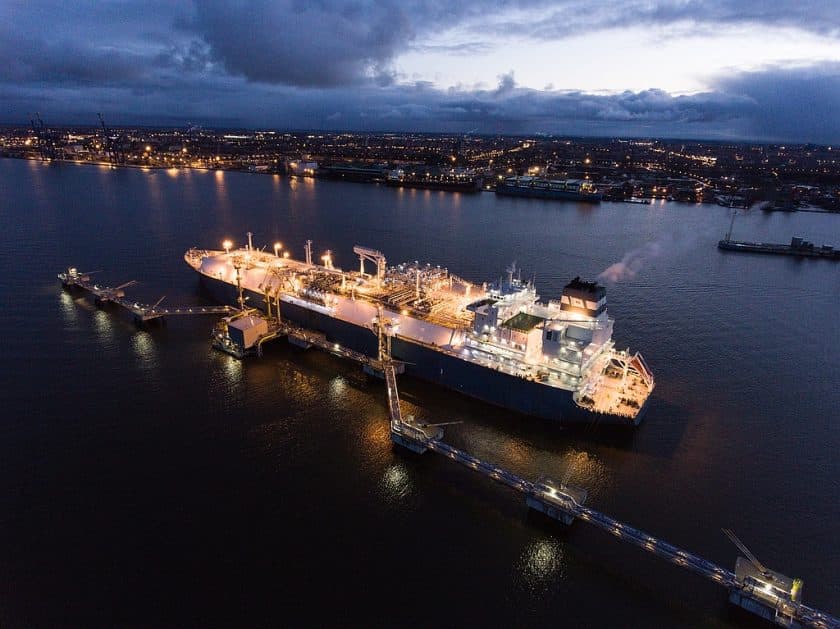
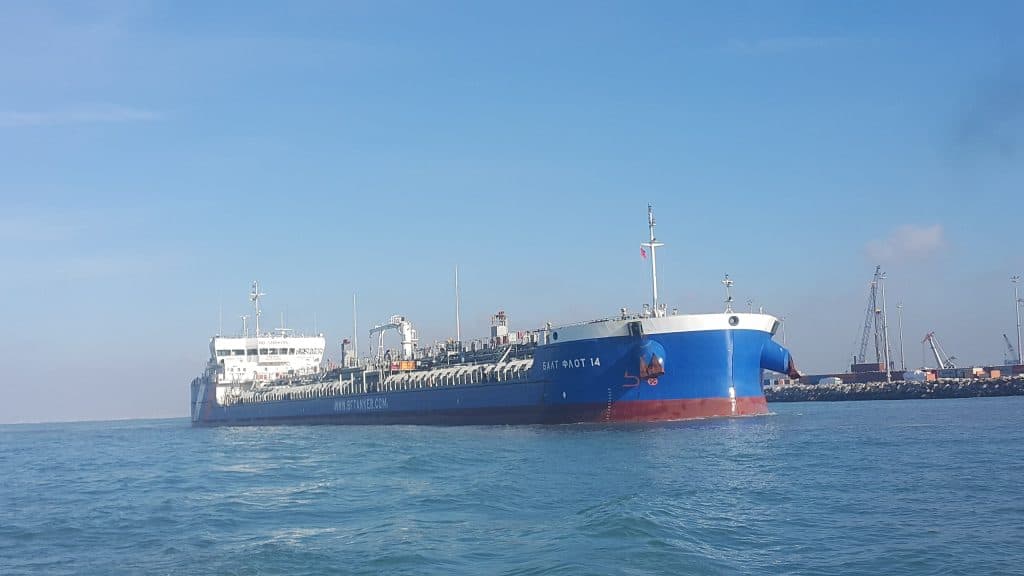
To circumvent Western sanctions and ensure that it can continue exporting its energy commodities in the future, Russia is rapidly building up its shadow fleet of LNG tankers. The fleet has grown by eight vessels over the past six months and now numbers 25 ships, which use practices familiar from the oil trade, such as switching off location signals or transferring cargo between vessels at sea.
Translation disclaimer
This article is a machine translation of the Czech original and has not yet been fully reviewed. In case of any doubt, please refer to the Czech version.