
23 October 2026, 14:38
Loading...
Collapse of German government may slow coal phase-out
Veronika Jurcová
3 December 2024, 06:28
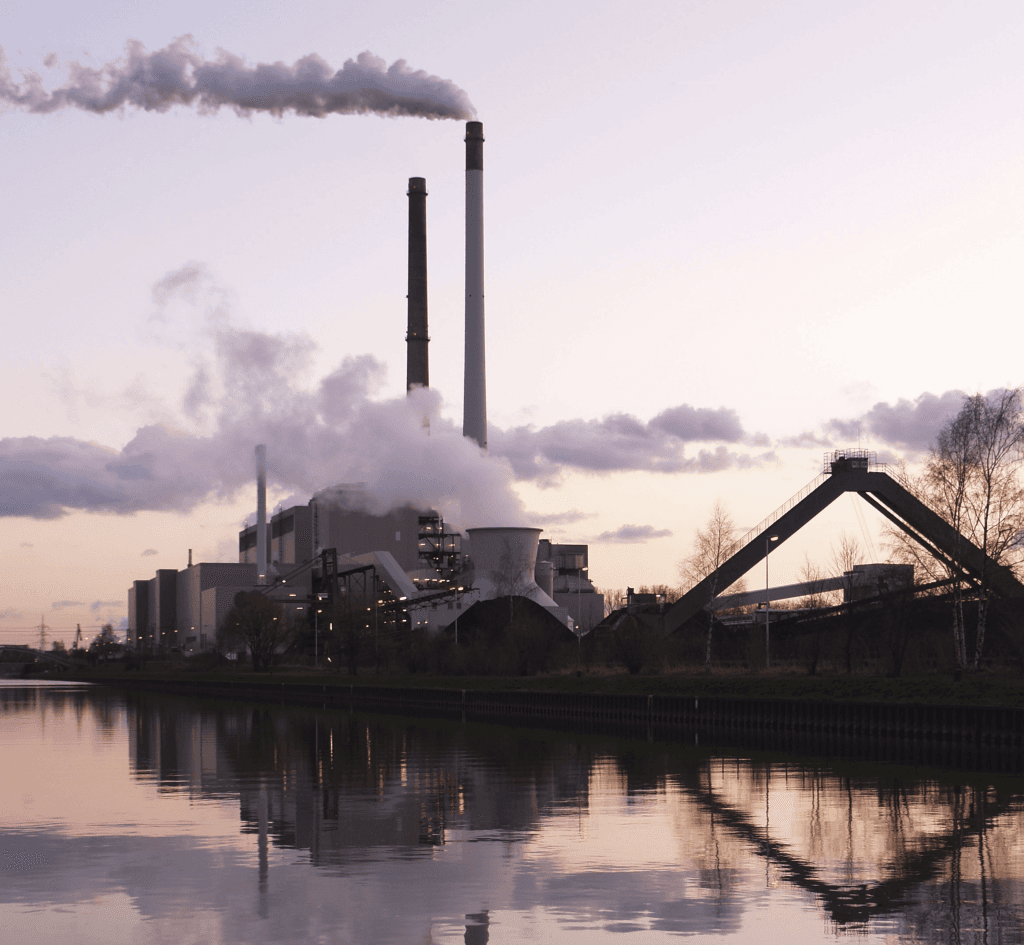
Germany may have to reconsider its ambitious plans, set by the coalition government, to accelerate the phase-out of coal-fired power plants. Energy analysts at Montel describe the proposed timetable as unrealistic, primarily because of the slow development of new generating capacity. The political uncertainty following the government’s collapse further complicates the situation.
Germany aims to gradually phase out the use of coal for power generation by 2038 at the latest, while Olaf Scholz’s government had planned to bring this date forward to 2030. Optimism was driven in particular by the rapid closure of coal-fired power plants, mainly for economic reasons.
Data from the regulator Bundesnetzagentur also show that the phase-out of coal-fired power plants is proceeding faster than originally planned. By September this year, so many coal-fired plants had already been shut down that installed coal capacity had fallen below the target level set by law for 2027. Economic factors are the main drivers of this development.
“By the end of this decade, coal-fired power plants will probably be taken offline for economic reasons,” said Christoph Maurer, managing director of energy consultancy Consentec.
One example of this trend is Steag’s decision to move the 460 MW Herne 4 coal-fired power plant into the so-called grid reserve because operating it had become unprofitable.
Power plants in the grid reserve serve as backup sources outside the regular market, providing generation capacity for measures taken by transmission system operators (TSOs) to ensure the secure operation of the transmission system.
Building new capacity
“New dispatchable generating capacity is a prerequisite for the complete phase-out of coal,” Maurer added.
Germany currently operates around 11 GW of hard-coal-fired power plants and 15 GW of lignite-fired plants. The government has proposed legislation to support the construction of 12.5 GW of new power plants, including 10 GW of new gas-fired power plants, 0.5 GW of hydrogen-fired plants, and the modernisation of 2 GW of existing gas-fired capacity to use hydrogen.
Investors are expected to bid for state support in an auction, with the first auction due to be launched in early 2025. However, the auction terms do not provide investors with the certainty they need, and Germany could therefore face significant investment risks when seeking investors.
“If coal capacity continues to decline and no new hydrogen-ready gas-fired power plants are built, we will see a capacity shortfall of 9.8 GW by the end of the decade. It can be assumed that unless these tenders [for new gas-fired power plants] get under way very quickly, Germany will not gradually phase out a significant amount of coal-fired capacity by 2030,” said ICIS analyst Ellie Chambers.
The opposition CDU/CSU is also advocating an alternative approach, which includes faster construction of conventional gas-fired power plants equipped with carbon capture and storage (CCS) technology. The elections, scheduled for 23 February, and the new government could therefore bring changes to the direction of energy policy.
Rapid construction of alternative sources of generation, particularly hydrogen-ready gas-fired power plants, therefore remains crucial. Without swift progress, Germany risks a shortage of dispatchable capacity and a departure from its planned coal phase-out timetable.
Translation disclaimer
This article is a machine translation of the Czech original and has not yet been fully reviewed. In case of any doubt, please refer to the Czech version.
Sdílejte článek prostřednictvím:
You might also like


23 October 2026, 11:01


23 October 2026, 06:34