German chancellor: Nuclear phase-out was a major strategic mistake

German Chancellor Friedrich Merz, in a speech to the German Chamber of Commerce and Industry in Dessau, described the nuclear phase-out as a “major strategic mistake”. Video footage was published by the Clash Report platform on its X account. Returning nuclear power plants to operation, alongside high electricity prices, is an issue for the current government.
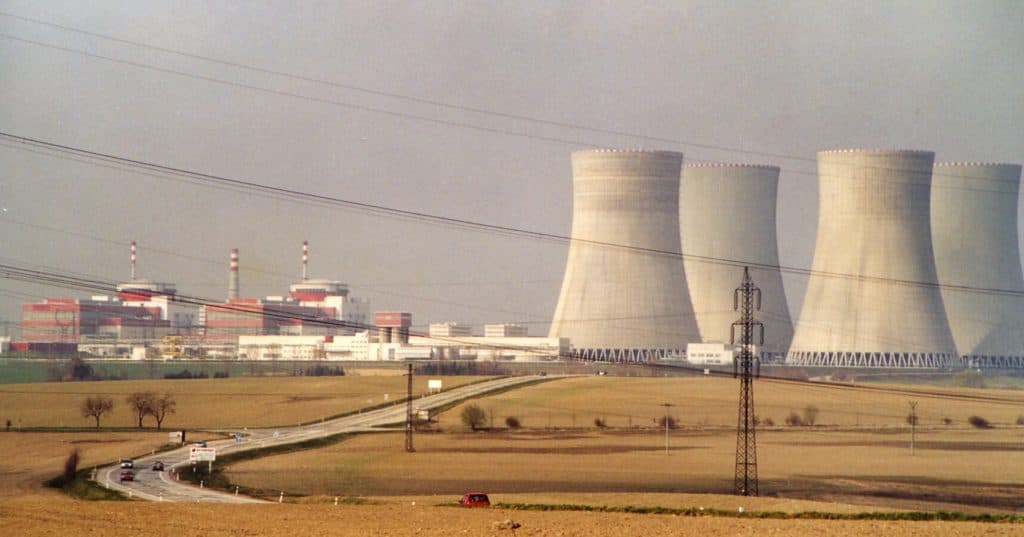
More than 60 years after the launch of its first nuclear reactor, Germany disconnected its last operating nuclear power plants in April 2023. At that time, the country’s three nuclear power plants accounted for just 5 % of electricity generation. This milestone brought to an end a phase-out lasting more than two decades, launched by the federal government led by then-Chancellor Angela Merkel.
The results of a YouGov public opinion poll published on the Clean Energy Wire website in spring 2023 showed that around two-thirds of Germans opposed the approaching shutdown. Some of the public would have welcomed continued operation of nuclear facilities: 32 % of respondents supported extending operations for a limited period, while a further 33 % favoured continuing them indefinitely. By contrast, only 26 % of those surveyed clearly approved of a complete end to the use of nuclear energy.
New government reverses course
The arrival of the new German federal government led by Friedrich Merz in May last year signalled a pragmatic shift. Political representatives, particularly French ones, hoped that reassessing the previous approach of blocking nuclear power could enable cooperation within the European Union.
“The nuclear phase-out was a major strategic mistake. If it was to happen at all, the remaining nuclear power plants in Germany should at least have been kept in operation three years ago... We are now carrying out the world’s most expensive energy transition. I do not know of any other country that makes things as complicated and costly for itself as Germany does. We inherited something that we now have to correct, but we simply do not have sufficient energy generation capacity,” Merz said in January this year.
The German government has long been addressing high electricity prices, which burden domestic industry and put it at a disadvantage against foreign competition. As part of negotiations with the European Commission, it is preparing a reduced industrial electricity price programme.
Is nuclear power back on the table in Germany?
Germany’s current Minister for Economic Affairs and Energy, Katherina Reiche, ruled out the possibility of returning the plants to operation. Among her reasons were the high cost of such a solution and the absence of a social consensus. By contrast, Radiant Energy Group, in its analysis last year, reported on both the technical feasibility and economic benefits of restarting the shut-down nuclear power plants.
A public opinion poll by Innofact on the Deutsche Welle website from April 2025, meanwhile, shows that around 55 % of Germans support a return to nuclear power. A total of 22 % of respondents call for restarting only the most recently shut-down reactors. A further 32 % also support building new reactors. Only 17 % of those surveyed are opposed, while the rest remain undecided. The poll also found that 57 % of respondents support continued investment in various forms of renewable energy.
Translation disclaimer
This article is a machine translation of the Czech original and has not yet been fully reviewed. In case of any doubt, please refer to the Czech version.