The Netherlands begins building hydrogen pipeline, first section due online in 2025

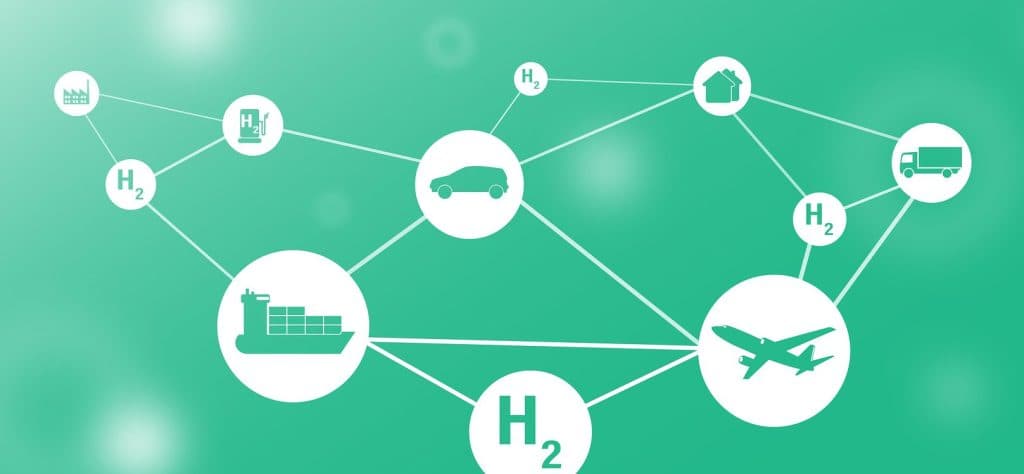
The Netherlands officially began construction at the end of October on a planned 1,200 km hydrogen pipeline. The first 30-kilometre section will be built in Rotterdam and is due to enter service in 2025. The wider network is set to connect major industrial clusters in the Netherlands and, from 2030, hubs in Germany and Belgium, according to S&P Global.
"One of the prerequisites for developing the hydrogen market is infrastructure for transport and storage," Gasunie, which is developing the network, said in a statement in early October. "As the first European country to have hydrogen infrastructure, the Netherlands can become an important hub for renewable energy."
The network will also be connected to import terminals at seaports, local hydrogen production sites and large-scale storage facilities. Much of the network will use existing gas pipelines, alongside some newly built pipelines designed specifically for hydrogen. Existing gas pipelines have become available mainly due to a decline in natural gas transport, and the existing network will account for approximately 85% of the hydrogen network.
The project is being carried out by Gasunie subsidiary HyNetwork Services. Construction began following Gasunie's final investment decision in June on the first phase, worth more than EUR 100 million. The nationwide network is expected to cost approximately EUR 1.5 billion.
Europe set to be connected by hydrogen
The plans build on the proposed European network, the European Hydrogen Backbone initiative, which aims to build a network of 28,000 km of dedicated hydrogen pipelines by 2030 and expand it to 53,000 km across 28 European countries by 2040. The initiative is backed by a group of 31 energy infrastructure operators.
Gas network operators OGE and Nowega also began work on 16 October to convert a long-distance gas pipeline in Germany from natural gas to hydrogen. As part of the conversion, sections of the pipeline will be disconnected from the gas network, after which upgrades will be made to enable hydrogen transport.
The pipeline is expected to be ready to carry hydrogen from 2025. It should later be connected to Dutch infrastructure. Another Nowega pipeline, running from Lingen to Bad Bentheim, will also be converted to hydrogen from November 2023.
Spain as a major hydrogen producer
Europe is not short of hydrogen initiatives, including the H2Med green hydrogen project, which will connect Portugal and Spain with Germany via France. Germany's OGE signed a memorandum of understanding in October with other transmission system operators involved in the project. A key part of the project's infrastructure is a new EUR 2.5 billion undersea pipeline from Barcelona to Marseille, also known as BarMar, which aims to export 2 million tonnes of green hydrogen annually from the Iberian Peninsula to France and then to Germany. Thanks to its abundant solar and wind resources, Spain will become one of Europe's largest producers of green hydrogen.
The costs of producing hydrogen through grid-connected electrolysis in Europe are among the highest in the world, averaging USD 6.02/kg in September (in the Netherlands). By comparison, the figure is less than USD 2/kg in Victoria, Australia, one of the cheapest production centres.
Translation disclaimer
This article is a machine translation of the Czech original and has not yet been fully reviewed. In case of any doubt, please refer to the Czech version.




