Drill, baby, drill! A year of Trump's energy policy
It has been a year since Donald Trump took office as US president with his mantra, “drill, baby, drill.” What state is the US energy sector in a year into his presidency, and how do the main players in the fossil fuel industry view it?
Unlike renewables, which the administration is making life difficult for, the fossil fuel sector is in a largely opposite position. One of Trump’s first actions a year ago was to declare a national energy emergency, allowing him to relax some environmental rules and expand permitting processes on federal land and in Alaska.
Trump also reversed Biden’s pause on permits for new LNG terminals. All these policies were intended to cement US energy “dominance,” as the president himself puts it. So what results of this strategy can we see a year after Trump took office? Let’s take a brief look.
Expansion and lower prices
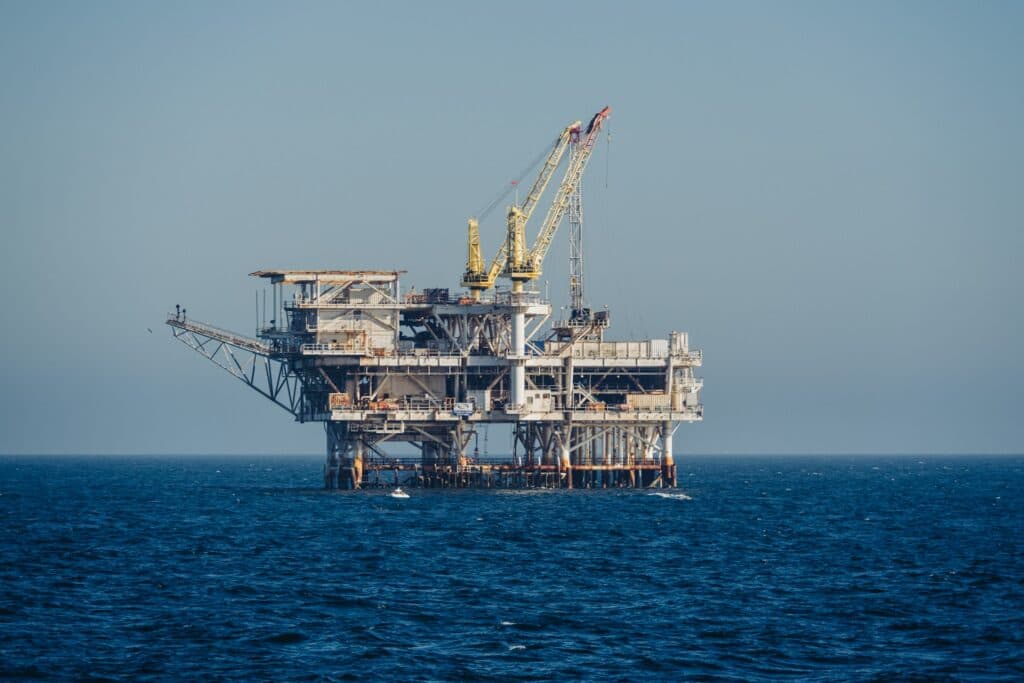
Production remained high this year, while commodity prices fell, as the administration itself points out in its updates. The total number of active oil drilling rigs fell to 412 (70 fewer than at the start of last year), while the number of gas rigs stood at 125 (22 more than at the start of last year). The increase in oil production was driven mainly by higher productivity and the new connection of platforms to fields. A similar trend is expected next year.
Oil prices fell in 2025 as demand declined that year, despite 2025 being a highly turbulent year geopolitically. Even with events such as the ongoing war in Ukraine (where energy infrastructure is a key target for both sides) and the conflict between Israel and Iran, fossil fuel prices remained relatively low.
Excess capacity and companies’ views
As early as October last year, for example, some energy giants were talking about possible oversupply in the liquefied natural gas (LNG) market. The situation is similar for oil. The administration also tried to frame its recent US “action” in Venezuela as an effort to secure oil, as many pointed out. Later, some companies also admitted that, given current oil prices, investing in Venezuela made little sense.
It is precisely the fear of oversupply in the market and prices continuing to fall that is making companies in the industry cautious about opening entirely new wells. The countries in the OPEC+ cartel also decided last year to stop increasing production.
Politics
The Trump administration uses energy as a kind of bargaining chip. It is seeking in particular to use LNG exports to “balance” the United States’ trade with some other players. The EU, for example, agreed to buy an essentially unrealistic volume of LNG.
Fossil fuel giants must therefore have many questions about the implications of the current administration and its much more active approach to energy policy. What will happen if Trump wants to draw companies into Russia (as he is now doing in Venezuela) as part of a possible peace deal in Ukraine? Following the acquisition of stakes in Intel and other companies, it is also becoming clear that Trump is not afraid to take a direct stake in companies if he considers them important.
The sector welcomed Trump’s arrival after Joe Biden’s administration, which it viewed as hostile. But it remains to be seen whether his highly “active approach” will do the sector more harm than good. Could it lead to stronger pressure on the sector from a possible future Democratic administration with an “environmental” agenda, which could very easily reverse Trump’s changes (especially those implemented through executive orders) and once again put pressure on energy giants? And, as always, there is the question of what oil demand will look like in the coming years.
Translation disclaimer
This article is a machine translation of the Czech original and has not yet been fully reviewed. In case of any doubt, please refer to the Czech version.




