Plans to build a gas pipeline from Israel to Europe could run into trouble in Cyprus, which is instead considering LNG exports

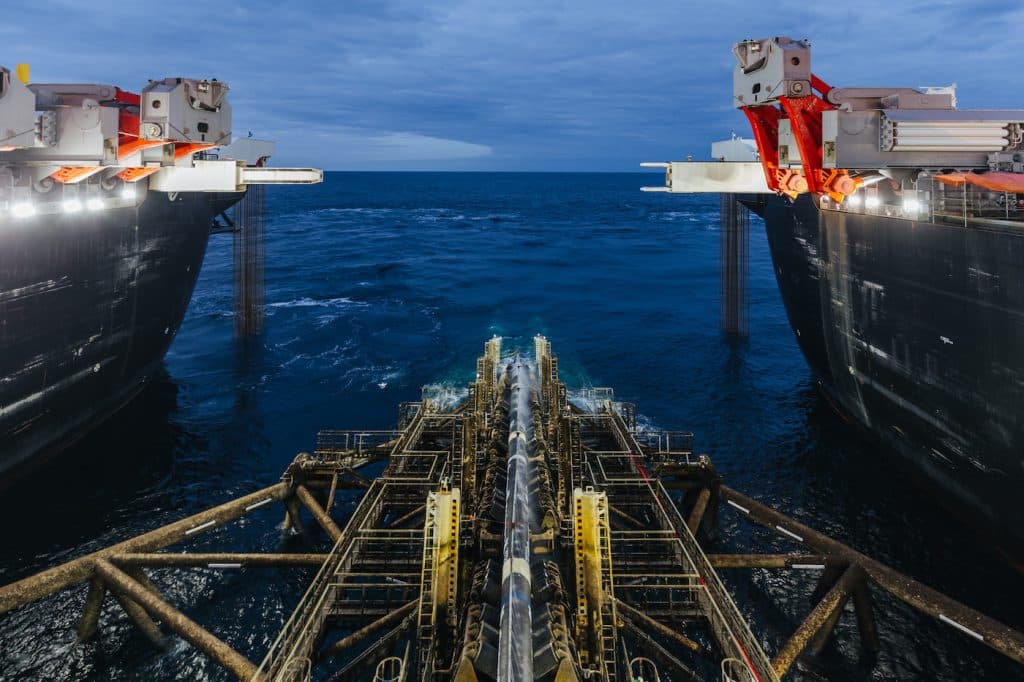
Diversifying energy sources, particularly natural gas, became one of the priorities of the European Union and individual European countries last year. In addition to increasing capacity for imports of liquefied natural gas, discussions resumed more intensively about the possible construction of the EastMed pipeline corridor, which could bring gas to Europe from extensive deposits in Israeli waters. In addition to the high costs, however, the plan could also run up against Cyprus’s plans, as the country’s energy minister has presented an alternative option: exporting liquefied natural gas (LNG) instead of building a pipeline to Greece.
Cypriot Energy Minister George Papanastasiou, who took office this February, said at the beginning of the week that the country is in talks with Israel about building a pipeline that would connect the two countries’ gas fields. The minister’s comments also suggested, however, that instead of subsequently connecting to continental Europe via Greece, the country could build an LNG export terminal and ship the gas to other markets, including Europe.
Israel plans to significantly increase natural gas production in the coming years, and a substantial share of the additional output could end up on the European market, which is still seeking alternative supplies to further diversify its gas sources.
“Our goal is to generate electricity cheaply… So natural gas should come from this region,” Papanastasiou told reporters after presenting the new energy infrastructure plans to opposition politicians.
The Cypriot minister added that building an LNG export terminal could take around two and a half years, while construction of a pipeline connecting to Israel’s gas fields would take around 18 months.
“There will be a corridor. Instead of a pipeline, it will be a link between Israel and Europe that could be routed through Cyprus. It could be a virtual pipeline connecting the rest of Europe via Cyprus in liquefied form,” Minister Papanastasiou said, according to Reuters, adding that the liquefied gas could then flow to any market, including Asia.
Before taking up the ministerial post, Papanastasiou held senior management positions in the oil and gas industry. He plans to hold a workshop with stakeholders on the issue at the end of the month.
The future of EastMed remains uncertain despite efforts to diversify gas supplies to Europe
Connecting Israel to Europe via Cyprus through the EastMed pipeline corridor has long been under discussion, and has once again attracted greater attention in light of the energy crisis and restrictions on natural gas supplies from Russia.
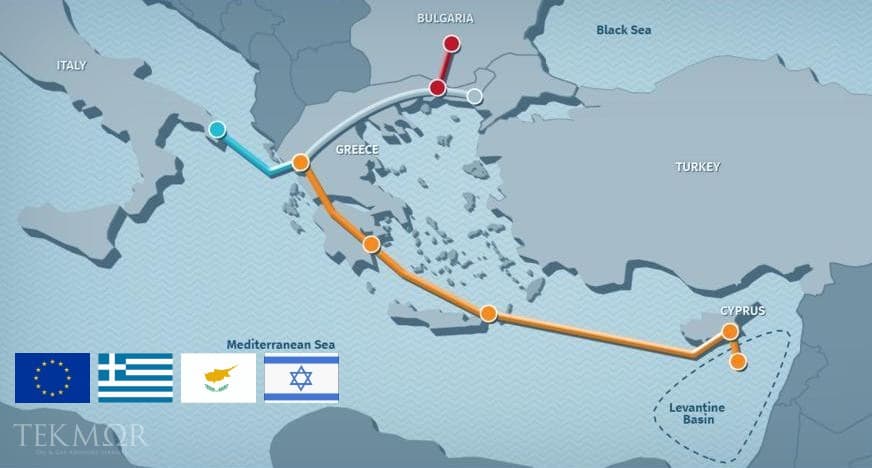
While the European Union previously included the project on its list of so-called Projects of Common Interest (PCI), by the end of 2020 the European Commission was proposing to exclude natural gas infrastructure from EU funding. According to the Commission’s statements at the time, one of the main reasons these projects had been supported in the first place was to ensure the security of gas supplies to Europe. That security had improved significantly in recent years thanks to the projects, and the Commission did not consider further support necessary at the time.
Further questions about the project’s future were raised when the United States withdrew its support at the beginning of last year, with the US government saying the project would be too expensive and take too long to complete.
Translation disclaimer
This article is a machine translation of the Czech original and has not yet been fully reviewed. In case of any doubt, please refer to the Czech version.




