
23 October 2026, 14:38
Loading...
Czech nuclear power plant performance remained high in 2023

Jiří Puchnar
22 August 2024, 16:34
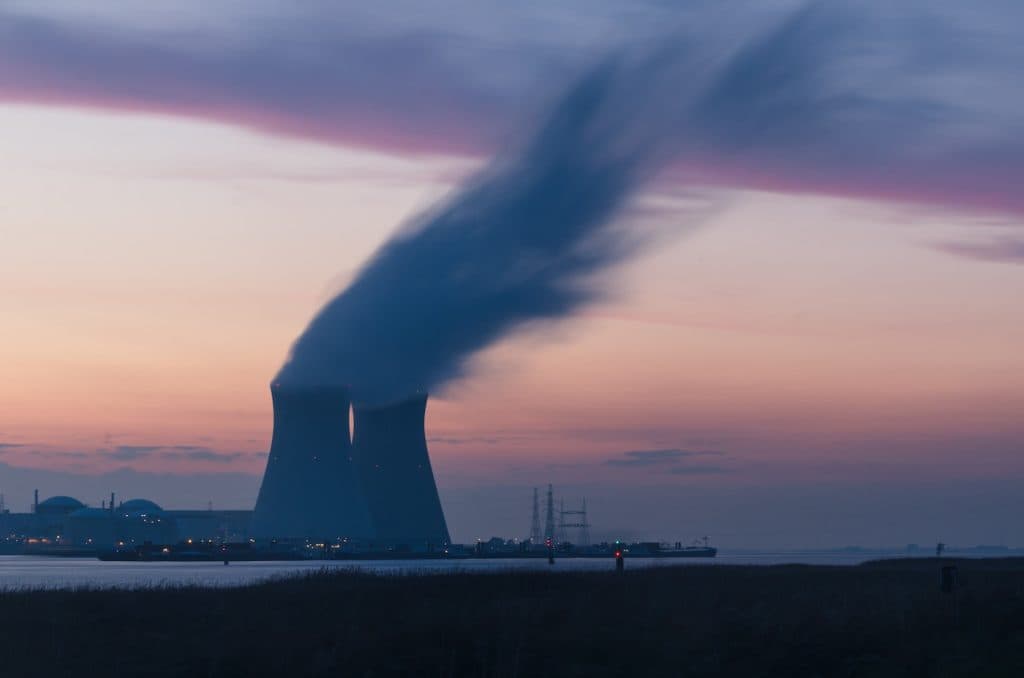
Global electricity generation from nuclear power increased in 2023, despite a 1 GWe decline in the total installed capacity of nuclear power plants to 392 GWe. According to a new World Nuclear Association report, the average capacity factor of these plants increased.
The ninth annual World Nuclear Performance Report says nuclear power plants supplied more than 2600 TWh to the electricity grid in 2023, representing an increase of 58 TWh compared with 2022. Nuclear power accounted for 9% of global electricity generation. The increase was partly driven by the restart of French reactors after extended outages, which added 42 TWh to output.
Capacity factor increases
The average capacity factor of nuclear reactors rose by 1% to 81.5% in 2023. The report highlights that this indicator underlines the stability of nuclear power and the reliability of its supply to the grid. Nuclear reactors have achieved capacity factors of more than 80% for over 20 years, and their output remains high regardless of age.

Statistics on global electricity generation from nuclear power plants. Source: IAEA PRIS
Nuclear power generation helped avoid the production of 2.1 billion tonnes of carbon dioxide in 2023 that would have resulted from equivalent electricity generation using coal. This is more than the annual emissions of almost any country in the world; only China, India and the US have higher national CO2 emissions.
Nuclear power at the end of 2023
At the end of 2023, 437 reactors were in operation, the same number as at the end of 2022. Five reactor units were shut down during the year (Tihange 2 in Belgium, Kuosheng 2 in Taiwan, and Emsland, Isar 2 and Neckarwestheim 2 in Germany), while five new units were connected to the grid (Fangchenggang 3 in China, Mochovce 3 in Slovakia, Vogtle 3 in the US, Ostrovets 2 in Belarus and Shin-Hanul 2 in South Korea).
Construction began on six new reactors in 2023: five in China (Sanmen 4, Haiyang 4, Lufeng 6, Lianjiang 1 and Xudabao 1) and one in Egypt (El Dabaa 3). Of the 64 reactors currently under construction, more than two-thirds are in Asia, with China alone building 30. Eastern Europe and Russia rank second in the number of reactors under construction.
Challenges and opportunities for the nuclear industry
At the COP28 climate change conference, held in Dubai in December 2023, nuclear power received significant recognition for its contribution to achieving Net Zero goals. Representatives of 25 governments signed a ministerial declaration committing to a threefold increase in global installed nuclear capacity by 2050.
World Nuclear Association Director General Sama Bilbao y León said that the data and case studies in the World Nuclear Performance Report 2023 illustrate efforts to improve operational performance and make the most of existing nuclear power plants. However, construction of new reactor units faces challenges related to financing, supply chains and regulation, particularly in the Western world.
Significance of the report and future developments
Mohamed Al Hammadi, CEO of Emirates Nuclear Energy Corporation and Chair of the World Nuclear Association, said: “With nuclear power generation and capacity factors both increasing in 2023, it is clear that nuclear energy is a proven, reliable and significant source of clean electricity for 36 countries around the world. With a further 64 reactors under construction, we expect this growth to continue as efforts are made to triple global installed nuclear capacity by 2050—not only to meet Net Zero goals and strengthen national energy security, but also to satisfy the huge demand from energy-intensive sectors such as artificial intelligence, data centres and electric mobility.”
Translation disclaimer
This article is a machine translation of the Czech original and has not yet been fully reviewed. In case of any doubt, please refer to the Czech version.
Sdílejte článek prostřednictvím:
You might also like


23 October 2026, 11:01


23 October 2026, 06:34