11 October 2026, 08:24
Loading...
Nuclear energy renaissance: Italy takes steps to revive nuclear power

Marek Kršák
10 June 2026, 07:06
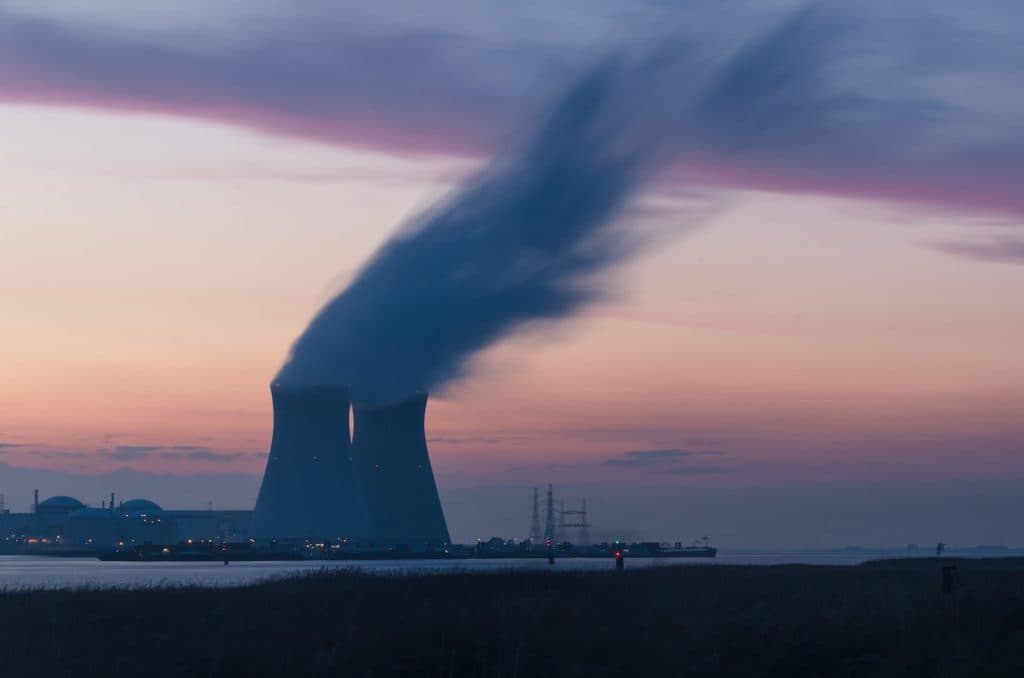
As early as October last year, the Italian government agreed on the final wording of a bill aimed at reviving and developing nuclear energy in the country. The bill under discussion empowers the government to comprehensively regulate the deployment of “sustainable” nuclear energy within the framework of European decarbonisation policies for 2050 and energy security goals.
Italy previously operated a total of four nuclear power plants, but in 1986, shortly after the Chernobyl disaster, voters in a referendum decided to phase out nuclear power plants. The final chapter in electricity generation from nuclear power plants came to a close in 1990, with the definitive closure of the Caorso and Trino Vercellese plants.
Following the Fukushima Daiichi nuclear power plant disaster, the Italian government approved a moratorium on the construction of nuclear power plants in the country, set to last for at least one year. However, efforts to gradually return to a nuclear programme were already under way, even though opinion polls clearly indicated that Italians were more likely to oppose the construction of any new nuclear reactors.
After more than a decade, however, public attitudes shifted towards greater acceptance of nuclear energy. This led to a proposal by the Italian parliament in 2023, calling on the government to refocus on the possibility of including nuclear energy in the country’s energy mix. That same year, the first meeting of the National Platform for Sustainable Nuclear Energy was held, with the aim of setting a clear timetable for nuclear energy’s return to Italy.
Enabling bill on sustainable nuclear energy
The bill gives the government a mandate to draw up a national programme for sustainable nuclear energy, establish an independent nuclear safety authority, strengthen scientific and industrial research, develop new skills, and carry out information and awareness campaigns.
The bill is now heading to the upper house, the Senate, where the government expects the legislation to receive final approval before the summer recess at the end of July. Implementing legislative decrees must be adopted within one year of the law’s entry into force.
Europe returns to nuclear
Italy is far from the only European country to reconsider its position on nuclear power over time. For example, Belgium announced a year ago that it was preparing a transition plan to reverse its previously established commitment to move away from nuclear energy. The government there is planning to repeal 2003 legislation that mandated the gradual phase-out of nuclear power.
Meanwhile, the Dutch Ministry of Economic Affairs and Climate Policy announced that it had signed a memorandum of understanding with Belgian representatives on cooperation in nuclear power generation.
Spain, meanwhile, is discussing extending the operating lives of its nuclear power plants. The shift towards nuclear power is so pronounced that even countries such as Germany have pledged not to oppose France’s use of nuclear energy at the European legislative level. Everything suggests that better times are ahead for Europe’s nuclear industry.
Translation disclaimer
This article is a machine translation of the Czech original and has not yet been fully reviewed. In case of any doubt, please refer to the Czech version.
Sdílejte článek prostřednictvím:
You might also like

10 October 2026, 13:19

10 October 2026, 07:37

10 October 2026, 07:02