29 September 2026, 14:59
Loading...
Germany presents plan to transition away from fossil fuels, reaffirms 2045 climate neutrality target

David Vobořil
29 September 2026, 14:44
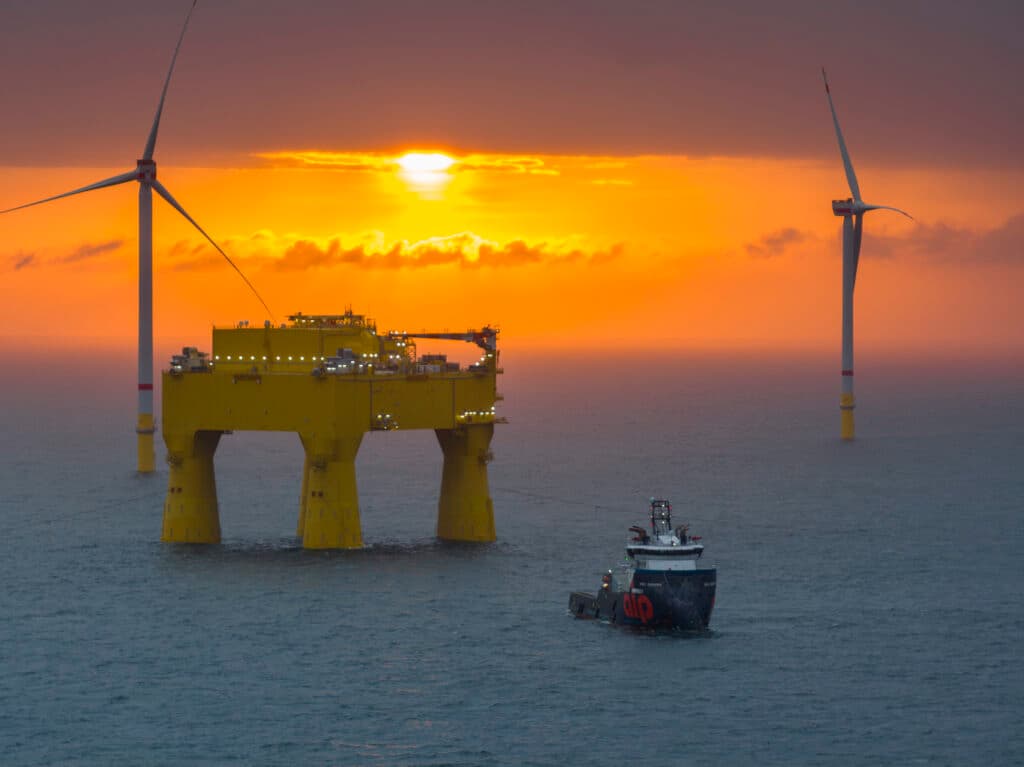
The German government has approved a plan to steer the country away from oil, coal and gas by 2045 at the latest. The document reaffirms the climate neutrality target, but environmental organisations say it brings no new ambition and that its message abroad conflicts with some government actions.
Germany has become only the third country, after France and the Netherlands, to publish its own national roadmap for phasing out fossil fuels. The German government presented the document to the cabinet, and Environment Minister Carsten Schneider subsequently presented it at the UN General Assembly in New York.
The plan builds on an international initiative to phase out coal, oil and gas, which attracted significant attention at the COP28 climate conference in Dubai.
A plan for energy, industry, buildings and transport
The roadmap is intended to align action across four key sectors and link emissions cuts with a gradual reduction in fossil fuel use. The government says Germany has cut emissions by around 48% since 1990, while economic output has increased by a similar proportion over the same period.
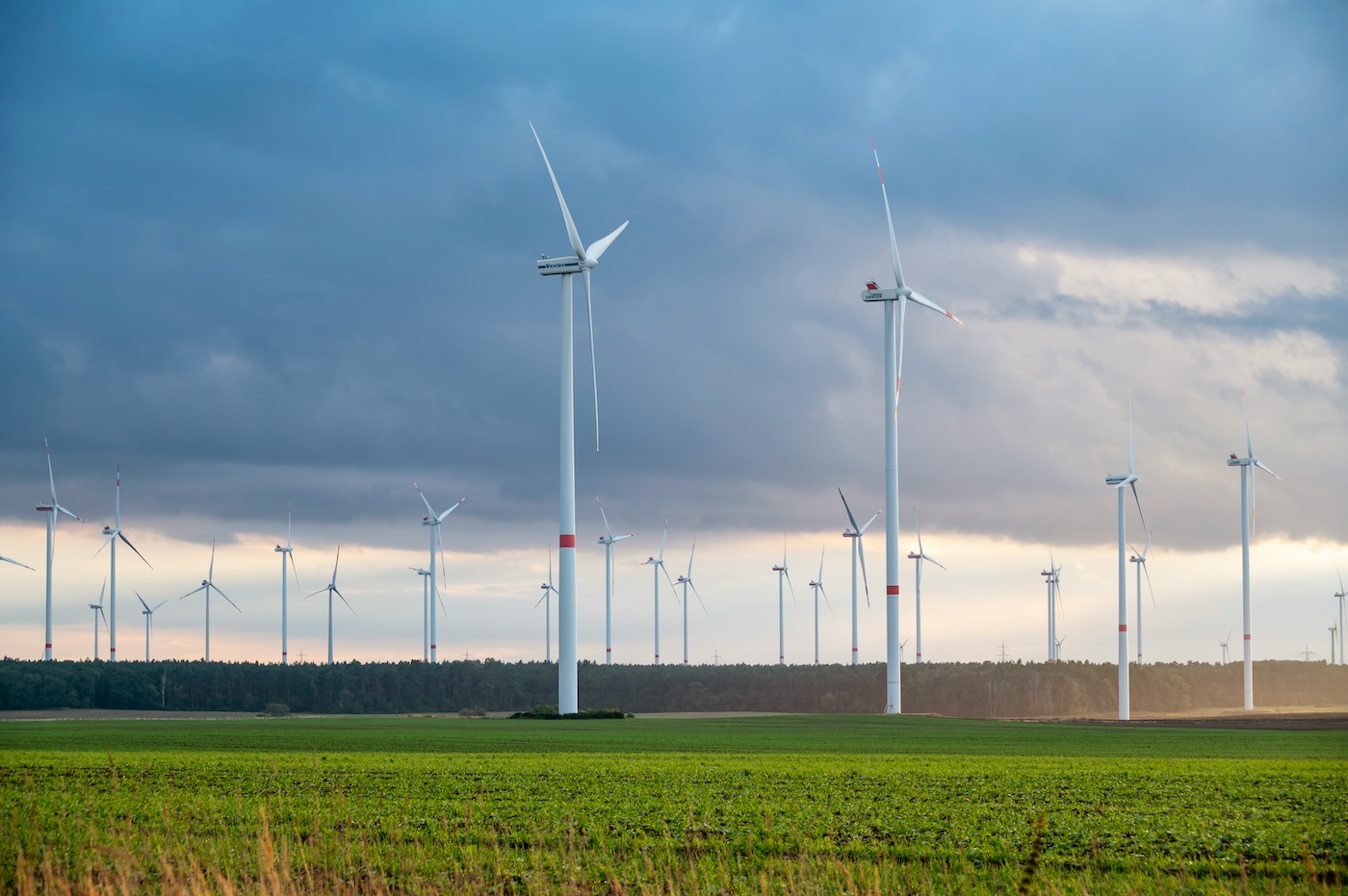
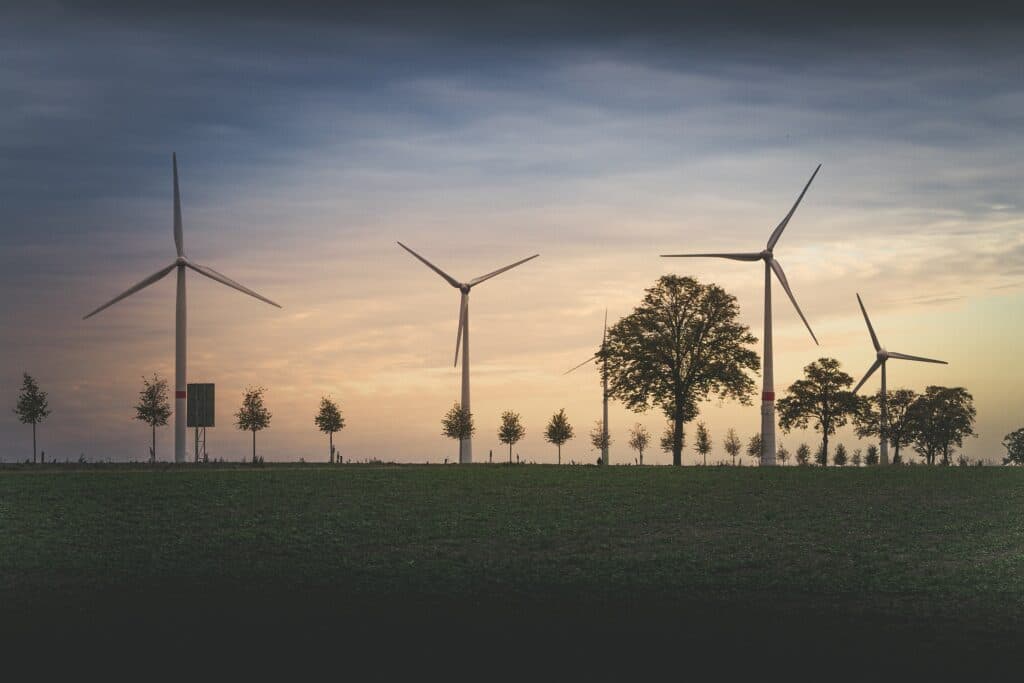
Wind farm. Source: Unsplash
In the energy sector, Germany's strategy envisages continued growth in the share of renewable energy and the electrification of consumption. Renewables covered approximately 56% of Germany's electricity consumption in 2025, and the government wants to increase their share to at least 80% by 2030. The transition is also expected to involve expanding transmission and distribution grids and phasing out coal by 2038 at the latest, although the government is considering bringing the deadline forward to 2035.
Electrification is expected to reduce fuel consumption
The government is banking on faster electrification of transport and heating. Approximately 300 thousand heat pumps were sold in Germany in 2025, accounting for 48% of newly installed heating systems. Under the roadmap, new gas and oil boilers installed after 29 July 2026 will, from 2029, be gradually required to use an increasing share of climate-neutral fuels, reaching at least 60% in 2040.
Electric and hybrid cars accounted for 32.4% of new passenger car registrations in August 2026. The government's 2026 climate programme contains 67 measures and, according to the document, is expected to save almost seven billion cubic metres of natural gas and around four billion litres of petrol by 2030.
New state-supported backup power plants are to be capable of burning hydrogen and become climate-neutral by 2045 at the latest. The roadmap does not, however, set a deadline for ending all fossil fuel use in 2045. The possibility of capturing and storing CO₂ at gas-fired power plants remains open, as does the availability of alternative fuels for sectors that are difficult to electrify.
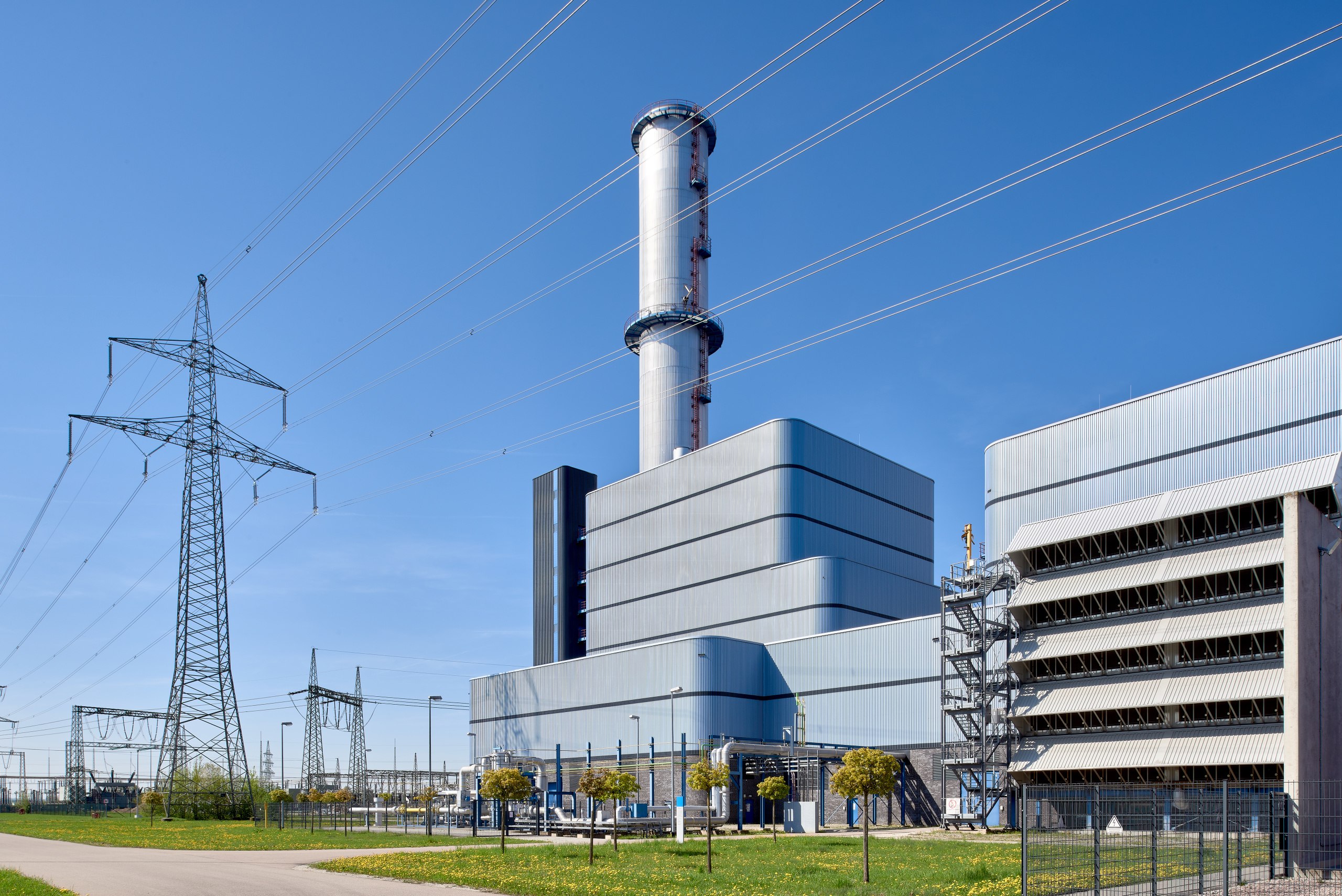
Irsching gas-fired power plant, Germany. Source: Uniper
Germany also remains heavily dependent on imports. They cover approximately 98% of oil consumption, 95% of fossil gas consumption and all hard coal consumption. Lignite is the only significant domestic source of fossil fuels. According to government data, net imports of fossil fuels cost Germany approximately 76 billion euros in 2024.
Environment Minister Carsten Schneider stressed that the strategy is about more than just protecting the climate: “The money we previously spent on importing oil and gas will increasingly go towards creating local added value in the future,” he said.
Criticism of domestic policy
Environmental organisations welcome the document's international significance, but also argue that it merely repeats existing targets. Germanwatch, by contrast, described the plan as a signal that could encourage other countries to submit their own roadmaps.
The main criticism is that current government policy is hindering a gradual phase-out of fossil fuels by supporting new gas extraction and state support for new backup capacity—gas-fired power plants intended to ensure security of electricity supply.
Chancellor Friedrich Merz's government is also being criticised by environmental organisations for pushing through a reform that weakened rules for gradually phasing out fossil fuels in heating, and for advocating looser vehicle emissions limits within the EU.
The renewable energy sector and non-governmental organisations say the reform of support for renewables and access to the distribution grid, currently under discussion in parliament, would create investment uncertainty, jeopardise the expansion of wind and solar power, and slow climate action.
Translation disclaimer
This article is a machine translation of the Czech original and has not yet been fully reviewed. In case of any doubt, please refer to the Czech version.
Sdílejte článek prostřednictvím:
You might also like
29 September 2026, 11:08
29 September 2026, 06:19