23 October 2026, 14:38
Loading...
European energy giants scale back climate targets
Daniel Grecman
25 March 2025, 16:46
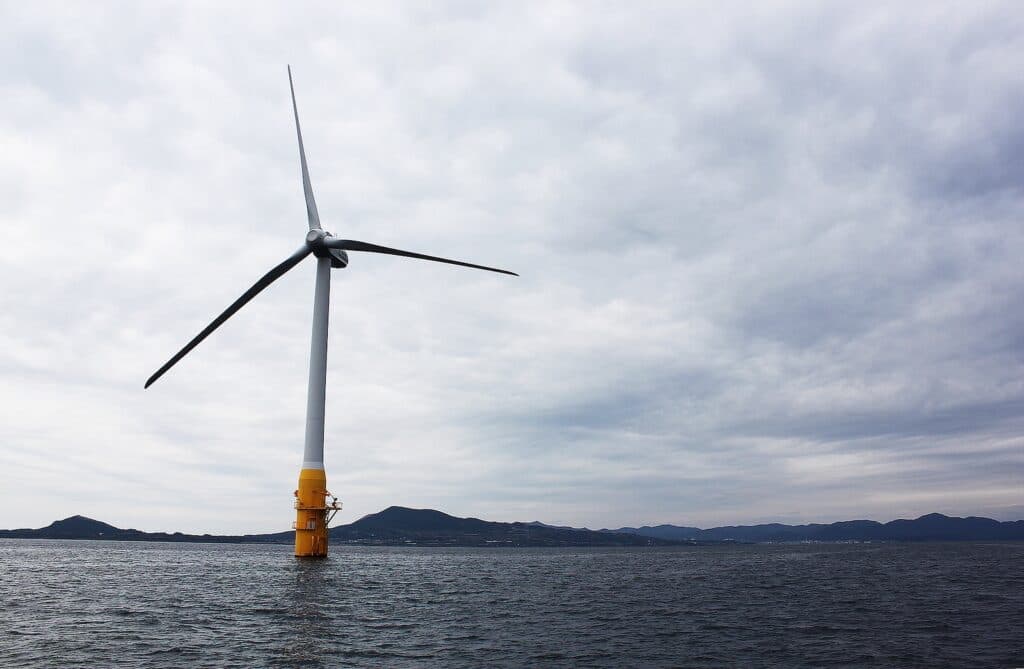
European energy giants such as Norway's Equinor, Germany's RWE and Anglo-Dutch Shell are scaling back their climate ambitions and targets. There are two main reasons for this: economic and regulatory factors.
We recently reported that Germany's RWE is lowering its investment outlook in the field of renewable energy sources due to uncertainty surrounding investments in the sector.
“Given the higher uncertainty in the investment environment, we have raised the requirements for future investments. As a result of stricter risk management and higher return expectations, we will invest less by 2030 than originally planned,” said CEO Markus Krebber.
And RWE is not alone. Equinor and Shell have also announced reductions to their green targets, particularly in the area of offshore wind farms.
The broader context must be considered here – European turbine manufacturers and their suppliers are also facing higher input costs, which they subsequently pass on into prices. However, this has so far not been reflected in auctions, which have often moved in the completely opposite direction. This has worsened the economics of offshore wind farms, with interest in investments under current conditions gradually declining further. Germany and Denmark are examples.
“For renewables, we are lowering our outlook to 10-12 GW by 2030,” Equinor said in its statement. Its 2021 target was set at 12-16 GW.
For investors, one solution may be to turn to Chinese suppliers for turbine deliveries, for example, as they are reportedly able to supply turbines at prices up to 50 % lower than their European counterparts.
The German Institute for Defence and Strategic Studies (GIDS) warns against this situation. Nevertheless, the price difference is significant and, without political intervention, the wind sector faces the same fate as the photovoltaics sector.
Equinor has also withdrawn from its plan to build a hydrogen pipeline from Norway to Germany. It cited a lack of customers, as the development of the hydrogen market in the EU is not progressing as planned, as well as an inadequate regulatory framework.
Translation disclaimer
This article is a machine translation of the Czech original and has not yet been fully reviewed. In case of any doubt, please refer to the Czech version.
Sdílejte článek prostřednictvím:
You might also like

23 October 2026, 11:01

23 October 2026, 06:34