3 August 2026, 11:16
Stable costs in unstable times: Price volatility is transforming Czech industry
oEnergetice.cz
3 August 2026, 11:16

This article is a machine translation of the Czech original and has not yet been fully reviewed. In case of any doubt, please refer to the Czech version.
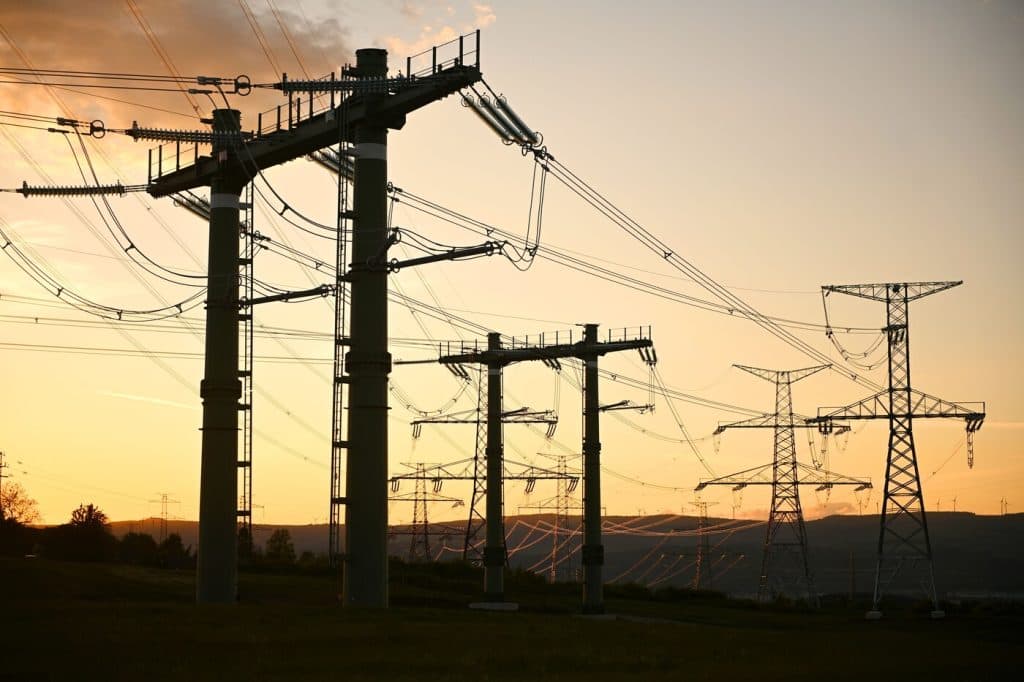
Czech businesses are facing a new economic reality. High volatility on the spot market, with electricity prices falling towards zero or into negative territory during the daytime solar peak before surging sharply during early-evening peaks, poses a fundamental question for companies: How can they secure predictable energy costs and remain competitive in such an environment?
Until now, companies have relied primarily on buying cheaper hardware. While the long-term decline in battery pack prices—down 93% since 2010 to as low as 108 dollars per kilowatt-hour, according to BloombergNEF analysis—has dramatically reduced investment costs (CAPEX), cheaper hardware alone will not deliver cheaper energy.
The real turning point in the economics of corporate energy therefore does not lie in battery factories, but in how companies approach energy. Forward-looking businesses are shifting their focus from simply purchasing storage systems towards a comprehensive energy strategy and intelligent energy management.
From batteries to business resilience
In an era of emerging innovative tariff structures and legislative changes, such as the implementation of Lex OZE III, Czech businesses are gaining opportunities to actively provide flexibility services or share energy. However, a battery alone, without advanced control systems, remains untapped potential in this new landscape.
“Our projects clearly show how corporate thinking is changing. As recently as two years ago, customers were primarily concerned with the price of the hardware itself and the straightforward return on investment from storing photovoltaic surpluses. Today, they start with the commercial benefits—they ask how to achieve long-term financial value, stabilise operating costs and protect themselves against market fluctuations. They understand that without intelligent control and the integration of all elements into a single ecosystem, technology alone will not deliver the results they seek,” explains Patrik Pinkoš, Head of Sales for Europe at Wattstor.
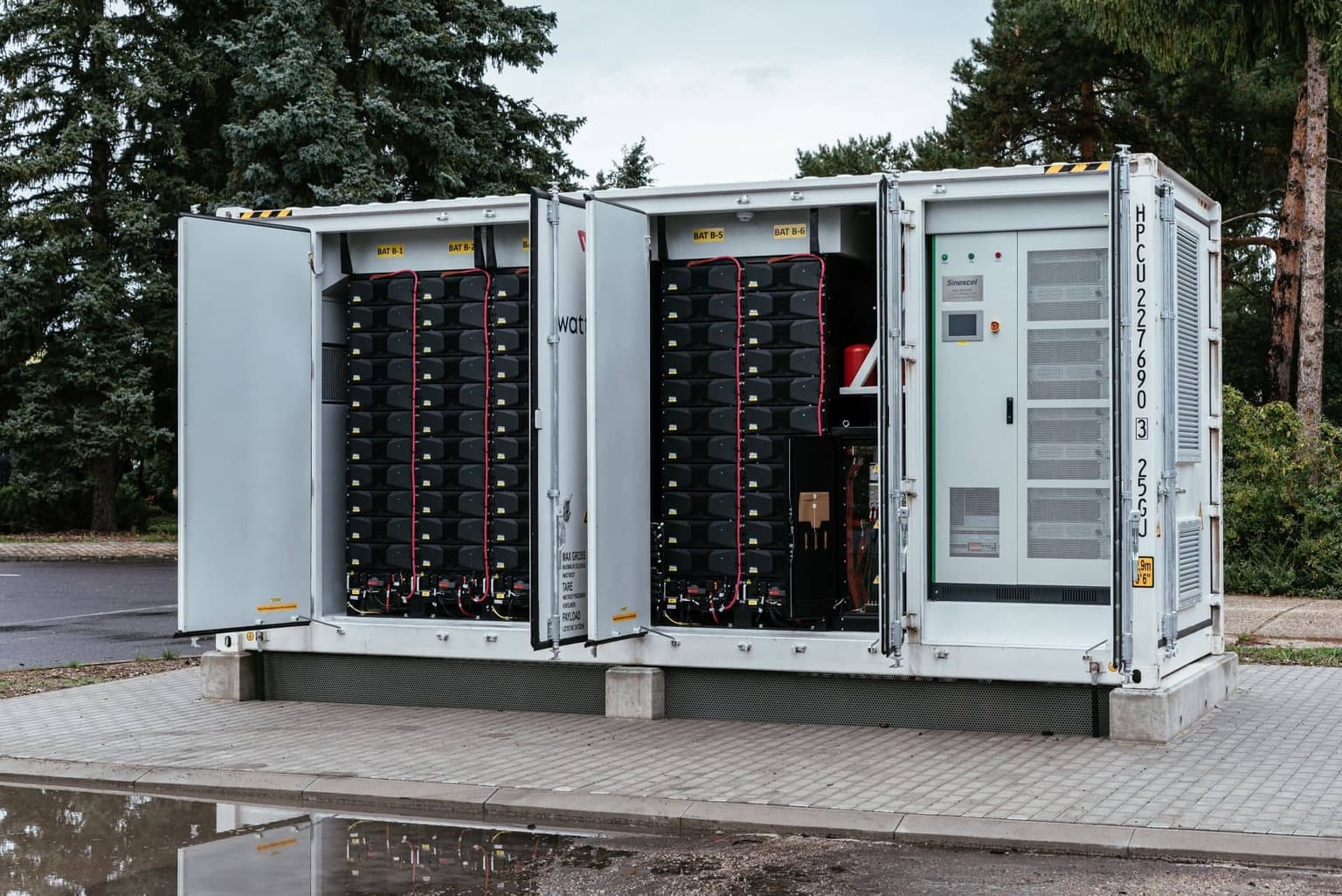
Modern corporate energy is no longer based on an isolated cycle of daytime charging from solar panels and evening discharge. Batteries now serve as one tool within a broader, comprehensive solution. The key to success is the system’s ability to respond to the spot market in real time, forecast both generation and consumption, effectively apply peak shaving to reduce distribution charges, and use modern energy tariffs. The brain of this entire energy ecosystem is Wattstor’s Podium platform, which provides intelligent energy management through advanced analytics and automated control.
Source: Wattstor
In countries with more developed markets, such as Australia, battery systems connected to smart grids already set electricity prices during evening peaks in more than one-third of cases. Although Europe and the Czech market are still slightly behind, they are inevitably heading towards this point.
A partner for the new era of energy
For domestic businesses, the conclusion is clear: when selecting a solution, the lowest price quote for battery cells alone is no longer decisive. What matters is the technological sophistication of the integration platform, commercial flexibility and the long-term support of a partner able to continuously optimise the company’s entire energy ecosystem in line with changing market conditions. The goal of a modern business is not to own a battery, but to gain full control over its consumption, reduce costs and strengthen its energy resilience.
Sdílejte článek prostřednictvím:
You might also like
3 August 2026, 10:46
2 August 2026, 17:40