9 August 2026, 14:38
top 10 energy stories from the past week
oEnergetice.cz
9 August 2026, 14:38
This article is a machine translation of the Czech original and has not yet been fully reviewed. In case of any doubt, please refer to the Czech version.
This week, we once again bring you a carefully selected list of the ten most important articles we published on oEnergetice.cz. If you missed any of them, here is a selection of the articles that attracted the most interest from our readers. Good luck in the new week!
1. China strengthens its position as a nuclear power. It has pushed France into third place and approved another 8 reactors
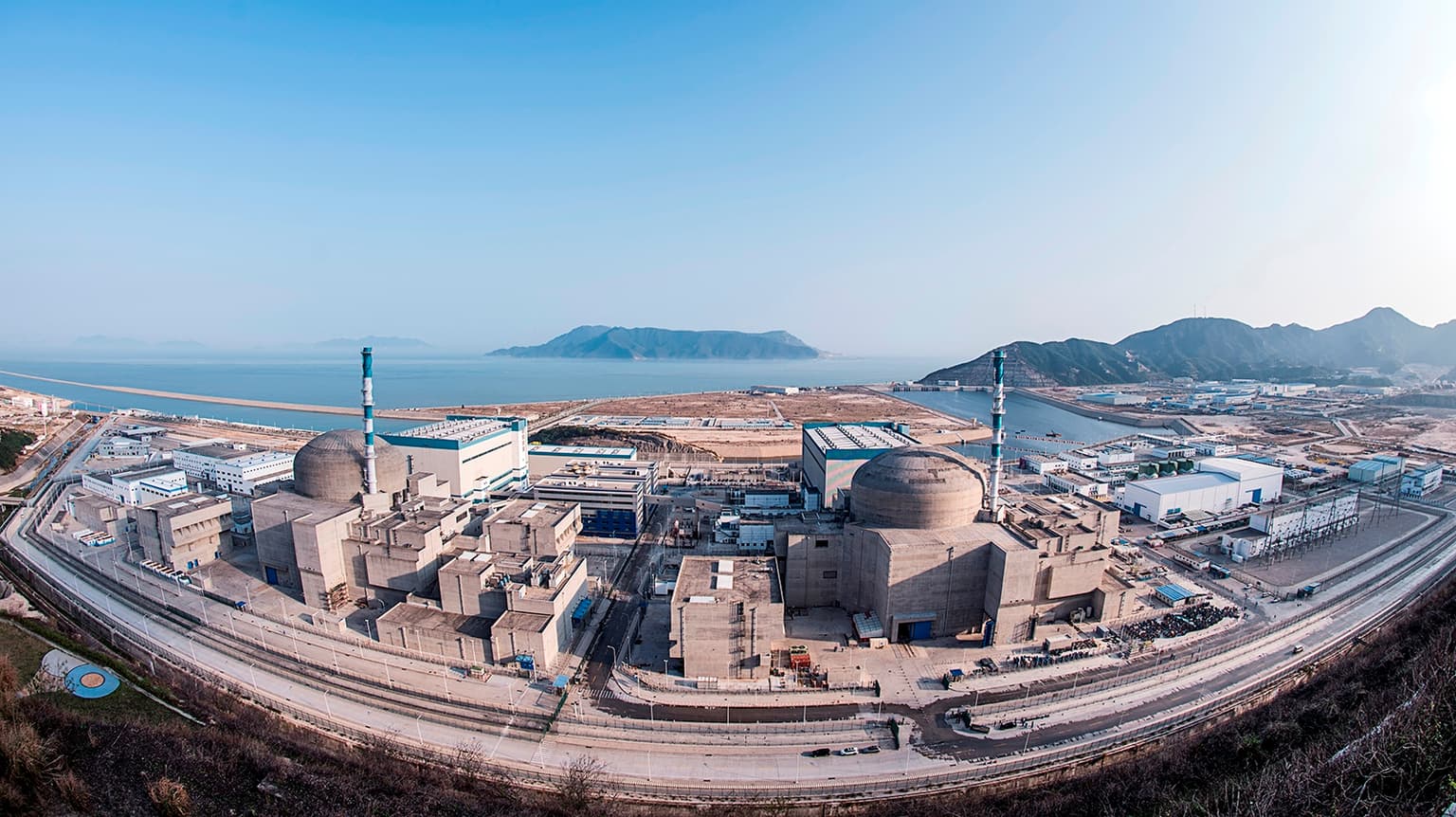
China's nuclear sector has reached another milestone. By bringing a new unit into commercial operation and connecting another unit to the grid, China has surpassed France in total installed capacity. The country has thus moved into second place worldwide, just behind the United States. The government has also approved the construction of another eight units, clearly confirming that it intends to continue its expansion in the coming years.
Two units contributed to the shift in the global ranking at the start of August. On 1 August, the third unit of the Changjiang plant in Hainan province was successfully connected to the grid. It is a 1200 MWe Hualong One pressurised water reactor, which reached first criticality on 10 July.
Read the full article HERE.
2. Romanian army redirects Danube flow as reactor is shut down due to drought
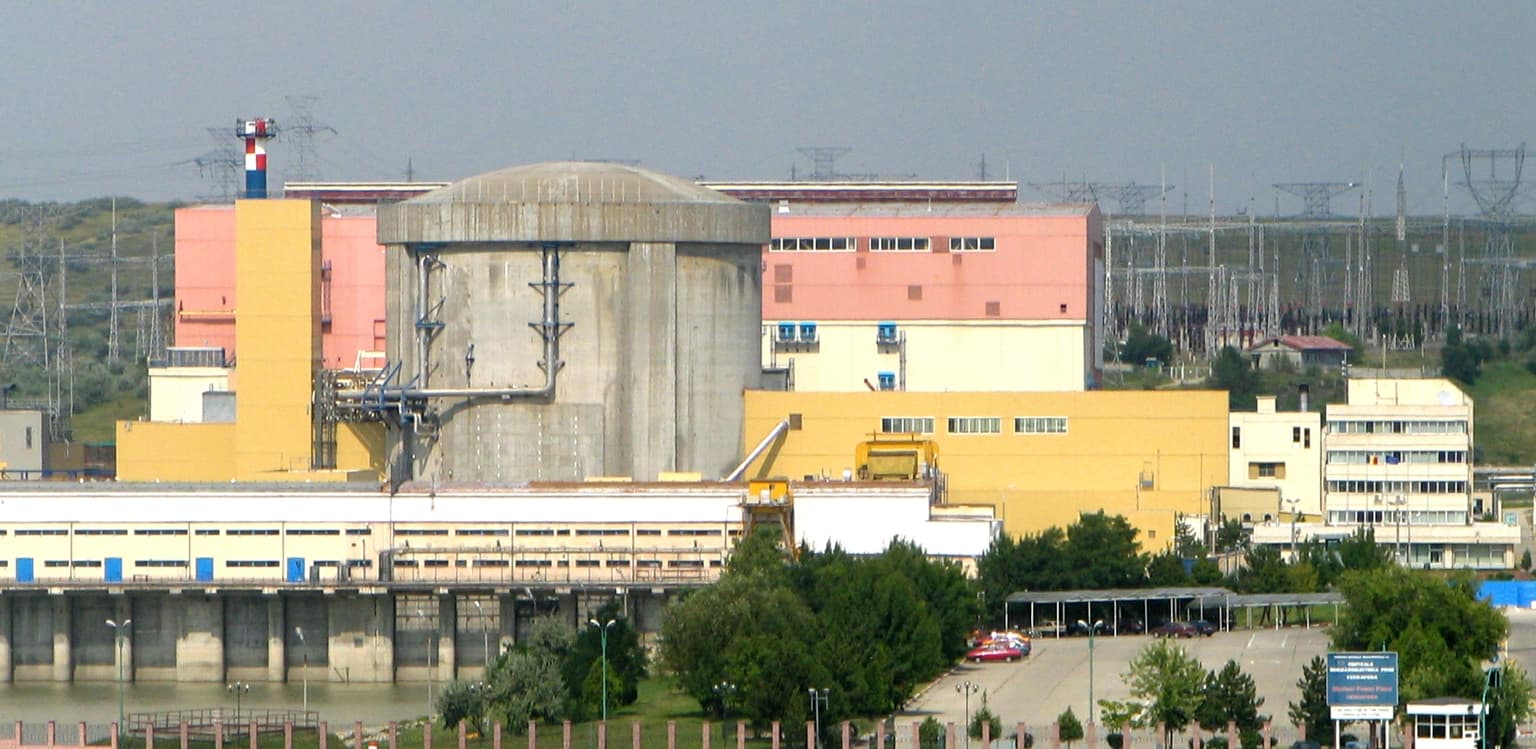
The Romanian army today used explosives to blast part of the bank of a Danube branch in an effort to direct more water to the Cernavoda nuclear power plant. The plant generates around a fifth of the country's electricity and last week shut down one of its two reactors due to the river's low water level. This was reported by Euronews.
The army used 180 kilograms of explosives in the controlled blast, five times more than on Sunday, when the detonation was unsuccessful. Residents in the surrounding area had been notified in advance, Bloomberg reported.
Read the full article HERE.
3. What happens when too many batteries saturate the market? A mature market shows an 85 % drop in revenues
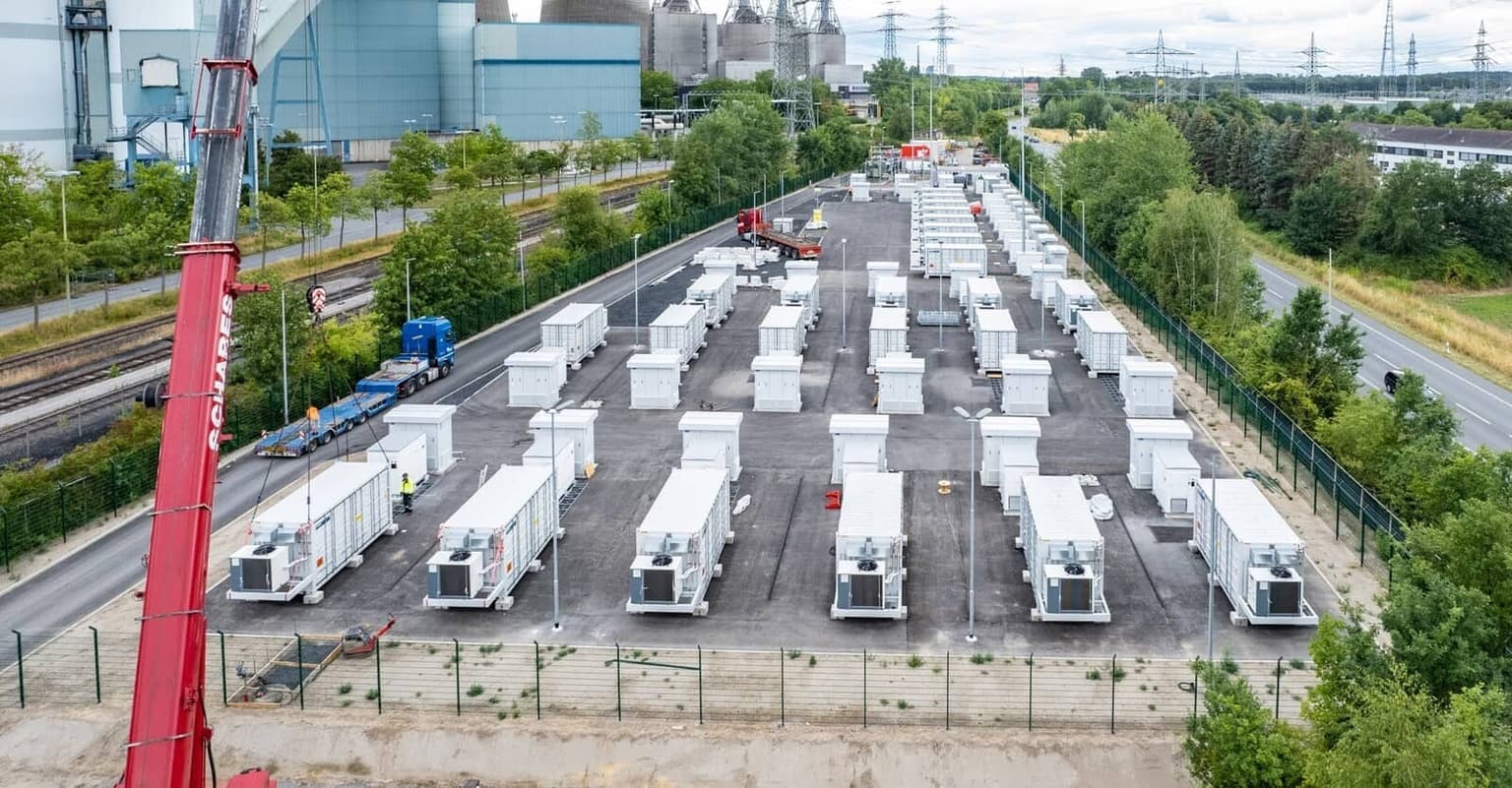
The Australian market, one of the most advanced in terms of battery storage development, shows how quickly a battery boom can transform the promising economics of storage. Large-scale battery capacity in the National Electricity Market (NEM) has already exceeded 9 000 MW, doubling year on year, while the average spread between charging and discharging prices fell year on year from 342 to just 51 Australian dollars per MWh. The decline is therefore around 85 %, according to a quarterly report by the Australian Energy Market Operator (AEMO). The operator also published detailed numerical statistics alongside the report (a download link to the statistics is at the end of the article).
The Czech Republic and Europe are on the verge of a boom in battery storage construction. A technology that for a long time recorded only minimal capacity additions is becoming mainstream. In the Czech Republic, several hundred, perhaps even one to two thousand MW of installed capacity are under construction, along with at least twice as many MWh of capacity.
Read the full article HERE.
4. Mochovce 4 completes reactor installation and heads towards start-up
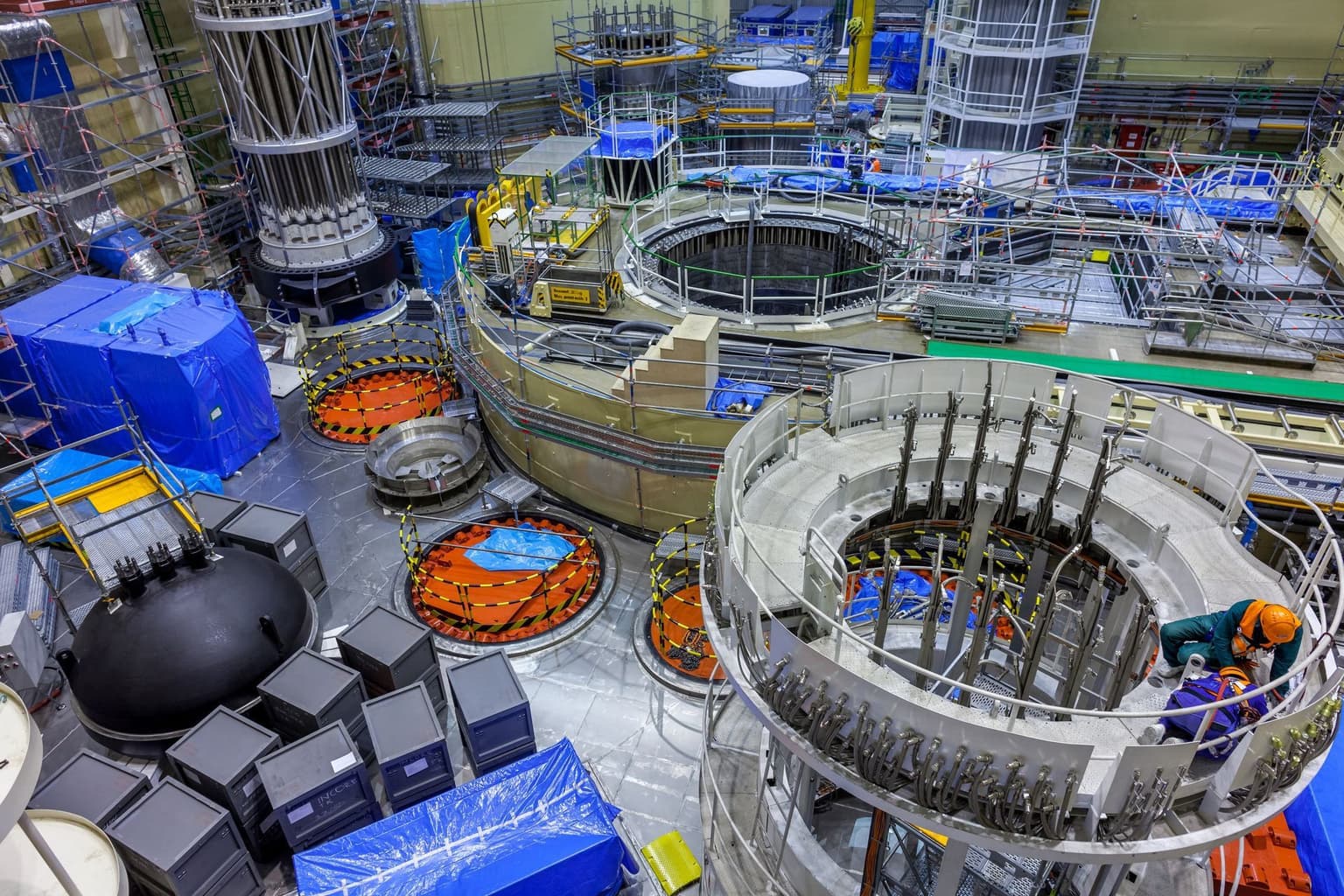
Slovakia has moved closer to completing a nuclear project worth approximately EUR 6.7 billion. According to the current schedule, the fourth Mochovce unit is to deliver its first electricity to the grid in late summer 2026.
Slovenské elektrárne has completed the installation and hermetic sealing of the reactor at the fourth unit of the Mochovce nuclear power plant. After loading all 349 fuel assemblies, technicians installed and connected process equipment, closed the reactor vessel and carried out inspections which, according to the operator, confirmed that the primary circuit is ready for the next phase of commissioning.
Read the full article HERE.
5. Dried-up Danube takes more than 3 GW of nuclear capacity from Central Europe. Drought is becoming a risk for the market and security of supply
Record-low water levels on the Danube have shut down Hungary's Paks plant and Romania's Cernavoda plant — more than three gigawatts of cheap, reliable baseload capacity combined, at the peak of a heatwave. The governments of both countries have urged industry to reduce consumption and are preparing emergency measures. For the interconnected Central European market, this could mean more expensive imports, greater electricity price volatility and further evidence that extreme weather is becoming one of the main risks to security of supply.
Hungary's Paks plant, with four reactors and installed capacity of around 2 000 MW, normally covers approximately 45 to 50 % of Hungarian electricity generation. Due to the Danube falling to a historic low, it had to gradually reduce output before proceeding to a full shutdown — for the first time in 44 years of operation. In neighbouring Romania, the country's only nuclear power plant, Cernavodă, shut down first one unit and, after a further decline in water levels, the second as well. The two reactors provide approximately a fifth of Romania's electricity generation.
Read the full article HERE.
6. EU LNG imports fall for the fourth month in a row. Down nearly 40 % from their peak
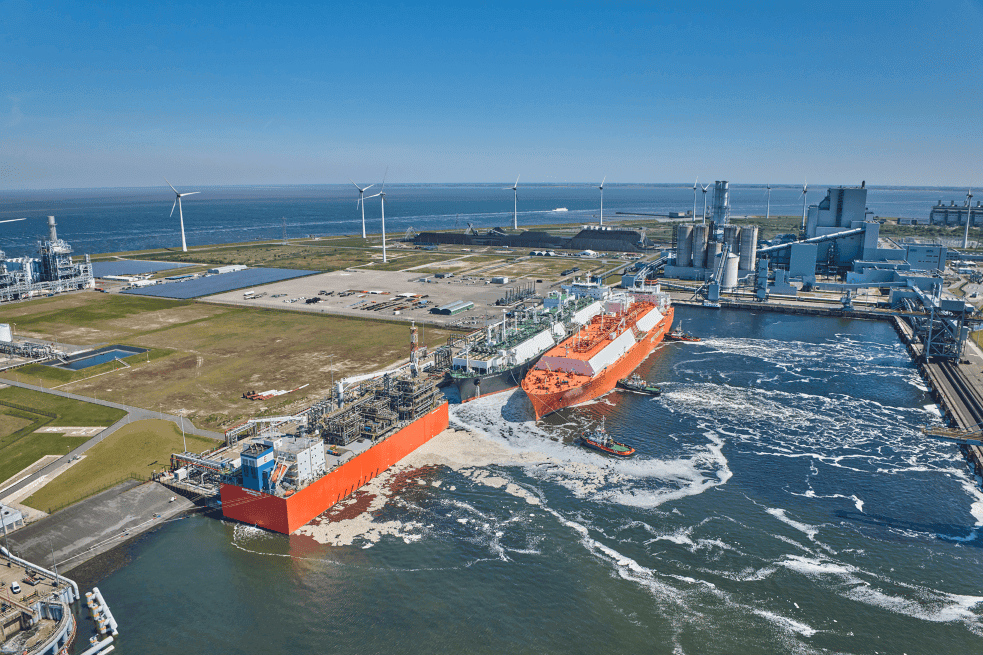
Imports of liquefied natural gas (LNG) to Europe are visibly weakening after a strong start to the year. Data show four consecutive months of declines, with import volumes almost two-fifths lower than their March peak. The trend comes amid constrained supplies through the Strait of Hormuz, slow storage filling and the EU's gradual ban on Russian LNG.
According to available data, European LNG imports reached 142,1 TWh in March, but subsequently fell to 130,4 TWh in April, 120,4 TWh in May, 105 TWh in June and 87,1 TWh in July. This represents a decline of almost 40 % between March and July. The July figure was also one-third lower than the 131,5 TWh recorded in January.
Read the full article HERE.
7. Renewables now cover more than a quarter of energy consumption in the EU, while their share in electricity rises to 50 %
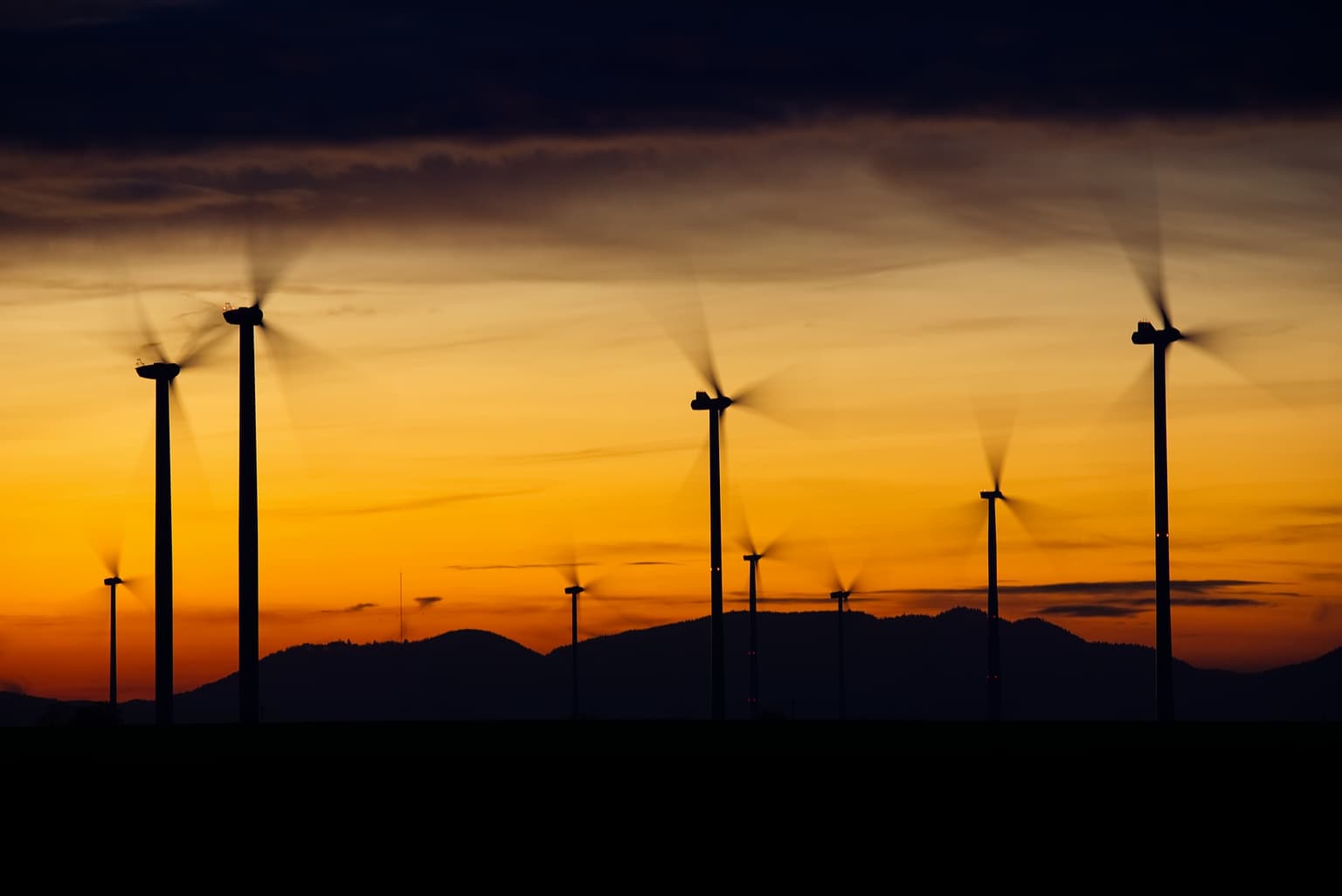
The share of renewable energy sources in gross final energy consumption in the European Union rose by one percentage point (p.p.) between 2024 and 2025 to 26,2 %. Since this indicator began to be monitored in 2004, it has almost tripled. However, achieving the 2030 target of 42,5 % would require average annual growth of 3,3 p.p. in the coming years. This follows from data published by EU statistical office Eurostat.
The countries with the highest share of renewables in gross final energy consumption traditionally include the Nordic countries, led by Sweden, which last year recorded a share of more than 65 %, particularly thanks to solid biomass, hydropower and wind power. Finland was the only other country above 50 %, while Denmark remained just below this threshold at 48,2 %.
Read the full article HERE.
8. Solar power in Britain breaks records: its share of generation rises by half year on year
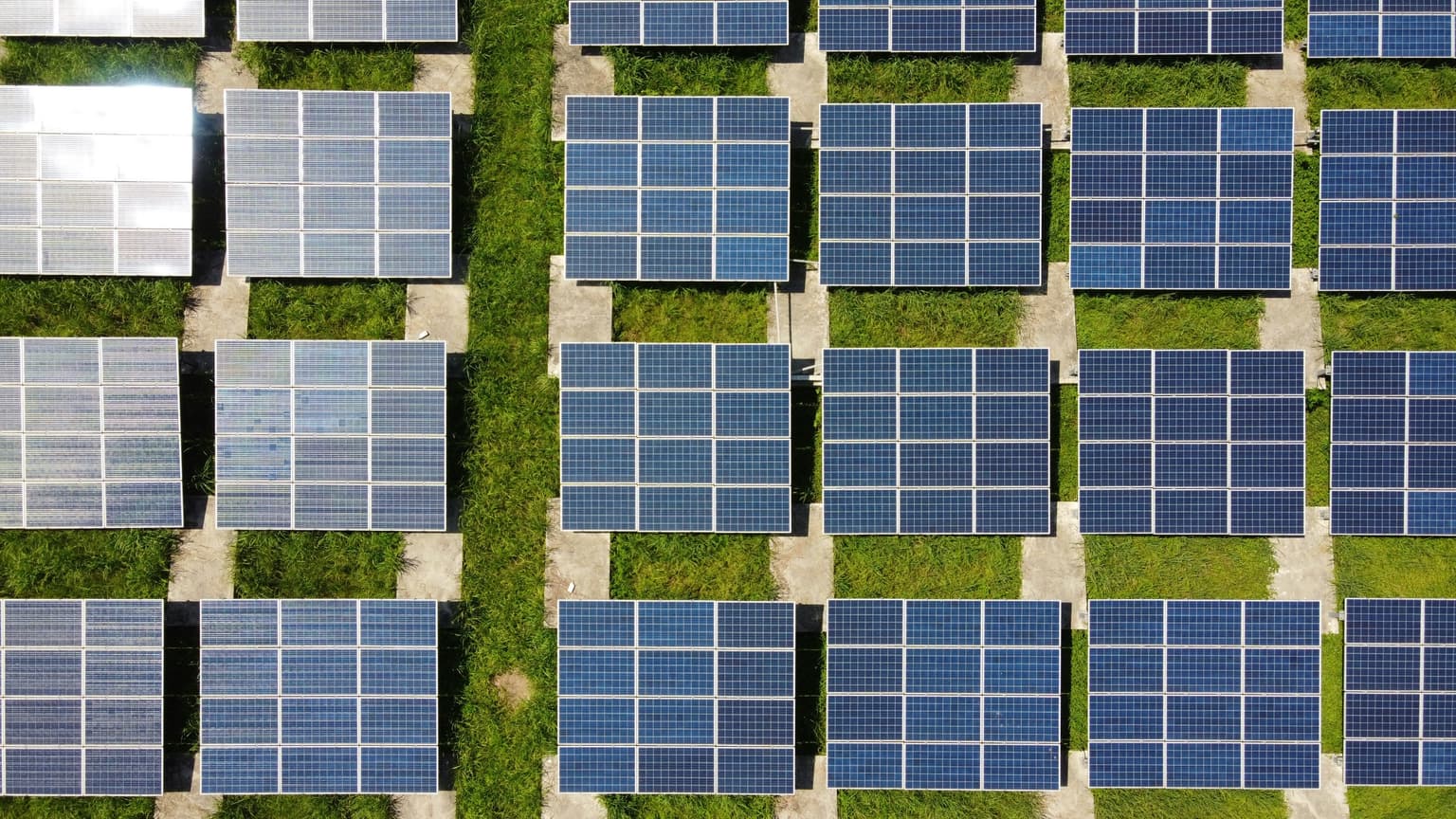
Electricity generation from solar sources reached a new milestone in the United Kingdom in July. The trend underlines the UK's ambition to expand renewable energy sources and reduce its dependence on fossil fuels.
According to Solar Energy UK, citing data from the National Energy System Operator (NESO), solar power accounted for 14,4 % of electricity generation in the United Kingdom in July. This was reported by RenewablesNow. This surpassed the previous monthly record of 12,4 % set in May and marked a significant increase from the 9,6 % recorded in July 2025.
Read the full article HERE.
9. World's first deep geological repository: Finnish nuclear regulator recommends operating licence for Onkalo
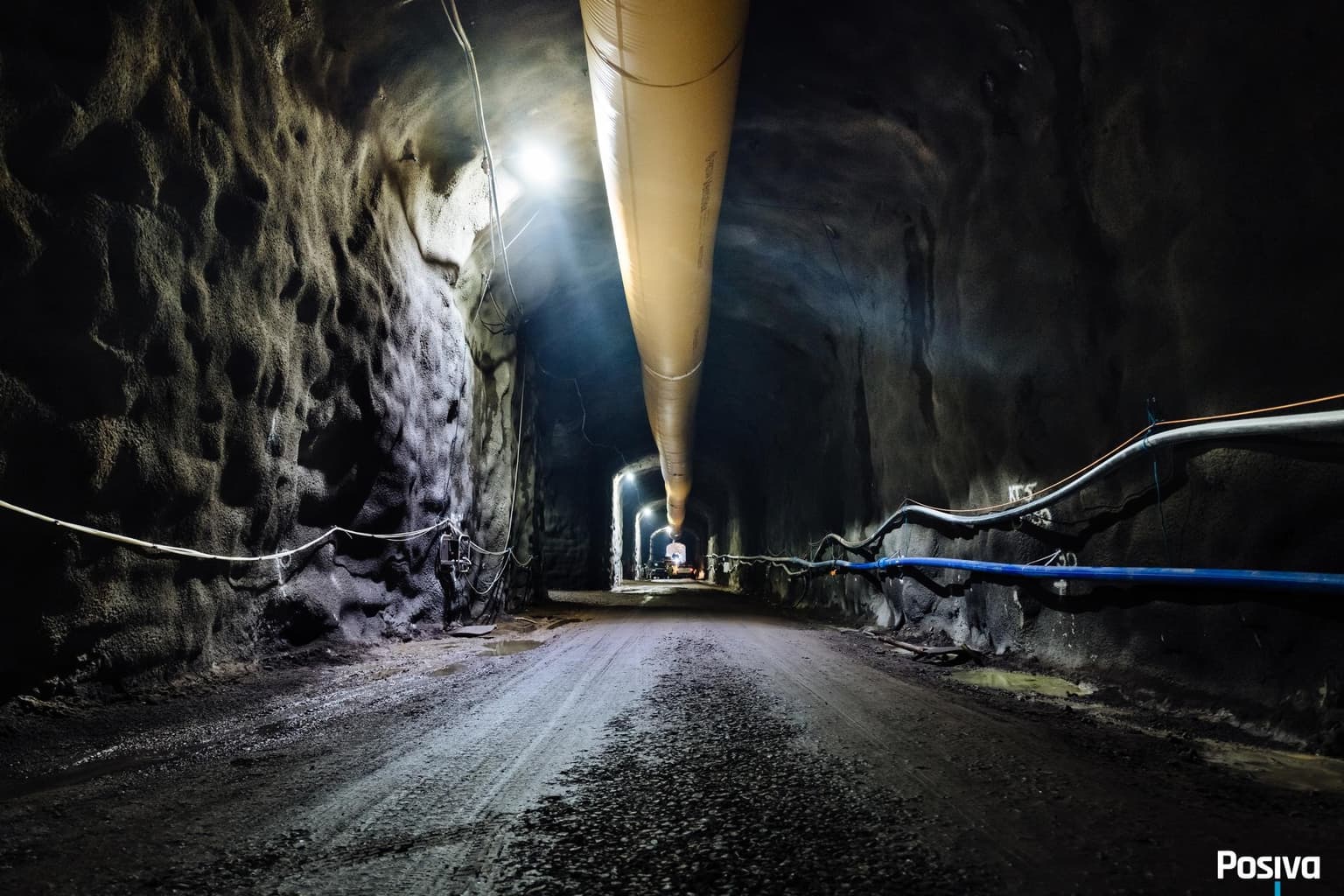
Finland's Radiation and Nuclear Safety Authority (STUK) has taken an important step towards resolving the long-term disposal of spent nuclear fuel. In its assessment, it recommended that the Finnish ministry issue an operating licence for the Onkalo deep geological repository at Eurajoki near the Olkiluoto plant, along with its associated encapsulation facility. The Finnish regulator concluded that the concept developed by Posiva meets all legal requirements and is fully safe in terms of environmental and public protection.
The Finnish government has the final say on granting the operating licence, which is expected to remain valid until the end of 2070. With this step, Posiva, a joint venture of energy companies TVO and Fortum, gains a path towards the start of commercial operation at the world's first permanent nuclear waste repository.
Read the full article HERE.
10. Europe has record-low gas inventories, market fears a price shock
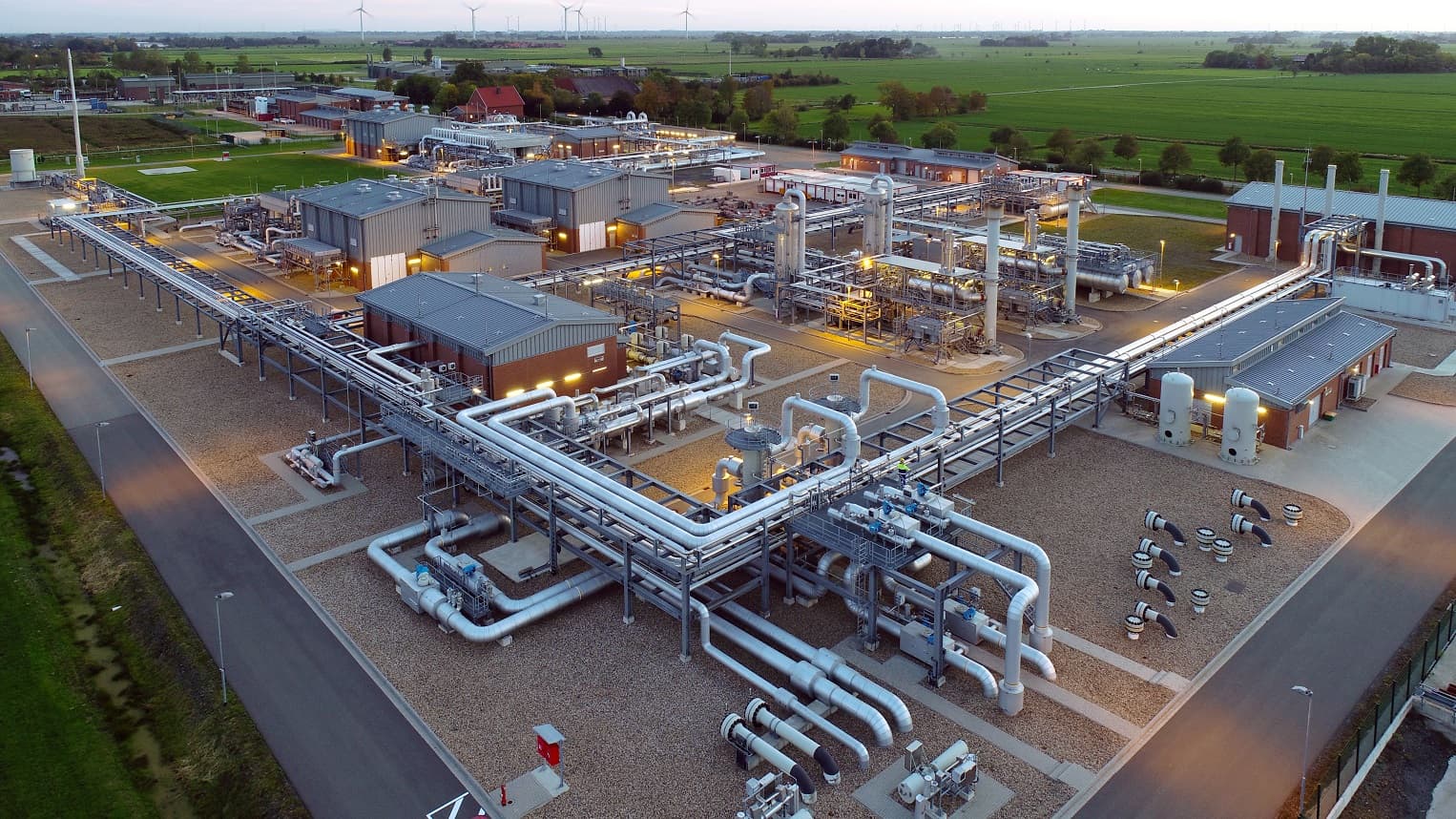
Natural gas inventories in the European Union are at a record low for this time of year. Storage facilities are less than 58 % full, the lowest level since statistics began in 2011 and 12 percentage points lower than a year ago. This follows from data from Gas Infrastructure Europe (GIE). The US-Israeli war against Iran has constrained global liquefied natural gas (LNG) supplies, raising the prospect of a substantial increase in gas prices during the winter, Reuters reported today.
The current situation has revived memories of the 2022 energy crisis, which raised prices and reduced industrial profits. Compared with 2022, the EU now consumes less gas and obtains a larger share of its energy from renewable sources. However, after curbing imports of Russian gas, it has become more reliant on LNG from the global market, making it more vulnerable to supply disruptions. If storage facilities cannot be filled sufficiently before winter, when demand is higher, the EU may be forced to buy gas at significantly higher prices.
Read the full article HERE.
Energostat: electricity generation in the Czech Republic
Energostat: electricity generation in Germany
More current charts and data can be found on Energostat
Sdílejte článek prostřednictvím:
Topics:Energy Weekly
You might also like
6 August 2026, 13:12